5 Common AC Maintenance Myths in Houston That Could Cost You Thousands
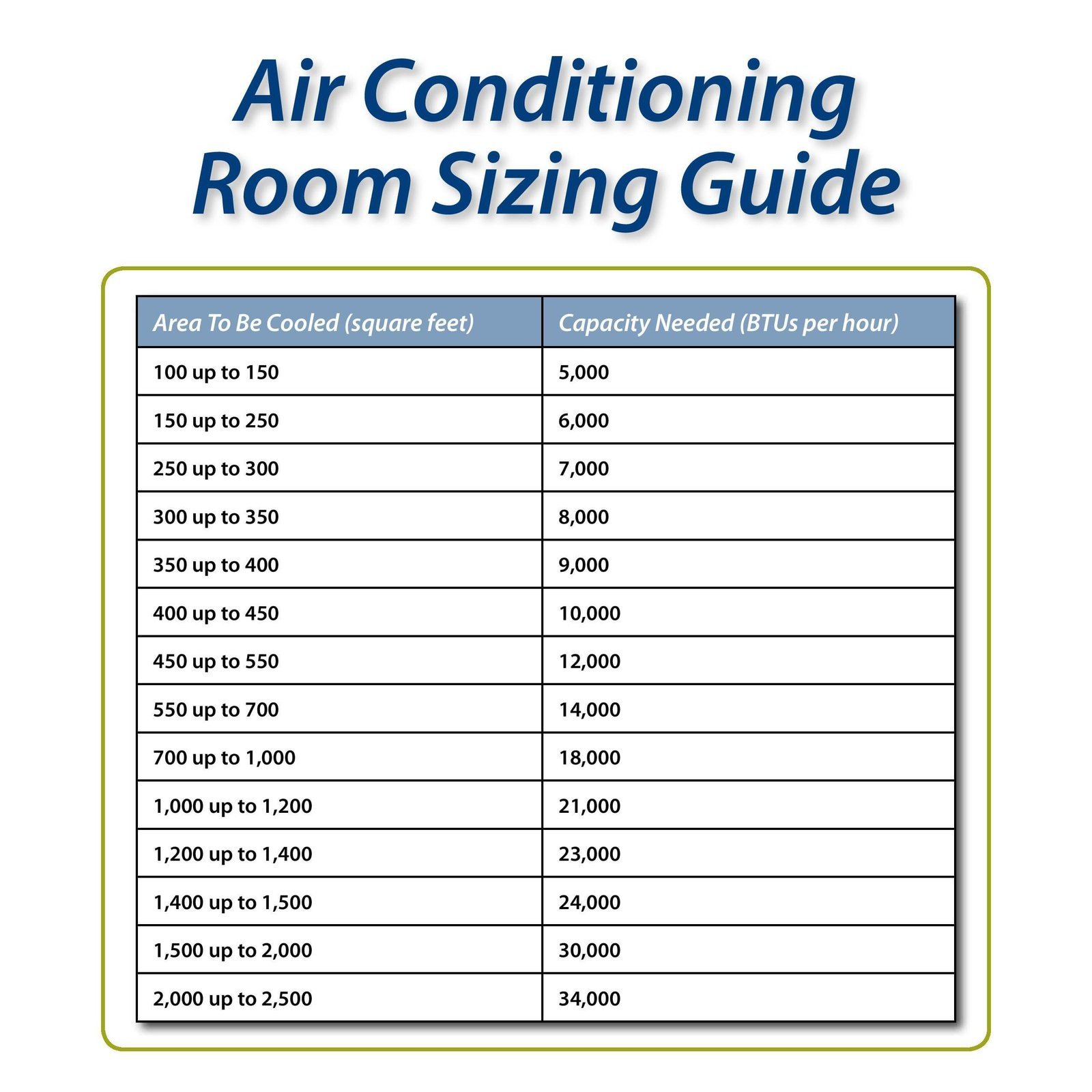
When your AC system battles Houston’s sweltering heat and crushing humidity, believing the wrong maintenance advice could leave you sweating through a system breakdown—and facing repair bills that drain your savings. Every summer, we see homeowners fall victim to widespread misconceptions that turn minor issues into major emergencies. At 75 Degree AC, we’ve serviced thousands of Houston homes since 2016, and we’re here to separate fact from fiction when it comes to keeping your cooling system running efficiently. Myth #1: “Bigger AC Units Always Cool Better” This dangerous misconception leads countless Houston homeowners to waste money on oversized systems that actually perform worse than properly sized units. An oversized AC unit creates what HVAC professionals call “short cycling”—the system cools your home too quickly without removing humidity, then shuts off before completing a full cycle. The result? A clammy, uncomfortable home with uneven temperatures and sky-high energy bills. According to Energy Star, an improperly sized AC unit can increase energy consumption by up to 30% while failing to maintain consistent comfort levels. In Houston’s humid climate, this problem becomes even more pronounced because dehumidification requires longer run times. The Right Way to Size Your AC Professional load calculations consider multiple factors specific to your Houston home: Square footage and ceiling height Window placement and sun exposure Insulation quality and air leakage rates Number of occupants and heat-generating appliances Local climate data including humidity levels When our certified technicians perform a professional AC installation in Houston, we use Manual J calculations—the industry standard for determining the exact cooling capacity your home needs. This ensures optimal performance, energy efficiency, and longevity. Myth #2: “Closing Vents in Unused Rooms Saves Money” This seemingly logical idea actually backfires in modern HVAC systems. Your AC unit is designed to move a specific volume of air, and closing vents creates pressure imbalances that force your system to work harder, not smarter. Dr. John Proctor, a leading building scientist and president of Proctor Engineering Group, explains: “Closing registers increases duct leakage and reduces system efficiency. In our studies, we’ve found that closing vents can actually increase energy use by 10-15% while potentially damaging the system.” What Really Happens When You Close Vents Closing vents creates a domino effect of problems throughout your HVAC system: First, increased static pressure in your ductwork forces air through gaps and seams, wasting cooled air in unconditioned spaces like your attic. Second, your blower motor works harder against the increased resistance, wearing out components faster and consuming more electricity. Third, reduced airflow across the evaporator coil can cause it to freeze, leading to water damage and compressor failure. Instead of closing vents, consider these energy-saving alternatives: install a programmable or smart thermostat to adjust temperatures based on occupancy, improve insulation in rarely used rooms, or consult with our thermostat installation experts in Houston about zoning systems that provide genuine room-by-room control. Myth #3: “AC Maintenance is Only Needed When Something Breaks” This reactive approach costs Houston homeowners thousands of dollars in preventable repairs and shortened equipment lifespan. The Department of Energy reports that neglected AC systems lose approximately 5% of their efficiency each year without proper maintenance—in Houston’s demanding climate, that degradation happens even faster. The Hidden Costs of Skipping Maintenance Consider these sobering statistics from the Air Conditioning Contractors of America (ACCA): 75% of AC service calls during summer are due to lack of maintenance Dirty coils alone can increase energy consumption by 30% Clogged filters reduce airflow by up to 15%, straining every component Regular maintenance extends system life by 40% on average Well-maintained systems have 95% fewer breakdowns than neglected units Our comprehensive AC maintenance service in Houston includes 21-point inspections that catch minor issues before they become major failures. During Houston’s peak cooling season, when repair technicians are booked solid and emergency rates apply, prevention truly becomes your best investment. Real-World Example: The $4,000 Lesson Last summer, we responded to an emergency call in Memorial area where a family’s AC failed during a 102°F heat wave. The culprit? A $20 capacitor that had been showing signs of wear for months. Because they skipped annual maintenance, that minor part failure cascaded into compressor damage, requiring a complete AC replacement—turning a simple repair into a $4,000 expense plus three days without cooling. Myth #4: “Changing Filters Once a Year is Sufficient” In Houston’s dusty, pollen-heavy environment, this myth doesn’t just reduce efficiency—it actively damages your system. The combination of construction dust, seasonal allergens, and high humidity creates a perfect storm for filter clogging that happens much faster than in other climates. Houston’s Unique Air Quality Challenges According to the Houston Health Department, our city faces particular air quality challenges that affect filter life: Contaminant Peak Season Impact on Filters Tree Pollen February – May Rapid clogging, yellow buildup Grass Pollen March – October Fine particles penetrate deeply Mold Spores Year-round (humidity) Creates biofilm, reduces airflow Construction Dust Year-round Heavy particle load, quick saturation Mike Holmes, a veteran HVAC technician with 20 years of Houston experience, notes: “I’ve pulled filters from Houston homes that looked like carpet samples after just 30 days. In our climate, checking filters monthly isn’t excessive—it’s essential.” The Right Filter Schedule for Houston Homes Your filter replacement frequency depends on several factors specific to your household: Basic fiberglass filters: Replace every 30 days Pleated filters: Replace every 60-90 days Homes with pets: Reduce intervals by 30% Allergy sufferers: Consider monthly replacement regardless of type New construction areas: Check weekly, replace as needed Our indoor air quality specialists can recommend the optimal filter type and replacement schedule for your specific situation, ensuring both system protection and healthy air. Myth #5: “Turning the AC Off When You Leave Saves the Most Energy” While this seems intuitive, completely shutting off your AC during Houston’s brutal summer days creates more problems than it solves. When outdoor temperatures soar above 95°F, your home becomes a heat sink, absorbing thermal energy that takes hours—and significant energy—to remove. The Science Behind Temperature Management Research from the Lawrence Berkeley National Laboratory shows that in hot, humid climates