
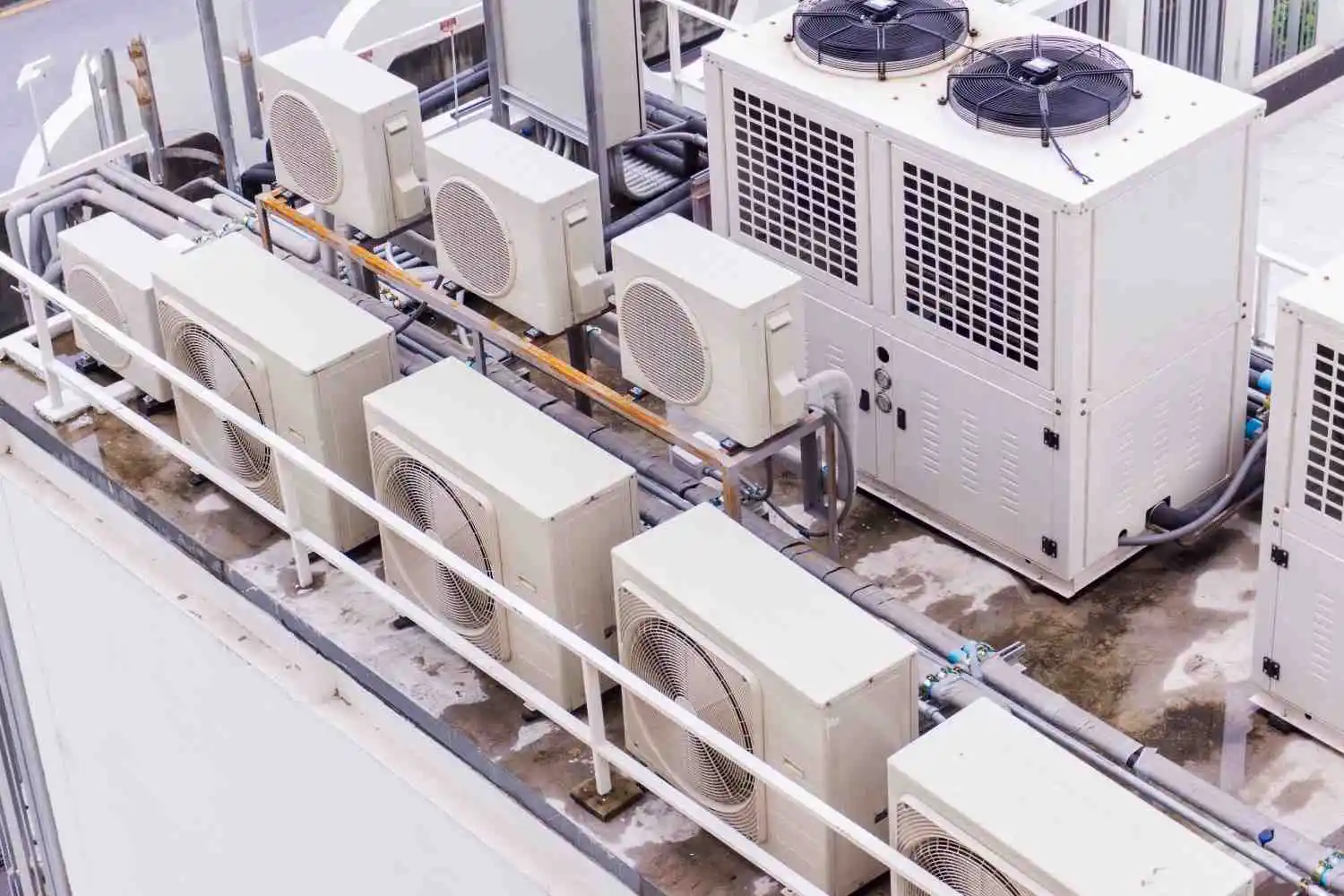
Indoor air quality has become a priority for residents seeking healthier living environments, particularly in urban settings where external pollutants pose ongoing challenges. Understanding the role air purifiers play within modern HVAC systems helps homeowners make smarter decisions about comfort and health, not just temperature control.
75 Degree AC works with Midtown residents every week who ask the same core question: does my air conditioner already clean the air, or do I need something more? The honest answer is layered, and it starts with understanding what your AC actually does and doesn’t do for the air you breathe. It actively works to remove dust, allergens, and airborne contaminants while your system runs.
Does an AC Purify Air?
This is the single most common question we get from Midtown homeowners, and it deserves a direct answer: a standard air conditioner does not purify air the way a dedicated purification system does. Your AC’s job is thermal; it cools and circulates air, and along the way, its standard filter catches larger particles like dust, lint, and hair to protect the equipment itself.
What a standard AC filter does not reliably remove includes fine particulate matter, bacteria, viruses, mold spores, and volatile organic compounds (VOCs). These pass straight through a basic 1-inch fiberglass filter. So while your AC is technically filtering some air as a byproduct of running, it isn’t purifying air in any meaningful health sense unless it’s been upgraded with true purification technology.
This distinction matters because many homeowners assume cooler air automatically means cleaner air. It doesn’t and that gap is exactly where an air purifier for AC unit setups close the loop.
When you pair proper filtration with professional HVAC Services in Midtown, Houston, TX, you build a system that does more than maintain a comfortable temperature.
Air Purifier for AC Unit vs. Air Purifier for HVAC System: What’s the Difference

These two phrases often get used interchangeably, but there’s a practical distinction worth understanding before you invest.
An air purifier for AC units typically refers to purification components added specifically within the cooling side of your system for example, UV-C lights installed near the evaporator coil to prevent mold and bacterial growth in the cool, moist environment where AC units are most vulnerable to biological buildup.
An air purifier for HVAC systems is the broader category; it covers any purification technology integrated into your full heating and cooling infrastructure, treating air regardless of whether your system is heating or cooling at the time. This includes in-duct HEPA filtration, ionization units, and whole-home UV systems mounted in the return air plenum.
For most Midtown homes, an ac air purification system that addresses the entire HVAC loop, not just the AC side, delivers more consistent results, since air quality problems don’t pause when the season changes.
Professional HVAC Contractors Midtown, TX can assess which combination best addresses your specific needs based on your health concerns and environmental factors.
How an AC Air Purification System Actually Works
An ac air purification system installs directly into your ductwork or air handler, treating every cubic foot of air that passes through your HVAC system rather than air in just one room. Four technologies do most of the work in residential setups:
HEPA filtration captures particles as small as 0.3 microns, including pollen, pet dander, and dust mites, with up to 99.97% efficiency when properly sealed.
UV-C light purification uses targeted wavelengths to neutralize bacteria, viruses, and mold spores particularly useful around the evaporator coil where Houston’s humidity creates ideal breeding conditions.
Activated carbon filtration absorbs odors, chemicals, and VOCs that pass straight through standard and even HEPA filters.
Ionization technology charges airborne particles so they clump together and become easier for filters to trap, improving overall capture rates.
Most effective systems layer two or more of these technologies rather than relying on a single method, since each addresses a different category of contaminant. If you want a closer technical breakdown of how filtration and purification stages work together step by step, our guide on how does an air purifier work walks through the full process in detail.
Why a Standard AC Filter Isn’t Enough in Midtown
Midtown Houston’s environment makes the gap between basic filtration and true purification more noticeable than in less urban areas. Vehicle emissions, construction dust, and high outdoor allergen concentrations constantly find their way indoors through doors, windows, and outdoor air intake. Houston’s humidity adds another layer of risk, creating favorable conditions for mold and bacteria inside ductwork and around cooling coils if biological contaminants aren’t actively addressed.
A standard 1-inch filter, even when changed on schedule, was never engineered to handle this load. It protects your equipment, not your lungs. This is the practical reason an air purifier for HVAC system upgrade matters more in dense urban settings than it might in a rural home with cleaner outdoor air.
Health Benefits Worth Knowing
The case for purification goes beyond comfort. Removing allergens reduces symptoms for sensitive individuals and can improve sleep quality. Neutralizing airborne bacteria and viruses matters most for households with young children, elderly residents, or anyone immunocompromised. People with asthma frequently report measurable symptom improvement after consistent exposure to purified air. Even healthy adults benefit from reduced long-term exposure to fine particulates and VOCs, the kind of cumulative health investment that’s hard to measure day to day but adds up over years.
Maintenance Requirements for Integrated Systems
An ac air purification system only works as well as its maintenance schedule. Filter replacement frequency depends on the technology and usage: standard filters every 1-3 months, HEPA filters every 6-12 months, and UV-C bulbs typically need replacement annually since their germicidal output degrades well before they visibly fail. Saturated filters don’t just stop purifying; they can become a contamination source themselves, releasing trapped particles back into circulation.
The advantage of an integrated system is that this maintenance folds into your regular HVAC Inspection visits rather than requiring a separate service relationship. Pairing your AC purification upgrade with our broader Air Quality & Systems services including duct cleaning, HEPA filtration, and indoor air quality testing ensures nothing gets overlooked between visits.
Professional Installation vs. DIY
Adding purification technology to an existing HVAC system isn’t a plug-and-play upgrade in most cases. Your ductwork configuration, system capacity, and existing airflow all influence which purification approach will actually work and improper installation risks compromising both purification performance and your system’s cooling or heating capacity. 75 Degree AC evaluates your specific setup, health priorities, and budget before recommending a solution, so you’re not paying for technology that’s mismatched to your home.
Conclusion
Air purifiers have moved from optional accessories to essential components of a well-designed HVAC system, especially in urban environments like Midtown Houston. Understanding the role air purifiers play within modern HVAC systems comes down to one core fact: your AC alone isn’t built to purify air, but the right air purifier for your AC unit or full HVAC system closes that gap effectively. From HEPA filtration to UV-C purification, these technologies deliver measurable health benefits that justify the investment for health-conscious residents.
FAQs
Does an AC purify air on its own?
No. A standard AC filter catches larger particles to protect equipment, but it doesn’t remove fine particulates, bacteria, viruses, or VOCs. True purification requires added technology like HEPA filtration or UV-C light.
What’s the best air purifier for an AC unit in Houston’s climate?
UV-C purification near the evaporator coil is particularly effective in Houston due to high humidity promoting mold and bacteria growth. Pairing it with HEPA filtration in the main ductwork addresses both biological and particulate contaminants.
Will adding an ac air purification system increase my energy bills?
A properly sized and professionally installed system typically has minimal impact on energy use and can even improve efficiency by keeping system components cleaner. Poorly matched units can restrict airflow and increase energy consumption.
Can I install an air purifier for my HVAC system myself?
Portable, room-based purifiers can be self-installed. Whole-home systems that integrate into ductwork require professional installation to avoid airflow restriction, improper sealing, or compatibility issues with your existing equipment.
How much does a professional air purification system cost?
Costs vary based on technology type and home size, generally ranging from several hundred to a few thousand dollars.