
Houston summers don’t just bring heat; they deliver relentless, oppressive temperatures that can push your air conditioning system to its absolute limits. Knowing how to prepare your HVAC system before the season hits is the difference between a smooth summer and an expensive emergency repair. When the thermometer climbs above 95 degrees and stays there for weeks, your HVAC system becomes more than a comfort device; it’s a necessity for health and safety.
This guide walks you through exactly how to prepare your HVAC system step-by-step, covering everything from professional inspections to building your own HVAC heatwave checklist, so you’re never caught off guard when temperatures spike.
Why Houston Heat Is Different
Houston doesn’t just get hot it gets humid-hot. The combination of high temperatures and crushing humidity creates a heat index that feels significantly worse than the thermometer reading, forcing your AC to do double duty: cooling the air and pulling moisture out of it.
Add in coastal salt air that accelerates corrosion on outdoor units, sudden afternoon thunderstorms that stress the system with temperature swings, and urban heat island effects that push temperatures 5-10 degrees higher in dense neighborhoods and it’s clear why generic change your filter once a season advice doesn’t cut it here. Houston systems need Houston-specific prep.
Understanding Houston’s Extreme Heat Challenges
Understanding these local factors helps you appreciate why generic maintenance advice doesn’t cut it. Houston systems need specialized preparation, which is exactly why learning how to prepare your HVAC system properly matters more here than almost anywhere else in the country.
Step 1: Schedule a Pre-Summer Professional Inspection

The single highest-impact thing you can do is schedule a professional inspection in April or May, before the summer rush. Booking early means better appointment availability and time to fix problems before they become emergencies, the HVAC equivalent of servicing your car before a long road trip.
What a thorough inspection covers:
- Electrical connections (loose wires, corrosion, voltage/amperage checks)
- Capacitors and contactors common failure points that strain under heavy summer load
- Refrigerant pressure
- Condensate drain lines for clogs
- Lubrication of moving parts
- Safety control testing
A single visit can catch multiple developing issues before they turn into a no-cooling emergency in August.
Signs Your AC Needs Maintenance Before Summer
Before you even start your prep checklist, it helps to know the signs your AC needs maintenance. Watch for weak airflow, unusual noises, warm air from vents, rising energy bills, or short-cycling. Catching these signs early before the first heatwave hits gives technicians time to fix small issues before they become full breakdowns. If you notice any of these symptoms, schedule AC Troubleshooting Diagnosis right away.
Step 2: Replace or Clean Your Air Filters
This is the simplest task on the list and arguably the most impactful. During a Houston heatwave, your system runs almost nonstop, pulling huge volumes of air through the filter. A clogged filter restricts that airflow like trying to breathe through a straw forcing the system to work harder while cooling less effectively.
Before summer: install a fresh, properly rated filter.
During peak season: check monthly, not on the standard 3-month cycle. Homes with pets, nearby construction, or allergy sufferers may need even more frequent changes.
Filter rating tip for Houston’s climate: MERV 8-11 filters strike the best balance; they capture pollen, dust, and mold spores without restricting airflow too much. Higher-MERV filters improve air quality but can choke systems that weren’t designed for that level of resistance.
75 Degree AC can recommend filters matched to your specific system and household needs, ensuring you get optimal Air Quality without compromising cooling performance during critical heatwave periods.
Step 3: Clear Debris Around the Outdoor Unit
Your outdoor condenser needs unobstructed airflow. Leaves, grass clippings, and cottonwood seeds build up over spring and block heat transfer similar to wrapping a blanket around a radiator.
DIY steps:
- Turn off power to the unit
- Gently clear debris from the exterior fins with a soft brush or vacuum brush attachment
- Remove vegetation, mulch, or stored items within 2 feet of the unit
Clearance requirements: most manufacturers recommend at least 24 inches of clearance on all sides and 60 inches above the unit. Skip the landscaping that hides the condenser it looks nice but chokes performance during the exact weeks you need the system running at full capacity.
Deeper internal cleaning (removing the top panel, clearing debris inside) should be left to a professional technician.
Professional HVAC Repair Central, Houston services can perform deeper cleaning, including removing the top panel to clean debris from inside the unit that homeowners can’t safely access.
Step 4: Calibrate and Upgrade Your Thermostat
A miss calibrated thermostat causes short-cycling, constant running, or failure to hit your target temperature exactly when you can’t afford it. Test it now: place an accurate thermometer next to the thermostat and compare readings after 15 minutes. A gap of more than 2-3 degrees points to a calibration issue or poor placement.
Also check that the thermostat isn’t near direct sunlight, drafts, or heat-generating appliances like lamps all of which trigger false readings.
Worth considering: programmable or smart thermostats reduce cooling when nobody’s home and restore comfort automatically before you arrive, cutting energy costs during the exact months electricity rates spike. Smart models add usage reports, maintenance alerts, and remote app control.
Step 5: Check Refrigerant Levels
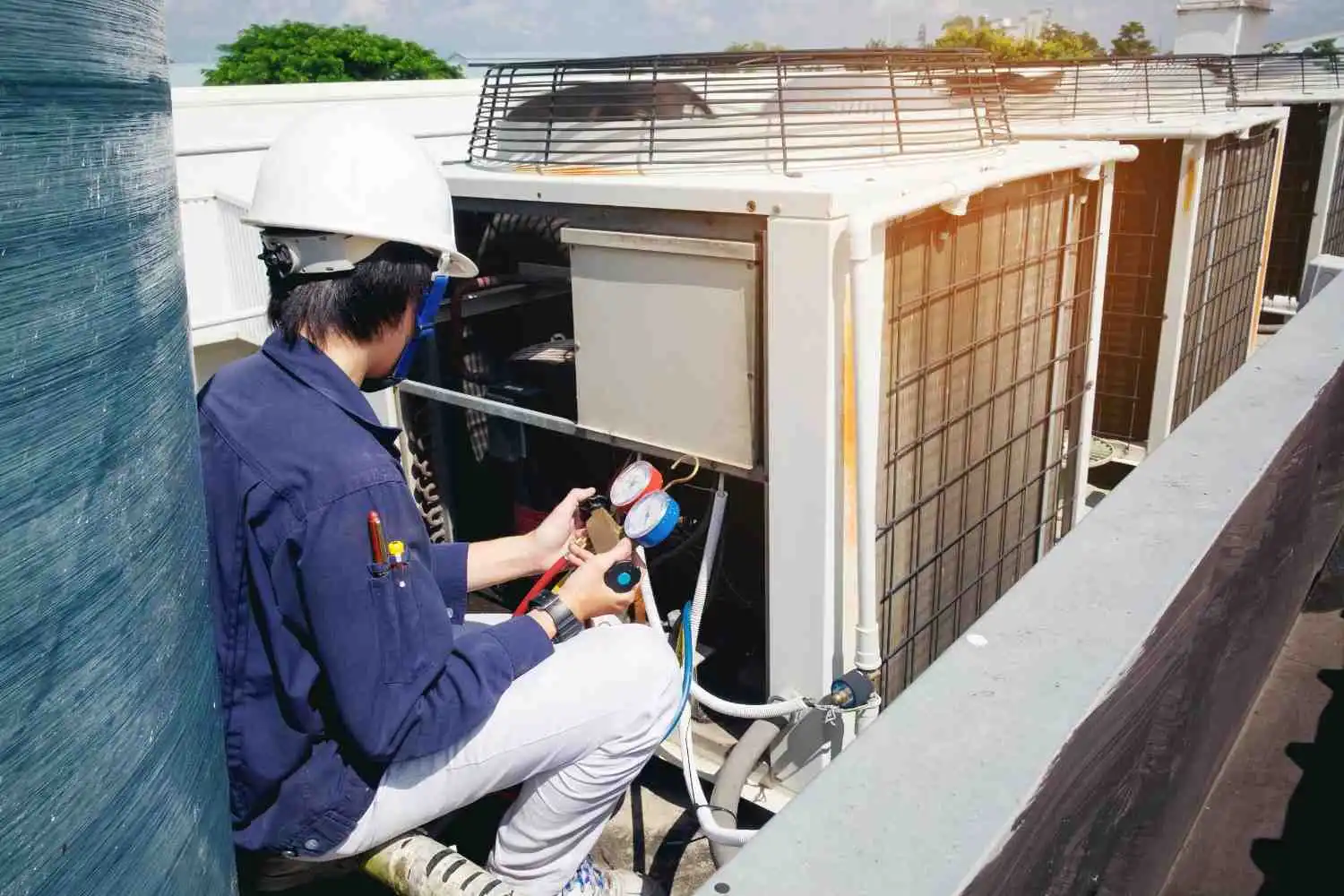
Refrigerant is what actually moves heat out of your home. Low levels almost always from a leak tank cooling capacity and drive up energy costs. This isn’t a DIY check; it requires a licensed technician with manifold gauges.
Warning signs of low refrigerant:
- Ice forming on refrigerant lines
- Warm air from vents despite the system running
- Unexplained spike in energy bills
A technician will locate and repair any leak before recharging the refrigerant otherwise the problem just comes back.
Step 6: Seal and Inspect Ductwork
Leaky ductwork wastes 20-30% of cooled air before it ever reaches your living space air that’s costing you money and delivering zero comfort. Sealing duct leaks is one of the highest-ROI HVAC investments, often paying for itself within a year or two through lower energy bills.
A professional Air Duct Repair & Replacement finds leaks at connections, damaged sections, and poorly sealed joints, then seals them with mastic sealant or metal-backed tape (never standard duct tape, it degrades quickly).
What to Do If Your AC Is Not Cooling During a Heatwave
Even with the best preparation, AC not cooling during heatwave conditions is one of the most common emergency calls we get. If your system is running but not cooling, check your thermostat settings and air filter first but if the problem persists, it’s usually refrigerant, compressor, or airflow related, and needs a professional. Don’t wait until the system fails completely; call Emergency AC Repair the moment you notice reduced cooling.
Building a Realistic HVAC Maintenance Schedule
A consistent HVAC maintenance schedule is the backbone of how to prepare your HVAC system year after year. We recommend:
- Spring (March–April): Full inspection + filter change
- Early Summer (May): Thermostat test + duct check
- Mid-Summer (July–Aug): Monthly filter checks
- Fall: System wind-down inspection before heating season
Following this schedule consistently is the single best way to avoid mid-summer breakdowns. Explore our Residential HVAC Maintenance plans for scheduled visits.
Step 7: Build an Emergency Cooling Backup Plan
Even well-prepared systems can fail during extreme heat. Have a plan ready:
- Identify the coolest interior rooms (away from windows) as a fallback space
- Keep battery-powered fans on hand
- Save emergency HVAC contact numbers
- Know your nearest community cooling center
- Consider a portable AC unit for bedrooms housing elderly family members or anyone with a health condition
- Set aside emergency repair funds summer breakdowns rarely wait for a convenient time
Conclusion
Now that you know how to prepare your HVAC system for Houston-area heatwaves, you can build your own HVAC heatwave checklist and stay ahead of the season instead of reacting to it.
From professional inspections and filter maintenance to ductwork sealing and emergency planning, each step in how to prepare your HVAC system contributes to reliable cooling when extreme heat strikes. Contact us to fully inspect your HVAC system for home and business in Houston and nearby areas.
FAQs
When should I schedule pre-summer HVAC maintenance?
April or May, before peak heat arrives this avoids the summer rush when technicians are booked solid with emergency calls.
How often should I change air filters during Houston summers?
Check monthly during peak season. Homes with pets or allergy concerns may need monthly replacement; others can stretch to every two months.
Can I clean my outdoor AC unit myself?
You can clear external debris and trim nearby vegetation, but internal cleaning should go to a professional. Always cut power first and avoid bending the fins.
What’s a good HVAC heatwave checklist to follow before summer?
A solid HVAC heatwave checklist includes a professional inspection, filter replacement, outdoor unit cleaning, thermostat calibration, refrigerant check, duct sealing, and an emergency backup plan covering each step of how to prepare your HVAC system before peak heat arrives.
How often should I follow an HVAC maintenance schedule in Houston?
At minimum, twice a year once before summer and once before winter. A consistent HVAC maintenance schedule prevents most of the emergency breakdowns we see during heatwaves.