
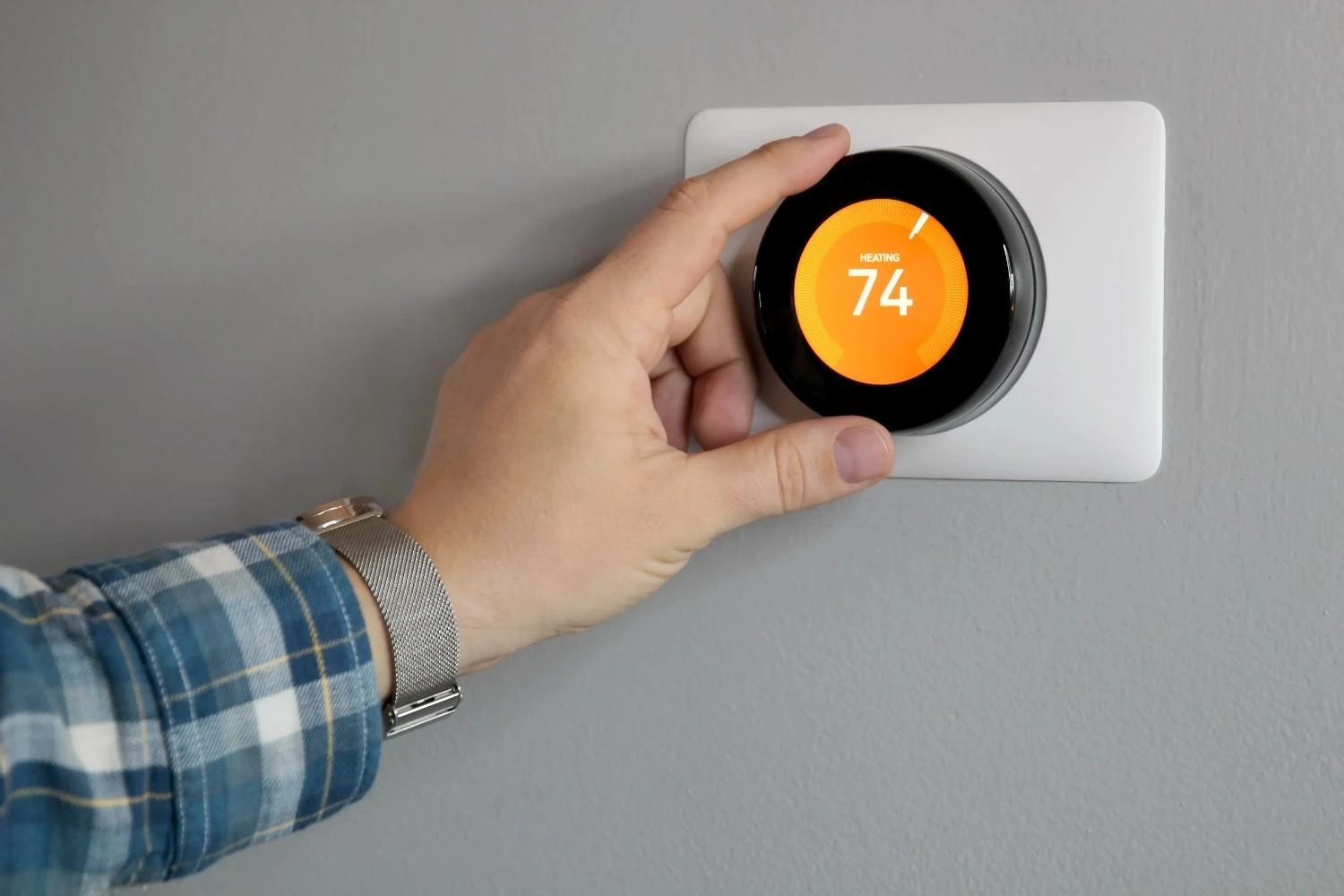
No, a Nest thermostat doesn’t replace your furnace, air handler, or AC unit; rather it replaces the control device that tells them when to come on. Can Nest thermostat replace heating and air conditioning? Houston homeowners often ask us how a smart thermostat like Nest works when they see one at their friend’s home or read about its energy savings online.
Simply put, smart thermostats replace only the brain of their system, not its muscles! Your furnace still burns gas or runs electric heat strips while condensers still compress refrigerant; Nest simply determines when those parts kick on or off something older thermostats couldn’t ever accomplish effectively enough.
What a Nest Thermostat Actually Controls
Think of your HVAC system like a body. The furnace, air handler, and outdoor condenser are the muscles doing the physical work of heating or cooling your air. The thermostat is the brain sending signals about when to flex those muscles. A Nest doesn’t add horsepower, tonnage, or BTU output. It just manages timing, temperature targets, and scheduling with more precision than a mechanical dial.
Can nest thermostat replace heating and air conditioning communicates through low-voltage wiring, usually 24 volts, connected to labeled terminals: R for power, W for heat, Y for cooling, G for the fan, and O or B for heat pump reversing valves. When you set 72 degrees on the app, the thermostat sends a signal down those wires.
Your furnace’s control board reads that signal and fires the burners. Your AC’s compressor reads a different signal and starts cooling. The thermostat never touches the actual heating or cooling process. It just tells the equipment when to start and stop.
This matters because homeowners sometimes expect a smart thermostat to fix airflow problems, humidity issues, or a system that’s undersized for their square footage. It won’t. If your compatible nest thermostat is wired correctly and your system is still struggling to keep up on a 98-degree Houston afternoon, the problem is almost always the equipment, not the thermostat.
Is Your HVAC System Nest-Compatible?

Before buying anything, it’s worth running a nest compatibility test using the manufacturer’s online checker or a quick look at your existing wiring. Most homes built or renovated in the last two decades in the Houston area use standard 24V systems that work fine with Nest. Can nest thermostat replace heating and air conditioning older homes and certain specialty setups need more thought.
Systems that typically work:
- Standard gas furnace paired with a central air conditioner (the most common Houston setup)
- Most heat pumps, including single-stage models
- Dual fuel systems combining a heat pump with a gas furnace
- Zoned systems using dampers, as long as the zone control panel supports third-party thermostats
Systems that usually don’t work well:
- Millivolt heaters and thermopile-based systems, common in some older wall furnaces
- Line voltage baseboard heaters running on 120V or 240V, which need a step-down transformer or a different thermostat entirely
- Proprietary communicating systems from certain manufacturers that lock you into their own thermostat
- High-impedance or unusual wiring configurations found in some older Montrose and Heights bungalows
Here’s a simple way to picture where you stand:
|
System Type |
Nest Compatibility |
| Standard gas furnace + central AC |
Compatible |
|
Heat pump (single-stage) |
Compatible |
| Dual fuel (heat pump + furnace) |
Compatible |
|
Zoned system with dampers |
Needs a Pro |
| Variable-speed / communicating system |
Needs a Pro |
|
Millivolt or solid fuel heater |
Not Compatible |
| Line voltage baseboard heat |
Not Compatible |
If you’re not sure which category your home falls into, that’s exactly the kind of question we get asked constantly at 75 Degree AC, and it’s worth answering before you order a thermostat online.
The C-Wire Question: Do You Need One?
The C-wire, short for common wire, provides continuous 24V power to your thermostat. Older systems in Houston homes, especially ones from the 1990s or earlier, often skipped this wire because old mechanical thermostats didn’t need constant power. Smart thermostats do, since they’re running a screen, Wi-Fi radio, and sensors around the clock.
If you don’t have a C-wire, you’ve got three options. Google sells a Nest Power Connector that taps into your furnace’s control board to create a virtual C-wire without running new cable. Some homes can have a C-wire pulled through existing conduit if there’s a clear path. And in tighter or older wiring setups, a licensed technician may need to do a small rewiring job to get a stable connection.
Skipping can nest thermostat replace heating and air conditioning complaints we hear: random Wi-Fi drops, a thermostat that reboots itself, or a screen that goes dark. If your system was already acting up before you added a smart thermostat.
The One Thing Most Guides Miss: Variable-Speed Systems and Dehumidification
This is where a lot of online guides fall short, and it’s especially relevant here in Houston. Variable-speed air handlers and multi-stage AC systems don’t just turn on and off. They ramp up and down gradually, running at lower speeds for longer stretches to pull more moisture out of the air. That slow, steady airflow is what keeps a Houston home from feeling like a swamp in July even when the temperature reads comfortable.
Can nest thermostat replace heating and air conditioning? Generic thermostats, including Nest, typically only send basic on/off signals unless the manufacturer has built specific compatibility for that variable-speed communication. When a Nest can’t fully talk to a variable-speed system, the equipment often defaults to running at full blast in short bursts instead of the slow, humidity-stripping cycles it was designed for.
Your home might hit the target temperature, but it can still feel sticky and damp, which defeats half the reason people upgrade their cooling in the first place.
We’ve walked into more than one Houston home where the AC was working hard, the temperature was fine, but the humidity was miserable, all because a variable-speed system got paired with a thermostat that couldn’t manage its dehumidification mode. If your setup is a variable-speed or multi-stage system, this is worth discussing with someone familiar with heating services in Houston before you swap thermostats.
Nest vs. Manufacturer Thermostats: When to Keep, When to Switch
Here’s a decision guide that actually reflects what we see in the field. If you have a single-stage furnace and single-stage AC, a Nest generally works great. You’ll get better scheduling, remote control, and energy reports without losing any system performance.
If you have a variable-speed or communicating system, the manufacturer’s own thermostat usually performs better, at least for now. Build proprietary communication into their higher-end equipment, and swapping that out for a nest compatibility setup can strip away features you’re already paying for.
If you’re unsure which category applies to your home, that’s a fair question to bring to a technician rather than guess. Getting your HVAC system’s thermostat calibration checked at the same time can also catch small wiring or sensor issues before they turn into bigger headaches.
Mini-Split Systems and Nest: A Quick Note
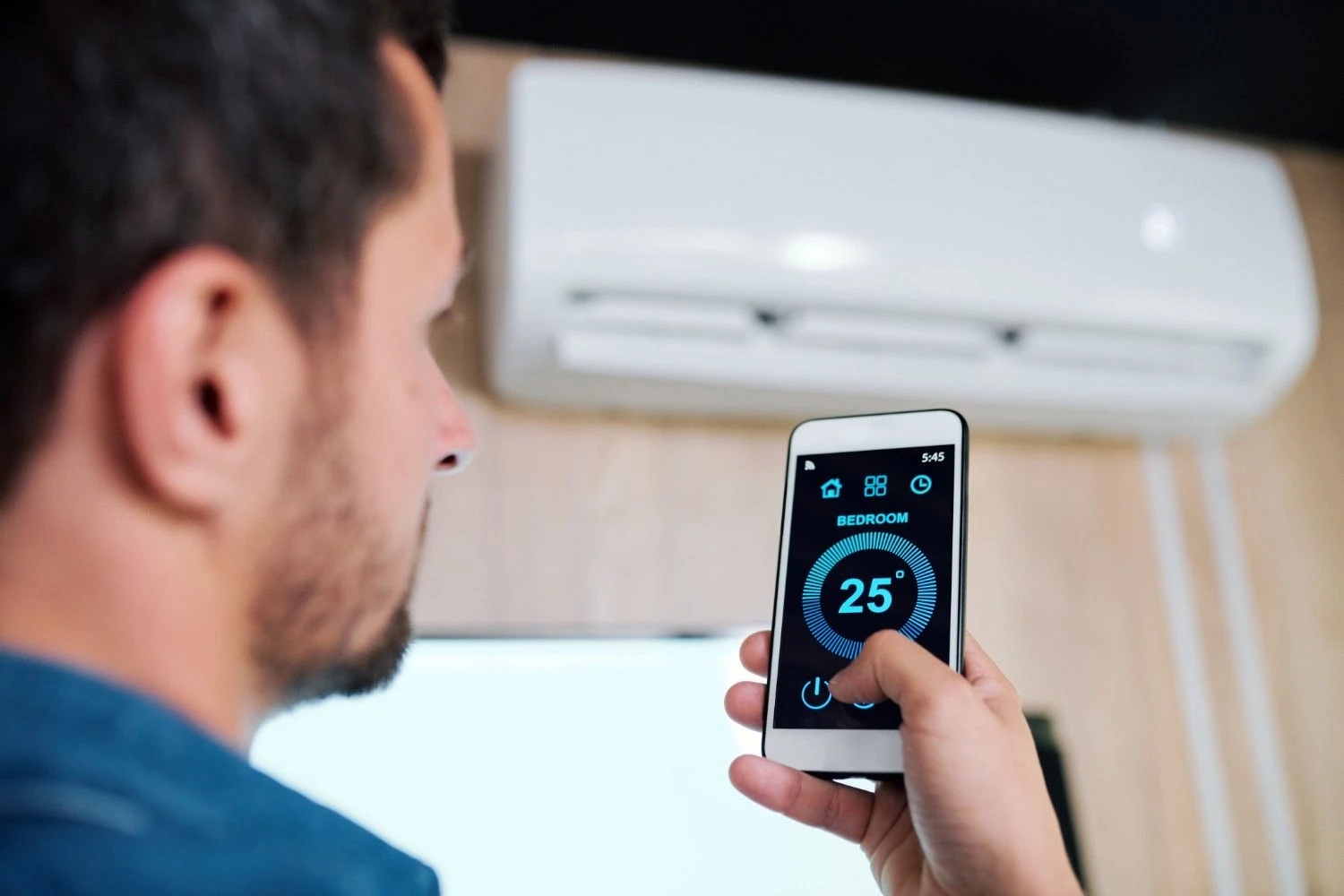
Ductless mini-split systems are a different animal. Most mini-splits use their own proprietary controllers and don’t connect to standard 24V thermostat wiring the way central systems do. If you’re running a mini-split in a converted garage, sunroom, or add-on space, don’t expect to wire a Nest directly to it. Some mini-splits work with third-party smart controllers designed specifically for that brand, but that’s a separate product from a standard Nest install. If your mini-split has been giving you trouble already, it’s worth reading up on common mini-split issues before assuming a thermostat swap will fix anything.
Read more Common Problems with Mini Splits
Cost of Nest Installation vs. Full System Replacement
This is often the real question behind can nest thermostat replace heating and air conditioning: people want to know if a cheaper upgrade can delay a bigger, more expensive repair. A Nest thermostat itself typically runs somewhere in the range of 130 to 280 dollars depending on the model, with professional installation adding a modest labor cost on top, especially if a C-wire needs to be added.
Compare that to a full system replacement, which in the Houston area can run from several thousand dollars for a standard split system up into five figures for larger homes or high-efficiency variable-speed equipment. A smart thermostat is a smart, low-cost upgrade that can shave a noticeable percentage off your energy bill through better scheduling and geo fencing.
But it won’t fix a failing compressor, a cracked heat exchanger, or a system that’s simply worn out. Knowing the difference helps you spend your money in the right place.
When to Call a Houston HVAC Professional
Some situations call for a pro instead of a DIY install. Complex wiring with unlabeled terminals, multi-zone homes with damper controllers, and any system involving high voltage line current are all good reasons to bring in a licensed technician. Safety matters here.
Line voltage systems carry enough current to cause real harm if wired incorrectly, and a miss wired 24V system can damage a control board that costs far more to replace than the thermostat itself.
If you’re weighing whether to replace the thermostat with Nest on your own or have it professionally installed, our team handles thermostat repair and installation across Houston and can confirm compatibility before anything gets mounted on your wall.
Conclusion
A Nest thermostat is a smart control layer, not a replacement for your heating or cooling equipment. It works well for most standard single-stage systems, but variable-speed, zoned, and communicating systems need a more careful look before you make the switch. If you’re still asking whether can Nest thermostat replace heating and air conditioning? In your specific home, the honest answer depends on your equipment, not just the thermostat brand.
Houston homeowners dealing with high humidity and mixed system types should get compatibility confirmed before buying anything. If you want a straight answer for your home, reach out to 75 Degree AC and we’ll walk you through it.
FAQs
Can a Nest thermostat run a heat pump and furnace together?
Yes. Dual fuel systems combining a heat pump with a gas furnace are generally compatible with Nest, as long as the wiring matches Nest’s supported terminal configuration. It’s still worth running a quick compatibility check first.
Will a Nest thermostat work without Wi-Fi?
It will still control basic heating and cooling functions locally, but you’ll lose remote access, scheduling updates, and energy reports until Wi-Fi is restored.
Do I need an electrician to install a Nest thermostat?
Most low-voltage installs don’t require an electrician, but line voltage systems or homes with unclear wiring should have a licensed HVAC technician handle the install for safety.
Can Nest thermostats control zoned HVAC systems?
Sometimes, depending on the zone control panel. Some zoning systems support third-party thermostats fine, while others are built around a proprietary controller that won’t accept a Nest.
What happens if my system isn’t Nest-compatible?
You may need an adapter, a different thermostat model built for your equipment, or in some cases a small wiring upgrade done by a professional to make it work safely.
Can Nest thermostat replace heating and air conditioning?
A Nest thermostat is only a control device that manages your existing HVAC equipment. It tells your furnace, heat pump, or air conditioner when to turn on and off, but it does not provide heating or cooling itself.

