What Is Emergency Heat On a Thermostat
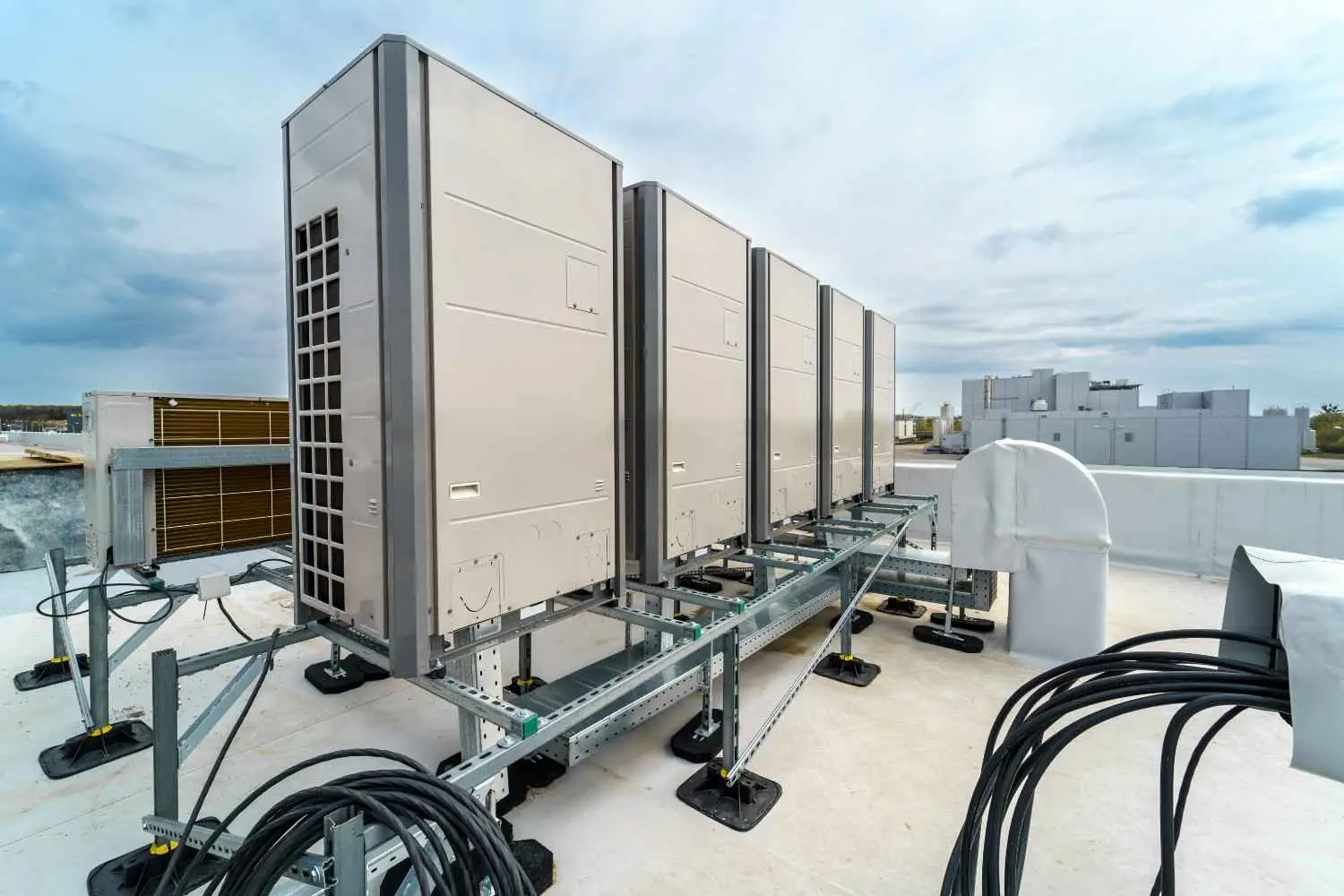
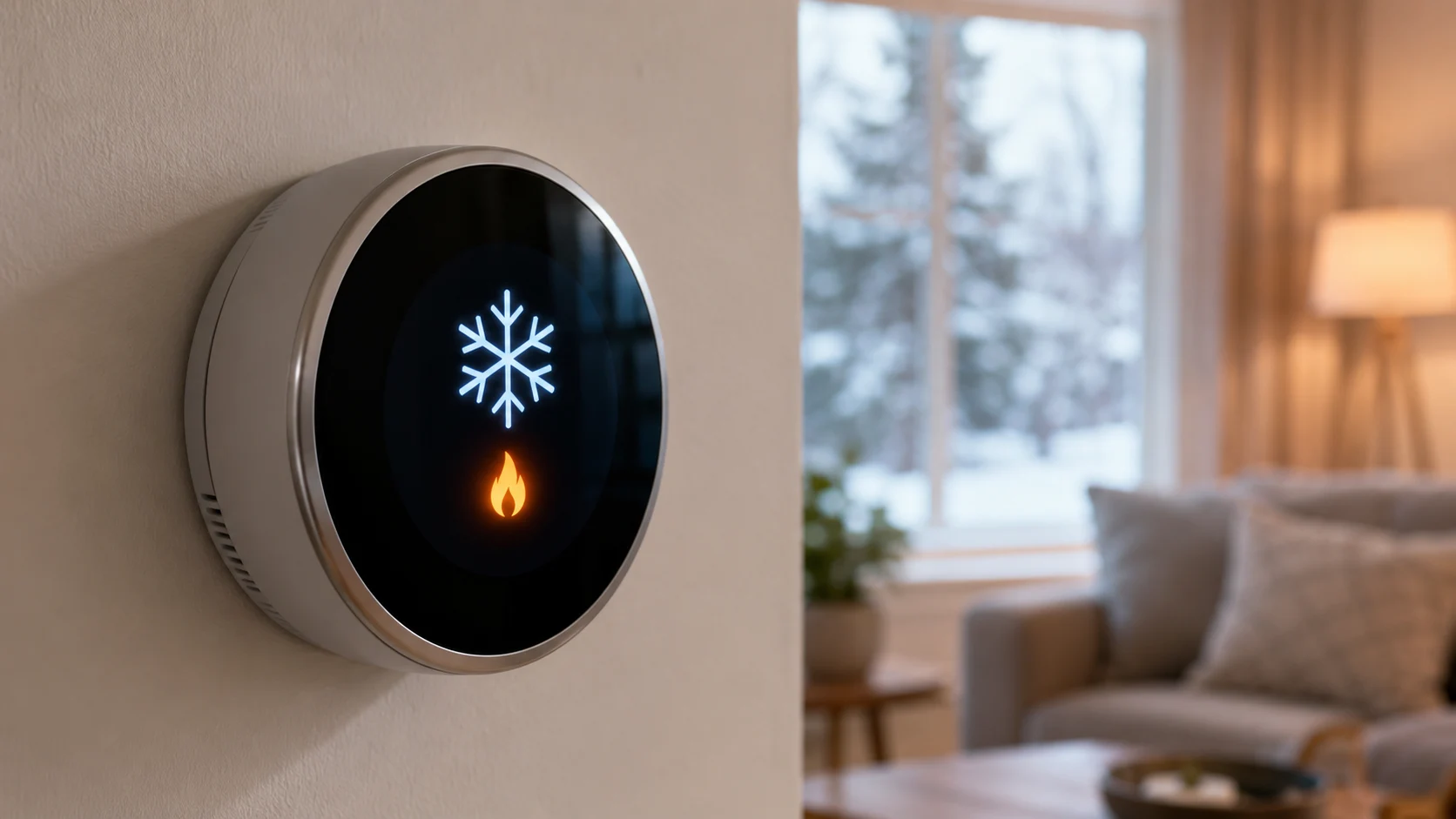
Thermostats have a unique placing labeled “EM heat.” But what’s it? Many people falsely assuming it`s a placing which will turn on for the duration of freezing temperatures. However, this isn`t true. “EM” stands for emergency, and this secondary heating gadget is a back-as much as preserve your property heat while your number one heat fails. So, you don`t need to head switching it on with out understanding what you`re doing. No count number the circumstance, you ought to recognize your home appliances settings earlier than you mess with them. That`s why 75 Degree AC created this manual on EM Heat, so that you recognize the proper manner to apply a heat pump in your home. What is EM Heat? What is EM heat on thermostat settings? Short for “emergency heat,” it’s far a placing that controls your private home`s back-up heating gadget. If you’ve got an emergency heat thermostat placing, you probable have a heat pump, in addition to a gas, oil, electric, or hot-water back-up gadget. Most structures have a heat pump as its number one placing and set off their secondary (gas, oil, or electric) heating whilst supplemental, or second-stage, heating is required. In less warm climates (beneath 35° Fahrenheit), all heat pumps want a secondary heating supply due to the fact your heater faucets into this placing whilst outdoor temperatures drop too low. However, if you switch to your EM heat manually, you start drawing warmth most effective from the secondary supply. Now, rather than operating together along with your major heat pump, your backup is operating solo. This is manner much less green than your number one heating gadget, so that you ought to most effective use it in actual emergencies until you need to pay exorbitant heating bills. Read more the Can Nest Thermostat Replace Heating and Air Conditioning How EM Heat Works Thermostats which have an EM Heat or Aux Heat putting normally depend upon a heat pump for the number one heating of the house. Heat pumps perform with the aid of using extracting warmness from the outside and pulling it into the house, however whilst temperatures drop, the air will become too bloodless for this to be an powerful approach of heating the house. At this point, the secondary heat source, like a fueloline furnace or electric powered heat strip, is activated to offer heat to the house. EM Heat or Aux Heat also can be mechanically activated while the inner temperature is three tiers or extra beneath the Thermostat Repair and Installation in Houston. If you arrive domestic and lift the temperature at the thermostat numerous tiers, EM Heat or Aux Heat can be activated to attain the favored temperature extra quickly. Normally, the 2 system operate in tandem for the duration of the coldest months of the 12 months and whilst the temperatures out of doors start to heat up, the heat pump on my own is sufficient to preserve the house comfortable. However, while the EM Heat mode is activated, the heat pump is largely became off. In this mode, simplest the secondary heating device can offer heat to the house, ensuing in higher payments and much less green heating because, rather than heating the house with a number one and secondary device, you’re now depending completely at the secondary device. When Should I Use Emergency Heat? Sometimes it`s difficult to recognize if you have a heating emergency. Since this heating gadget is simplest used sparingly, it`s vital to recognize what constitutes a want for an emergency indoor heater. Examples of Emergencies You have a malfunctioning heat pump: If your heat pump stops operating completely, it`s time to show to your emergency heat so you don`t freeze with inside the house! It`s vital to get the trouble constant quickly, though, when you consider that the use of emergency heat is expensive. Freezing Outdoor Temperatures: Sometimes, if the climate out of doors drops a long way under freezing temperature you could want to apply emergency heat. The normal heat pump will battle to preserve up and turning at the emergency heat will assist hold heat temperatures. Conditions Where Your Heat Pump Ices Over: It`s viable for the heat pump to ice over while it`s certainly bloodless out of doors. If this takes place and it does now no longer defrost itself as usual, you have to flip off the normal warmth proper away and use emergency warmth till the ice melts or you could call an HVAC technician. Did You Accidentally Turn On Your Thermostat`s EM Heat? If you by chance grew to become to your emergency heat, that`s no reason for alarm! You have no longer performed something to harm your heating gadget. But, in case you do now no longer have a heating emergency you have to flip it off as quickly as you could to shop on power costs. It is really well worth robotically checking to ensure you do now no longer have your emergency warmth on via way of means of accident, main to a rather excessive power bill. Why EM Heat Should Only Be Used in Emergencies The motive that the EM Heat placing effects withinside the heating device running much less correctly is that the number one device honestly is predicated at the secondary or auxiliary heating device to assist enhance heat manufacturing whilst the temperature is underneath 35°F. However, while the thermostat is ready to EM Heat, the number one device is bypassed entirely, so as a substitute of getting each structures running in tandem to generate extra heat, you’re handiest capable of use the secondary heating device. The heating and cooling device normally has a heat pump as a number one technique of heating the house and could use a fueloline furnace or electric powered heat strip to offer auxiliary heat while it`s vital to reinforce the device. If the heat pump fails, then switching over to EM Heat permits the house to maintain generating heat, however