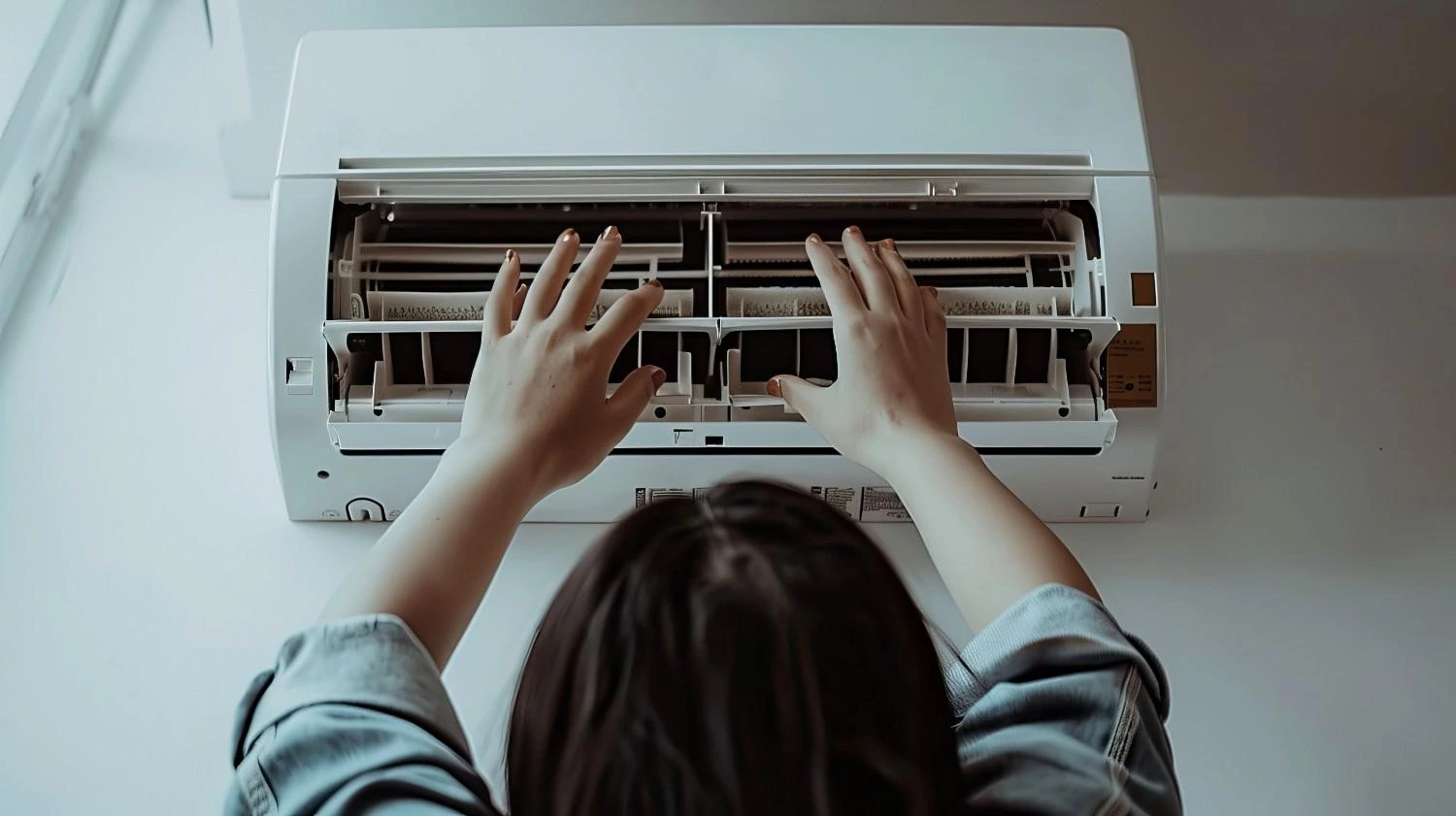

Does Air Conditioning Remove Humidity? What’s Really Happening Inside Your AC
Your thermostat reads 72 degrees. The AC has been running for an hour, maybe two. And yet your sheets feel damp when you climb into bed, the bathroom mirror won’t stay clear after a shower, and the glass of tea on your counter is sweating almost as much as you are just standing there. If you’ve lived in Houston through even one summer, you already know this feeling has nothing to do with the number on the thermostat. So does air conditioning remove humidity, or is that cool air just tricking you into thinking the problem’s solved? Yes, it does pull moisture out of the air. But that’s a side effect of cooling, not the main job the system was built to do. That distinction matters a lot here, because Houston sits close enough to the Gulf that outdoor humidity can sit in the 80s and 90s even after dark, and that kind of moisture load can overwhelm a system that’s working exactly the way it’s supposed to. How Your AC Actually Pulls Moisture Out of the Air Somewhere inside your air handler is a coil called the evaporator coil. Warm, humid air from your house blows across it, and the coil is cold enough to chill that air well below room temperature. Your evaporator coil is doing the same trick, just at a much bigger scale. Air passes over that cold coil, hits its dew point, and the moisture turns to liquid right there on the metal. That water drips into a condensate pan, then runs out through a condensate line, usually somewhere near your outdoor unit or down through the attic. On a rough Houston summer day, a system that’s actually Air Conditioning Services in Houston can pull several gallons of water out of a house this way. Seen a little puddle or a dripping PVC pipe near your unit before? That’s your AC quietly doing its job. There’s a catch though. This only happens while the compressor is running and cold air is actually moving across that coil. The second the system satisfies the thermostat and shuts off, moisture removal stops cold, even while Houston’s outdoor humidity keeps leaning on your windows and walls. Does AC Really Remove Humidity? (The Straight Answer) Yes. But it’s a byproduct, not the primary job, and that’s worth sitting with for a second. A typical central AC pulls somewhere around 1 to 2 gallons of water out of the air per day in an average home. A dedicated whole-house dehumidifier, running on its own, can manage 3 to 9 gallons a day depending on size and conditions. That gap is a big part of why does air conditioning reduce humidity enough on its own is such a common question in places like ours. Most HVAC pros aim for 30 to 50 percent relative humidity indoors. Dip below that and skin and sinuses start drying out. Climb above it and homes get sticky fast, mold finds a foothold, wood starts to warp. In a lot of the country, a properly sized AC keeps a home comfortably in that range without much extra effort. Houston isn’t a lot of the country. Gulf moisture parks itself over the region for months, and outdoor relative humidity routinely sits in the 80s and 90s, even overnight when you’d think things would cool off and dry out a little. That means the AC is fighting an uphill battle every single day it runs. It’s still pulling water out of the air. It just isn’t always fast enough to keep pace with how much moisture keeps finding its way back in. Why Your Houston Home Still Feels Humid Even With the AC On This is where most homeowners get genuinely confused, because the does air conditioning remove humidity and the house still feels off. Usually it’s one of these, sometimes two or three stacked together. Oversized AC Unit A system that’s too big for the space cools fast and shuts off before it’s really had time to work, a pattern called short cycling. The coil barely gets cold enough to start pulling moisture before the thermostat’s satisfied and the unit shuts down. You get cool air quickly, but almost no dehumidifying to show for it. Fan Set to “On” instead of “Auto.” Run the fan constantly and it keeps blowing air across the coil even after the compressor’s off. Any moisture that just condensed there gets re-evaporated straight back into your ductwork. Switching that setting to Auto is one of the easiest fixes there is, and it costs you nothing. Leaky Ductwork in The Attic Houston attics get brutal in summer, and plenty of homes here route ductwork right through that heat. Leaky seams or a disconnected joint pull hot, humid attic air into your supply air and undo a good chunk of the dehumidifying your AC just did. Dirty Air Filter or Dirty Coil A clogged filter restricts airflow, and less airflow means less air actually crossing that coil (our blog on why is my ac not blowing cold air covers this in more depth). Less moisture removal follows, even if the coil itself is fine. Low Refrigerant Charge Low on refrigerant, the coil can’t get cold enough to condense much moisture, even while it’s still blowing air that technically feels cool. Undersized or Aging System On the flip side, a system that’s too small, or just worn out after 12 to 15 years of Houston summers, can run nearly nonstop and still lose the fight on both temperature and humidity. Signs Your AC Isn’t Dehumidifying Properly A handful of warning signs tend to show does air conditioning remove humidity becomes a real problem: A musty smell in certain rooms, closets, or near vents Windows that fog up, or stay foggy, even with the AC running Skin that feels clammy or sticky indoors, even when the thermostat reads comfortable Mold or mildew near vents, bathrooms, or along baseboards Wood floors cupping, or interior doors that suddenly