(713) 598-2737
info@75degreeac.com
4800 W 34th St C50F, Houston, TX 77092, United States
Facebook
X-twitter
Instagram
Yelp
Menu
Home
Cooling
Air Conditioning Repair
Central AC Repair
AC Heat Pump Repair
AC Leak Repair
AC Compressor Repair
Emergency AC Repair
Air Conditioning Installation
Central AC Installation
Mini-Split AC Installation
AC Heat Pump Installation
Ductless AC Installation
AC Conditioning Replacement
AC Tune up & Maintenance
Ac Troubleshooting Diagnosis
Residential AC Service
Commercial AC Service
Heating
Heating Repair and Maintenance Houston
Furnace Repair Houston
Gas Furnace Repair Houston
Electric Furnace Repair Houston
Emergency Heating Repair Houston
Heating Installation and Replacement Houston
Furnace Installation Houston
Furnace Replacement Houston
Thermostat Repair and Installation in Houston
Residential Heating Service Houston
Commercial Heating Service Houston
HVAC
HVAC Repair
Emergency HVAC Repair Houston TX, 24/7 Service
HVAC Installation
HVAC Replacement
HVAC Maintenance Plans
Commercial HVAC Maintenance
HVAC Inspection
Commercial HVAC Services
Residential HVAC Services
Air Quality & Systems
Indoor Air Quality Testing
Air Purifier Installation
UV Light Installation
HEPA Filtration
Ventilation System
Humidifier Installation
Dehumidifier Installation
Company
Areas We Serve
About Us
gallery
Blog
Contact
FAQs
Book Now
Category: Repair
All Posts
Air Quality & Systems
Blogs
Heating
Humidifier Installation
HVAC
Installations
Repair
Ventilation
Can an AC Compressor Be Repaired? A Complete Guide for Homeowners
September 4, 2026
/
What Is an AC Tune Up?
August 31, 2026
/
How to Clean a HEPA Filter?
August 19, 2026
/
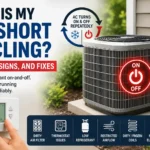
Why Is My AC Short Cycling? Causes, Signs, and Fixes
August 18, 2026
/
How to Reset Furnace: A Simple Step-by-Step Guide
July 22, 2026
/
Common Problems with Mini Splits: Complete Diagnosis & Repair Guide
July 3, 2026
/
How to Fix Heating and Air Conditioning Problems (Step-by-Step Guide)
June 24, 2026
/
Why Is My AC Not Blowing Cold Air? 10 Common Causes and Easy Fixes
June 23, 2026
/
How Long Do AC Units Last in Houston?
June 17, 2026
/
AC Leaking Water Inside House? Here’s the Houston HVAC Pro’s Full Answer
June 17, 2026
/
Load More
End of Content.
Recent Posts
All Posts
Air Quality & Systems
Blogs
Heating
Humidifier Installation
HVAC
Installations
Repair
Ventilation
Why Is My AC Tripping the Breaker in Houston? 9 Causes and How to Fix Them
How Houston Heat Affects Your AC Compressor?
What is the $5000 rule for HVAC?
Category
Air Quality & Systems
(2)
Blogs
(2)
Heating
(2)
Humidifier Installation
(1)
HVAC
(4)
Installations
(11)
Repair
(11)
Uncategorized
(27)
Ventilation
(6)
At 75 Degree AC, we provide dependable HVAC services for residential and light commercial properties throughout Houston, TX.Our experienced technicians focus on accurate diagnostics, quality workmanship, and long-term system performance
Quick Links
Home
About Us
Blogs
Contact Us
Our Services
Ac Services
Heating Services
HVAC Services
Air Quality & Systems
Get In Touch
(713) 598-2737
info@75degreeac.com
4800 W 34th St, Ste C50F Houston, TX 77092
Facebook
X-twitter
Instagram
Yelp
© 2026 75 Degree AC. All rights reserved. | Privacy Policy | Terms of Service