
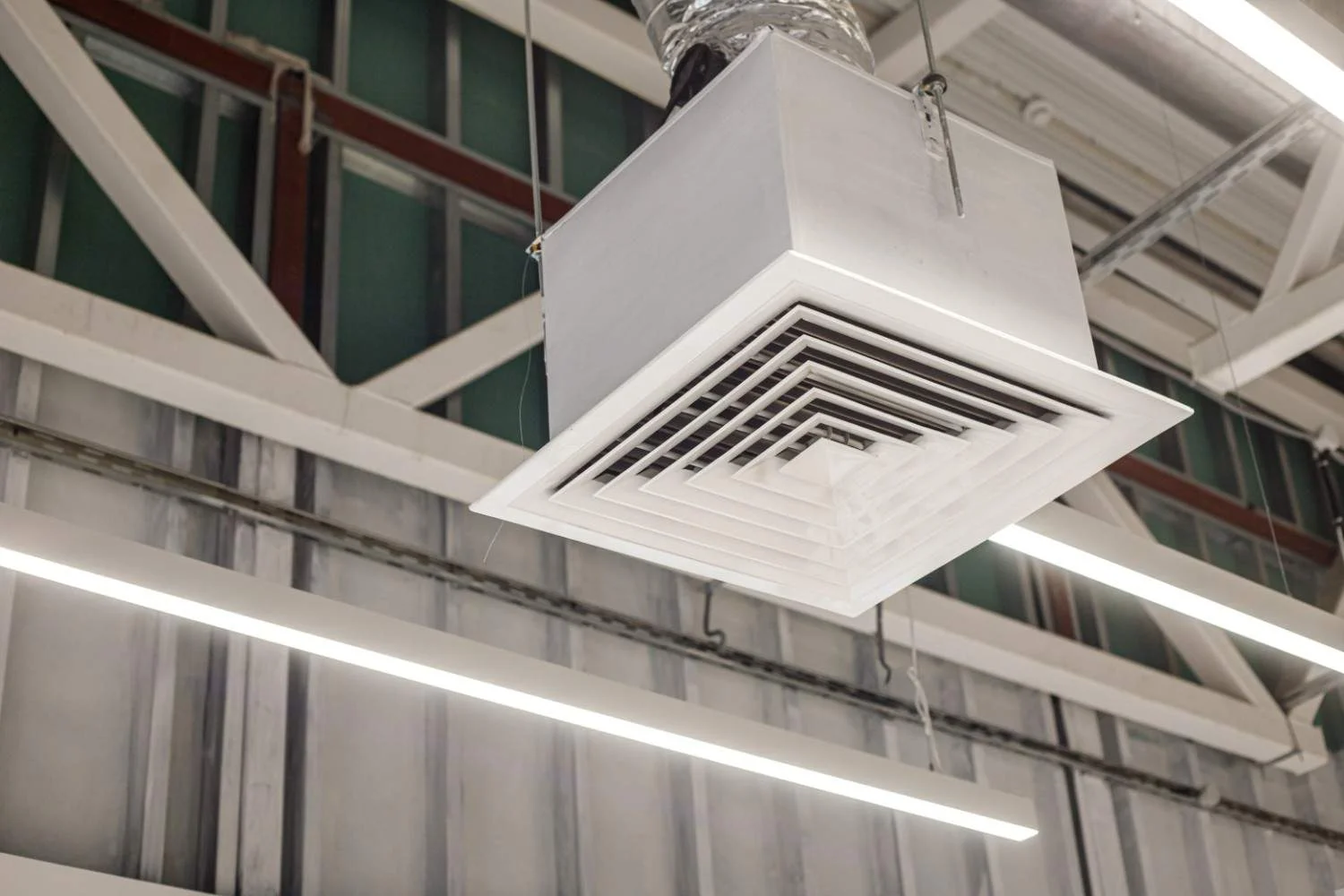
An air purifier works when air passes through multiple filters that trap dirt, pollen, and gases; then pushes clean air back into the room via fan power. That is how does an air purifier work but for optimal effectiveness the process may involve multiple stages.
Are You Searching for what do air purifiers do or wondering whether they should buy one? Look No Further, this guide deconstructs every stage in plain language for easy understanding!
What Is an Air Purifier?
Air purifiers are small appliances used to cleanse the air in one room at once. By sucking up dirty air through one or more filters and exhaling fresher air back out again. Most units cover specific square footages so choosing an adequate unit size is key.
People without central HVAC systems, like renters in apartments or condos, rely on these units the most. You don’t need ductwork or a whole-home setup.
You just plug one in and let it run. This is also why indoor air quality has become such a common topic among apartment and condo residents seeking portable air purification.
Air purification definition, refers to the process of eliminating particles and gases from indoor air through mechanical filtration or alternative technologies like UV light.
The Step-by-Step Air Purification Process

How does an air purifiers work their magic? Each stage removes a different type of contaminant before the air reaches your lungs.
Step 1: Air Intake
A fan inside the unit pulls polluted air into the device. Stronger fans move more air per hour, which matters in larger rooms.
Step 2: Pre-Filter
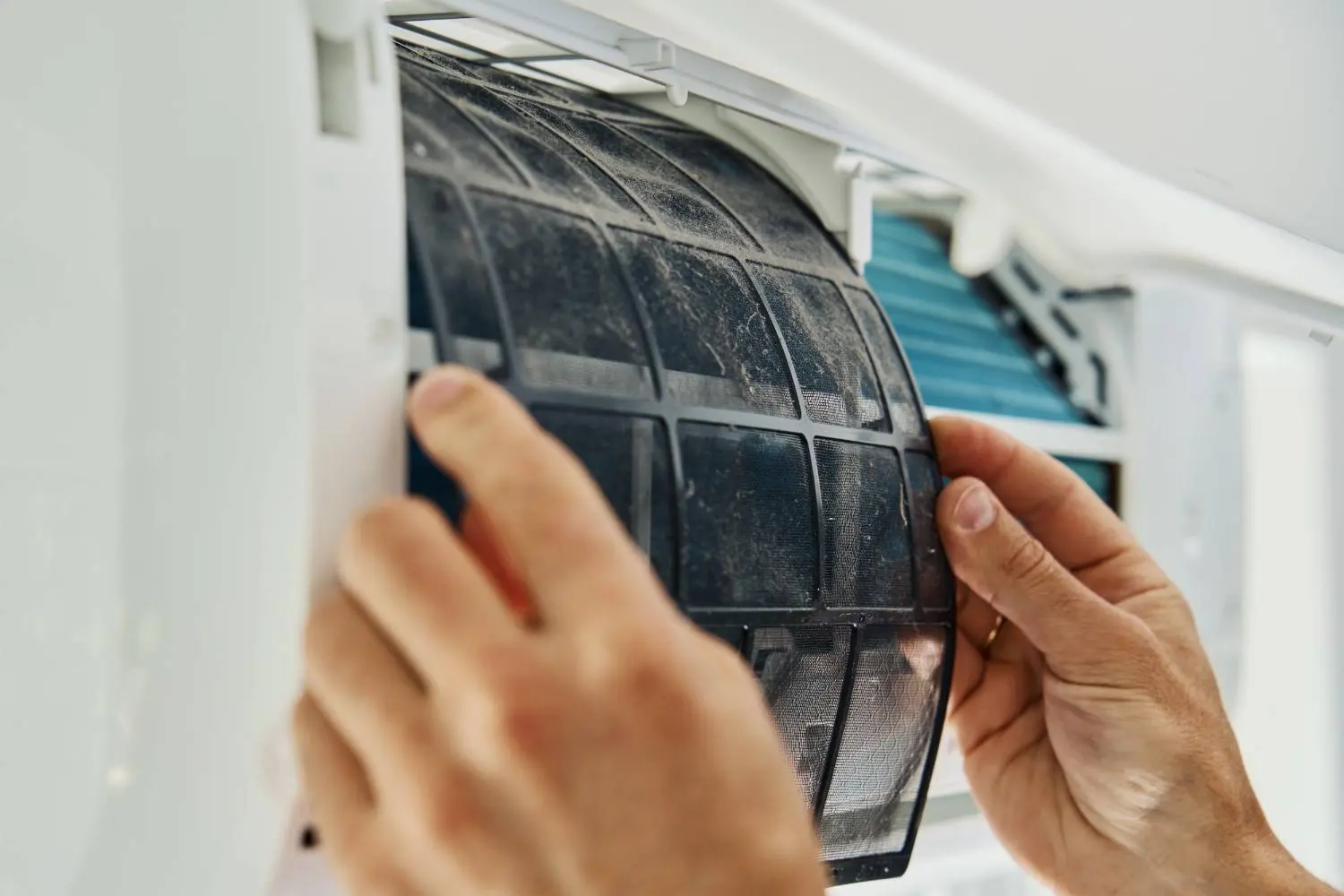
The pre-filter catches large particles first. Pet hair, lint, and bigger dust clumps get trapped here. This step protects the finer filters from clogging too fast.
Step 3: Activated Carbon Filter
Next, air passes through an activated carbon filter. Carbon is full of tiny pores that trap gases and odors through a chemical process called adsorption. This stage handles volatile organic compounds (VOCs), formaldehyde, smoke smell, and cooking odors that regular filters can’t catch.
Step 4: HEPA Filter
The HEPA filter is the core of most units. HEPA stands for high efficiency particulate air, and a true HEPA filter captures 99.97% of particles as small as 0.3 microns. This includes dust pollen, mold spores, pet dander, and even some bacteria. There’s a difference between H13 filters and lower-grade H12 or E12 filters, with H13 offering tighter filtration for people with allergies or asthma.
Step 5: Optional Ionizer or UV-C Stage
Some models add an ionizer or UV-C light. Ionizers use electrostatic precipitation to charge particles so they stick to surfaces or get pulled back into the filter. UV-C light can kill bacteria and viruses that pass through, though this stage isn’t found in every unit.
Step 6: Clean Air Release
Once the air clears every stage, the fan pushes it back into the room. This cycle repeats continuously, improving air circulation and steadily raising indoor air quality over time.
Read the What Role Air Purifiers Play Within Modern HVAC Systems for more about air purifiers.
What Pollutants Do Air Purifiers Remove?
A good purifier handles a wide mix of airborne pollutants:
- Volatile organic compounds (VOCs) from paint, cleaning sprays, and household items
- Formaldehyde released from furniture and flooring materials
- Particulate matter (pm2.5) from cooking, traffic, and wildfire smoke
- Pollen, dust mites, and mold spores
- Pet dander and odors
- Bacteria and some airborne viruses
Each filter stage targets specific air pollutants, which is why a multi-stage system outperforms a single basic filter.
Sensors & Auto Mode: How Purifiers “Know” When to Work
Most modern units include air quality sensors that measure particle levels in real time. When pollution spikes, like during cooking or after vacuuming, the unit switches to a higher fan speed automatically.
Auto mode uses this sensor data to adjust power without you touching a button. Laser sensors tend to be more accurate than basic optical ones, picking up smaller particles faster. This keeps energy efficiency high since the fan only works harder when it needs to.
Key Components Explained
Here’s a quick breakdown of the main parts inside every unit:
- Fan: Moves air through the filters and back into the room
- Filter: Traps particles and gases (covered in detail above)
- Sensor: Detects pollution levels and triggers auto mode
- Housing: Directs airflow and houses the control panel
Understanding how does an air purifier work these types of filters and parts helps you compare models more confidently when shopping.
HEPA Filter Classes Explained
|
Class |
Efficiency | Best For |
| E12 | 99.5% at 0.3 microns |
General home use |
|
H13 |
99.95% at 0.3 microns | Allergy and asthma sufferers |
| H14 | 99.995% at 0.3 microns |
Medical-grade filtration |
Higher classes cost more but trap finer particles, which matters most for people with respiratory conditions.
Do Air Purifiers Actually Work? (Benefits Backed by the Mechanism)

Do air purifiers really work? Yes, when sized correctly for the room and maintained on schedule. Here’s how each benefit connects back to the filtration process:
Allergy relief comes from the HEPA stage trapping pollen and dust before you breathe it in. Asthma and respiratory condition sufferers often notice fewer flare-ups within a few weeks of consistent use.
Better sleep happens because cleaner air means less nighttime coughing and congestion, especially for parents concerned about indoor air quality for children.
Odor control comes from the carbon stage absorbing smells from cooking, pets, or smoke, which matters a lot for pet owners dealing with pet dander and odors.
Cleaner air also reduces the dust film that settles on furniture and electronics, helping appliances last longer.
How to Choose the Right Air Purifier for Your Room
Match the unit to your room sizes using its CADR (Clean Air Delivery Rate) rating. A unit rated for 300 square feet won’t perform well in a 600 square foot space.
Check noise levels too. Some units hit 50+ decibels on high speed, which can be disruptive in bedrooms. Factor in filter replacement cost, since cheaper units often need pricier replacement filters over time. Smart features like app control and auto mode add convenience but aren’t required for solid performance.
If your home’s airflow already feels uneven, a standalone purifier won’t fix the root issue. A whole-home setup paired with Air Purification Installation from a licensed technician often works better than running several portable units room by room. 75 Degree AC provides Air Duct Repair & Replacement in Houston, TX, including purifier sizing, ductwork inspection, and installation tailored to your home’s actual airflow.
Maintenance: How Often to Clean or Replace Filters
|
Filter Type |
Replacement Schedule |
| Pre-filter |
Clean every 2 to 4 weeks |
|
Activated carbon |
Replace every 3 to 6 months |
| HEPA filter |
Replace every 6 to 12 months |
Skipping replacements reduces airflow and filtration power, so the unit ends up working harder for worse results. If you’re unsure which filter your system needs or how it interacts with your HVAC unit, an Indoor Air Quality Testing can confirm the right filter grade and replacement schedule for your specific setup.
What Is an Air Purifier Good For?
What is an air purifier good for beyond allergies? It helps with wildfire smoke season, new construction off-gassing, cooking odors, and homes with multiple pets. Health-conscious homeowners interested in improving indoor air quality often run one continuously rather than only during allergy season.
Conclusion
Now you know exactly how does an air purifier work, from air intake through HEPA filtration to clean air release. The right unit, sized correctly and maintained on schedule, makes a real difference for allergies, odors, and overall indoor air quality.
If your home also needs help with airflow, filtration, or HVAC performance, 75 Degree AC offers professional air purification installation and service across Houston. Reach out today for a free consultation on the right setup for your space.
FAQs
How long do air purifiers take to clean a room?
Most units cycle the air in a room every 30 minutes to 2 hours, depending on fan speed and room size.
Do air purifiers remove viruses?
HEPA filters trap many airborne viruses attached to particles, though units with UV-C add extra protection.
Can air purifiers help with pet odor?
Yes. The activated carbon stage absorbs pet odors effectively, especially in models with thicker carbon layers.
Is it safe to sleep with an air purifier on?
Yes, running one overnight is safe and often improves sleep quality by reducing allergens in the bedroom.

