
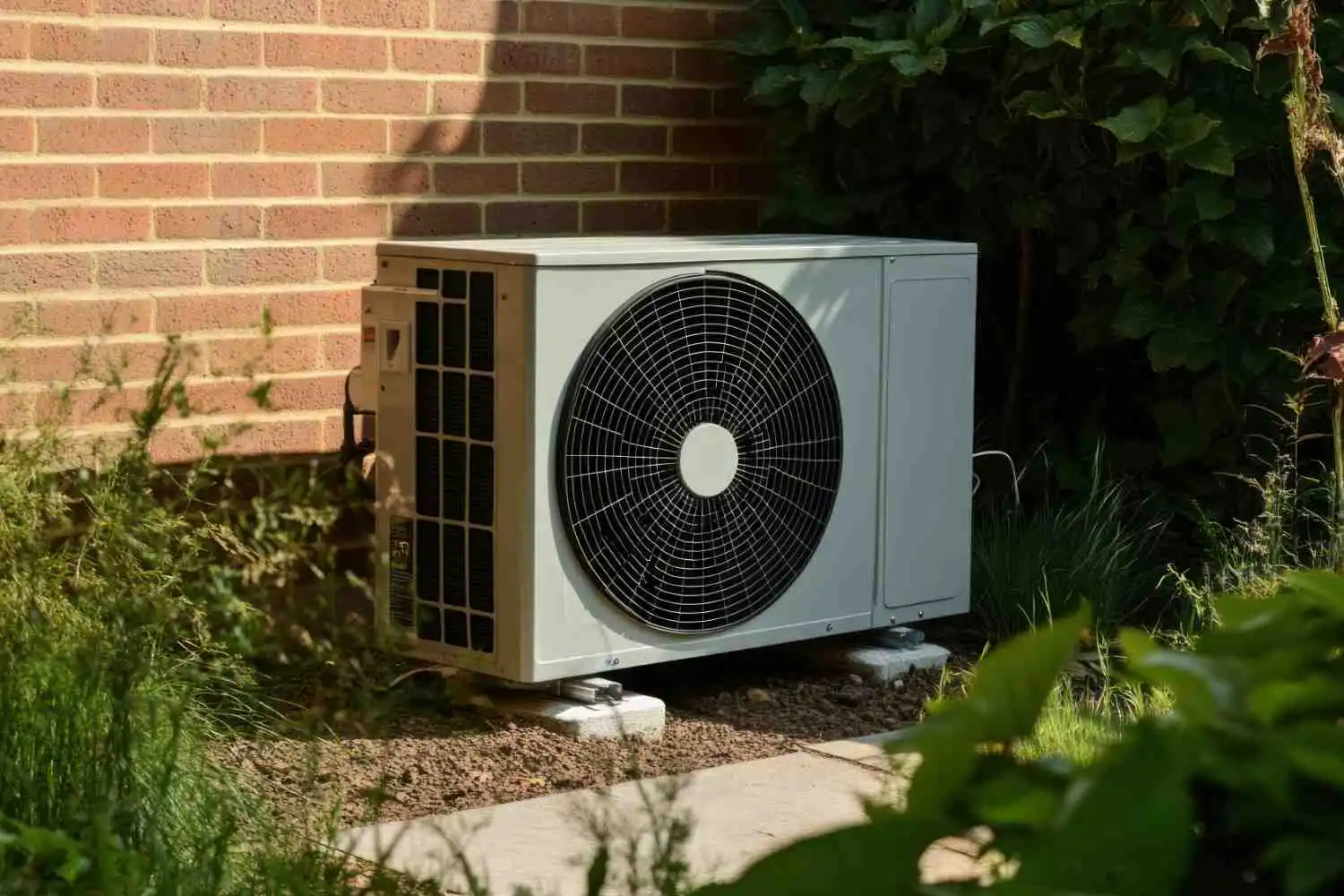
It’s July in Houston, the kind of afternoon where the sidewalk practically shimmers, and your heat pump picks that exact moment to blow warm air instead of cool. If that sounds familiar, you already know why the signs heat pump is failing matter more here than almost anywhere else in the country. Our summers are long, our humidity never really quits, and a struggling system doesn’t get much of a break to recover.
This guide walks through nine warning signs that tell you your heat pump is on its way out, what’s usually causing each one, and what you can check yourself before picking up the phone. We put this together based on what we actually see on service calls across the Houston area, not generic advice pulled from a manual. Our goal at 75 Degree AC is simple: help you catch a failing system before it leaves you sweating through a 100-degree afternoon with no air conditioning at all.
Quick Takeaways
- Rising energy bills, weak airflow, and strange noises are usually the first signs your heat pump is going bad.
- A heat pump that runs constantly but never reaches the set temperature is losing efficiency fast.
- Systems over 10 to 12 years old fail more often in Houston’s climate than in milder regions.
- Ice on the outdoor unit or water pooling nearby almost always points to a refrigerant or drainage problem.
- Knowing when to replace heat pump equipment versus repairing it comes down to age, repair cost, and how often problems keep happening.
What Does It Mean When a Heat Pump Is Failing?
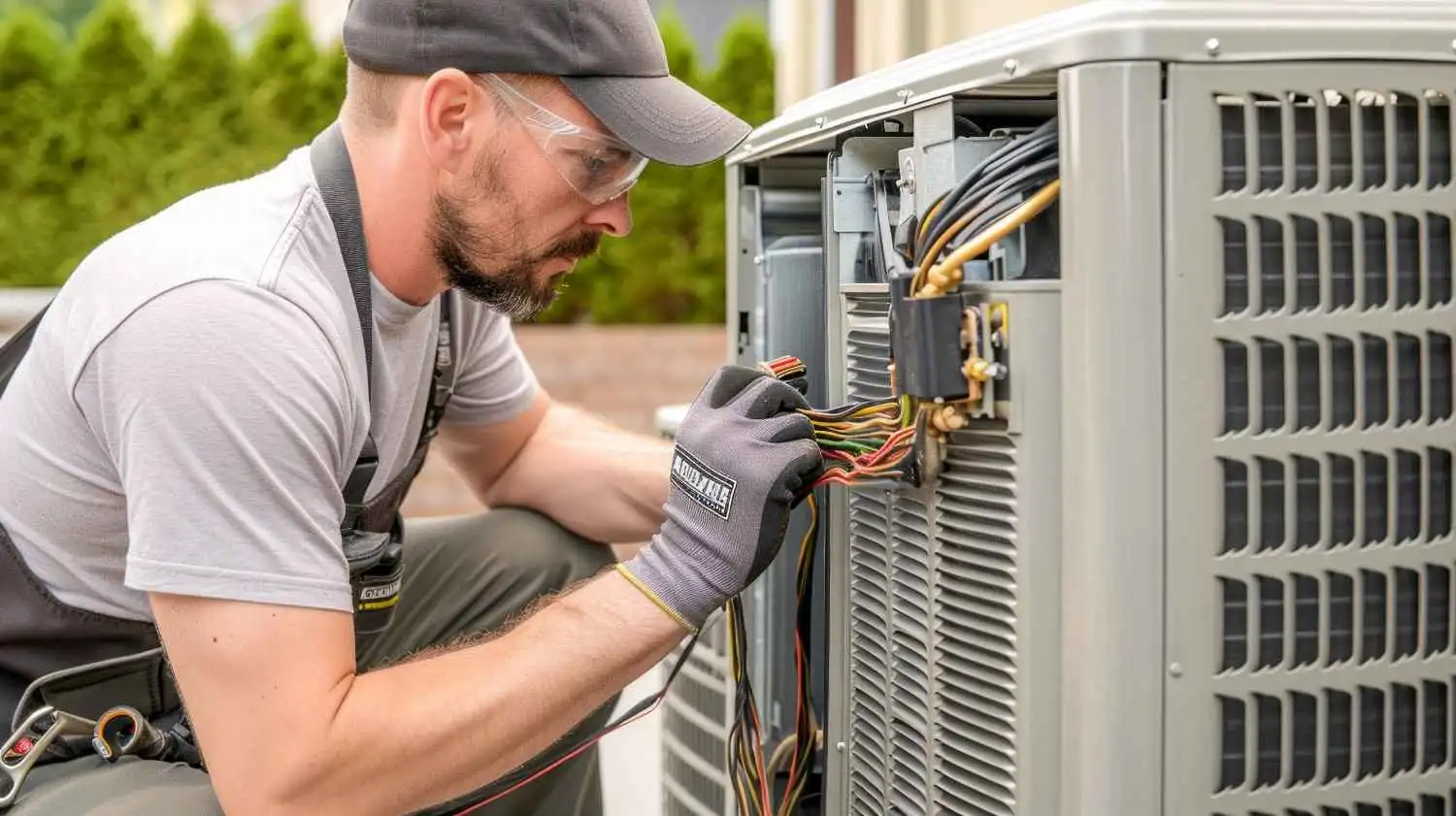
A failing heat pump doesn’t usually die all at once. It’s the recurring stuff that runs your system into the ground. Odd noises. Slowly climbing bills. Rooms that never quite feel right no matter where you set the thermostat. The signs heat pump is failing are rarely subtle if you know what to watch for, and catching them early is the difference between a $200 repair and a system that quits on you mid-August.
Think of it less like a light switch and more like a slow leak. Each sign on its own might not mean much. But when two or three show up together, your system is telling you something. If you’re already noticing a couple of these and want a professional opinion, our team handles heat pump repair in Houston and can usually diagnose the root cause in a single visit.
9 Warning Signs Your Heat Pump Is Failing
Here’s what we look for on every service call, in the order homeowners usually notice them.
1. Rising Energy Bills Without Explanation
If your electric bill jumped and your habits didn’t change, your heat pump is probably working harder than it should. This is one of the clearest signs your heat pump is going bad, because efficiency loss shows up on your bill before it shows up anywhere else.
Dirty coils, an aging compressor, or a refrigerant leak all force the system to run longer to hit the same temperature. In Houston, where the cooling season stretches nearly eight months, that extra runtime adds up fast.
DIY check: Compare this month’s bill to the same month last year. A jump of 15 to 20 percent with no change in usage is a red flag.
Call a pro if: The increase continues after you’ve replaced the filter and cleared the outdoor unit.
2. Uneven Heating or Cooling (Hot and Cold Spots)
One room feels fine, another feels like a sauna, and a third never seems to cool down at all. Uneven temperatures usually point to duct problems, low refrigerant, or a system that’s simply undersized for your home.
This is also where heat pump not heating properly in winter show up. Houston winters are mild, but they’re not nonexistent, and a heat pump that can’t keep bedrooms warm on a cold front night has a real problem, not just a settings issue.
DIY check: Walk through your home and check vents in every room. Make sure none are blocked by furniture or closed by accident.
Call a pro if: Vents are open and airflow is fine, but temperatures still swing room to room.
3. Strange Noises (Grinding, Squealing, Clanking, Hissing)
A healthy heat pump hums quietly in the background. You shouldn’t really notice it. So when it starts grinding, squealing, banging, or hissing, something inside has changed.
Grinding or squealing usually means worn motor bearings or a failing blower motor. Clanking is often a loose or broken part rattling around inside the cabinet. Hissing is a bigger concern. It can mean a refrigerant leak, and refrigerant work should never be a DIY project. It requires an EPA-certified technician.
DIY check: Note when the noise happens (startup, mid-cycle, shutdown) and what it sounds like. That detail helps a technician diagnose faster.
Call a pro if: You hear hissing or bubbling, or the noise gets louder over a few days.
4. Unpleasant Smells (Musty, Burning, or Rotten Egg)
Smell is an underrated diagnostic tool, and it’s one of the more reliable signs heat pump is failing before you even open the access panel.
A musty smell usually means mold or mildew somewhere in the ductwork or drain pan. A burning smell, especially something plastic or electrical, means a component is overheating and needs immediate attention. A rotten egg smell is rare in a pure electric heat pump, but if you have a dual-fuel system paired with gas backup heat, that smell can indicate a gas leak, and you should leave the house and call for help right away.
DIY check: If it’s a mild musty smell only at startup, it may just be dust burning off. If it lingers past a few minutes, that’s your answer.
Call a pro if: You smell anything burning, or the odor doesn’t fade.
5. Frequent Repairs or Short Cycling
If your heat pump turns on and off in quick bursts instead of running steady cycles, that’s short cycling, and it’s hard on every component inside the unit. Each restart draws more power and adds more wear than a normal, steady cycle would.
Short cycling often traces back to a clogged filter, an oversized system, low refrigerant, or a failing limit switch. If you’ve called for the same kind of repair twice in one year, your system isn’t recovering between problems. It’s declining.
DIY check: Replace the filter first. A clogged filter is the single most common (and cheapest) fix for short cycling.
Call a pro if: Cycling continues after a fresh filter, or you’ve had two or more major repairs in the last 12 months.
6. Weak or No Airflow From Vents
Barely-there airflow from your vents usually means something is restricting air movement before it ever reaches the room. A clogged filter is the most common culprit, but a failing blower motor or a serious duct leak can cause the same symptom.
DIY check: Replace the filter, clear vents of furniture and rugs, and check that the outdoor unit has at least two feet of clearance from bushes or debris.
Call a pro if: Airflow stays weak after those checks, especially if only one or two rooms are affected.
7. Ice Buildup, Refrigerant Leaks, or Water Pooling
Ice on the outdoor unit in the middle of a Houston summer is never normal. It usually means low refrigerant or blocked airflow, and running the system while it’s frozen only makes the underlying problem worse.
Water pooling around the unit is a separate issue, usually tied to a cracked drain pan or a clogged condensate line. Left alone, it can lead to water damage or mold growth near the unit.
DIY check: Turn the system off if you see ice, and check that the condensate line isn’t visibly clogged.
Call a pro if: Ice returns after thawing, or you see an oily residue near refrigerant lines, which usually points to a leak.
8. System Runs Constantly But Never Reaches the Set Temperature
This is where homeowners start asking when is a heat pump not efficient enough to be worth fixing. If your system runs nonstop and the house still won’t hit the temperature on the thermostat, you’re paying for electricity that isn’t doing its job.
Common causes include a failing compressor, low refrigerant, or a reversing valve that’s stuck between heating and cooling modes. A dual-fuel system stuck on emergency backup heat will also run constantly and cost far more to operate.
DIY check: Confirm the thermostat is set correctly and not stuck in emergency heat mode.
Call a pro if: The system runs continuously for more than a few hours without closing the gap to your set temperature.
9. Age of the System (10 to 15 Years, Faster in Houston’s Climate)
Most heat pumps are built to last 15 to 20 years under normal conditions. Houston isn’t a normal condition. Between the humidity, the long cooling season, and coastal-adjacent air quality in parts of the metro, systems here tend to show wear closer to the 10 to 12 year mark.
Age by itself isn’t a reason to panic. But it changes how you should think about repairs. A capacitor swap on a 5-year-old system is a no-brainer. The same repair on a 14-year-old system is a different conversation, one worth having honestly with your technician.
Diagnostic Table: Match Your Symptom to the Likely Cause
|
Sign |
Likely Cause | DIY Fix | Needs a Pro? |
| Rising energy bills | Dirty coils, aging compressor, refrigerant leak | Replace filter, clear debris around unit |
Yes, if bills stay high |
|
Uneven heating or cooling |
Duct leaks, low refrigerant, undersized system | Check and open all vents | Yes, if vents are clear |
| Grinding or squealing | Worn motor bearings, failing blower | None safely possible |
Yes, right away |
|
Burning smell |
Overheating component, wiring issue | Turn system off | Yes, immediately |
| Short cycling | Clogged filter, oversized unit, failing limit switch | Replace filter |
Yes, if it continues |
|
Weak airflow |
Clogged filter, blocked vents, failing blower motor | Replace filter, clear vents | Yes, if airflow stays weak |
| Ice on outdoor unit | Low refrigerant, blocked airflow | Turn unit off, let it thaw |
Yes, refrigerant work is licensed only |
|
Runs but won’t reach temperature |
Failing compressor, stuck reversing valve | Check thermostat mode | Yes |
| System over 10-15 years old | General wear, declining efficiency | Track repair frequency |
Yes, for a repair vs. replace evaluation |
This table alone can save you a wasted service call. If your symptom lines up with something in the DIY column and a quick fix solves it, great. If not, at least you’ll walk into the conversation with your technician already knowing what to ask.
Read more How to Fix Heating and Air Conditioning
Repair Costs by Problem Type
|
Repair |
Typical Cost Range |
| Capacitor replacement |
$150 to $350 |
|
Blower motor replacement |
$250 to $650 |
| Thermostat replacement |
$100 to $300 |
|
Refrigerant leak repair |
$250 to $1,500 |
| Compressor replacement |
$900 to $2,800 |
These ranges shift depending on your system’s size, refrigerant type, and how much labor the fix requires. A technician should walk you through the exact number before any work starts, not after.
Repair vs. Replace: The Houston Heat Pump Rule
Every homeowner eventually asks the same question: is this worth fixing, or is it time to move on? Here’s the rule we use to walk customers through it.
Multiply your system’s age by the repair cost. If that number lands above $5,000, replacement usually makes more financial sense. Below that, and especially if the system has been reasonably maintained, repair is typically the better move.
Example: a 12-year-old heat pump needs a $500 blower motor. 12 x 500 = 6,000. That crosses the line, so a replacement quote is worth getting, even if the repair itself isn’t urgent yet.
Age matters beyond the math too. A system under 8 years old is almost always worth repairing. One past 15 years, especially in Houston’s climate, is running on borrowed time regardless of what the current repair costs. Knowing when to replace heat pump equipment isn’t just about one bill. It’s about the pattern building up behind it.
Why Houston Homes Are Especially Hard on Heat Pumps
Humidity is the real enemy here, not heat. A heat pump in Phoenix deals with dry air and extreme temperatures. A heat pump in Houston deals with moisture that never fully lets up, even overnight, which means coils work harder to pull humidity out of the air on top of managing temperature. That extra load adds up over a cooling season that runs from March through October in most years.
Coastal moisture in parts of the Houston metro also speeds up corrosion on outdoor components, particularly around electrical connections and coil fins. It’s part of why we tend to see repair calls here trend a few years earlier than the national average for heat pump lifespan.
How to Prevent Heat Pump Failure
- Replace your air filter every 30 to 60 days during peak cooling season. Houston’s dust and pollen load clogs filters faster than milder climates.
- Schedule professional maintenance twice a year, once before summer and once before winter.
- Keep at least two feet of clearance around the outdoor unit, free of bushes, mulch, and debris.
- Install a surge protector ahead of storm season. Houston sees its share of sudden power surges during summer storms.
- Check your thermostat settings seasonally to avoid unnecessary short cycling or emergency heat overuse.
None of these steps take more than a few minutes, but together they’re the biggest reason some heat pumps make it to year 18 while others struggle at year 10.
Final Thoughts
Catching the signs heat pump is failing early is really about paying attention before a small issue turns into a Saturday afternoon with no air conditioning. Noises, smells, bills, and airflow all tell a story if you’re willing to listen to them.
If you’ve noticed one or two of these signs and want a straight answer instead of a guessing game, our team at 75 Degree AC handles heat pump diagnostics across the Houston area every week. Give us a call, and we’ll walk your system through the same checklist covered here, in person, with real numbers instead of estimates.
FAQs
How do I know if my heat pump is failing?
Watch for a combination of symptoms rather than just one. Rising energy bills, strange noises, weak airflow, and a system that runs constantly without reaching your set temperature are the clearest signs heat pump is failing. One symptom alone might be minor. Two or three together usually means it’s time for a professional look.
How long do heat pumps last in Houston’s climate?
Most heat pumps last 15 to 20 years under normal conditions, but Houston’s humidity and long cooling season tend to shorten that to closer to 10 to 12 years before major repairs become more frequent.
Is it worth repairing an old heat pump?
It depends on the system’s age and the repair cost. Multiply the age in years by the repair cost in dollars. If that number tops $5,000, replacement is usually the smarter long-term move. Below that, repair is often still worthwhile.
What’s the most common cause of heat pump failure?
A dirty air filter is by far the most common root cause. It restricts airflow, forces every other part of the system to work harder, and accelerates wear on the compressor and blower motor.
Can I prevent heat pump failure myself?
Yes, to a point. Regular filter changes, keeping the outdoor unit clear of debris, and scheduling seasonal professional maintenance prevent most early failures. Anything involving refrigerant, electrical components, or internal motor work needs a licensed technician.
When is a heat pump not efficient enough to keep running?
When your energy bills climb without any change in usage, or the system runs nonstop without reaching your thermostat setting, it’s no longer operating efficiently. At that point, a technician can help you weigh a repair against replacement.
Catching these signs early is a lot cheaper than waiting for a full breakdown — our heat pump repair service can usually get a struggling unit back on track.