
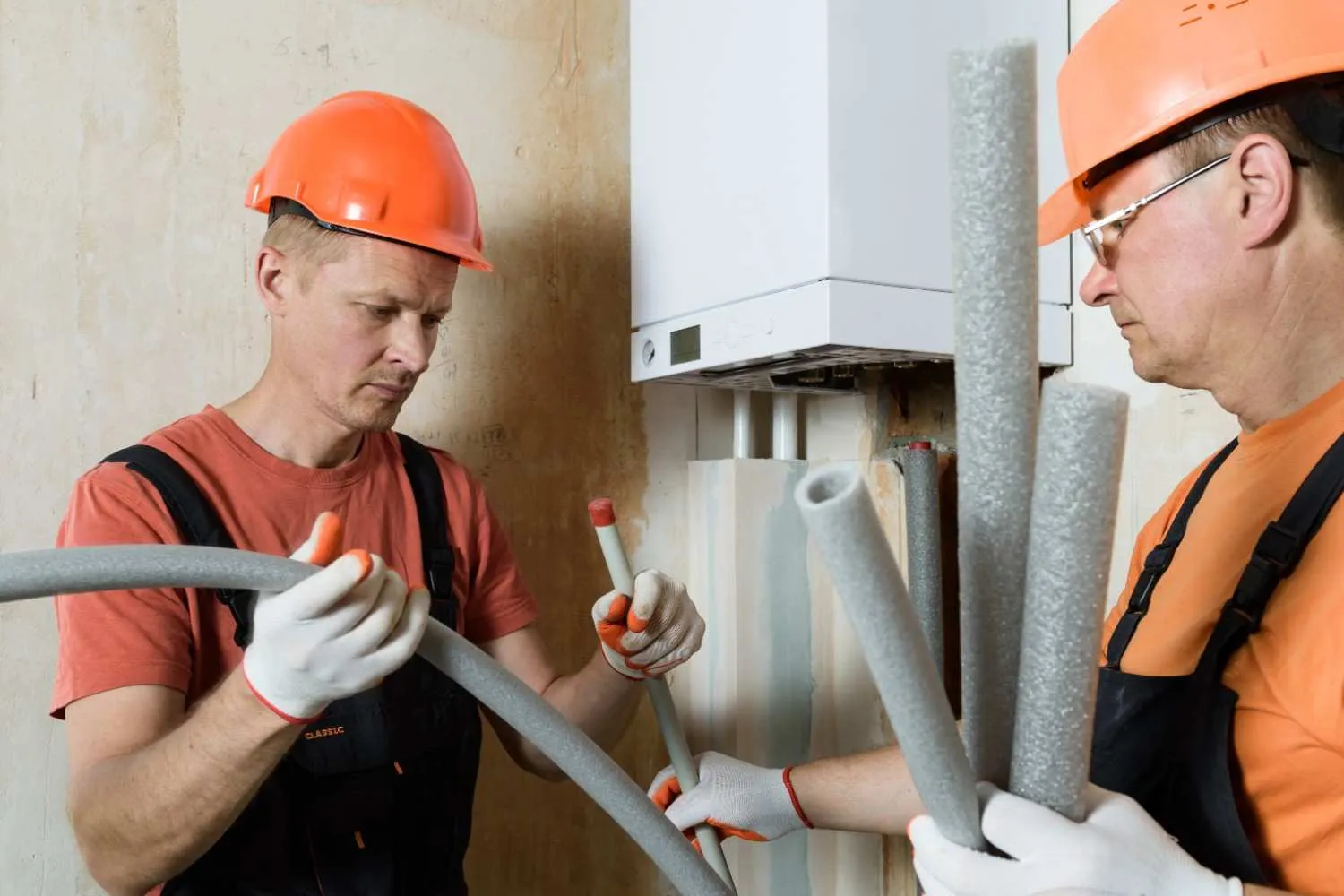
If you’ve ever watched someone learn how to install a gas furnace on a video and thought “that looks simple enough,” we need to talk. It isn’t. A furnace connects to your home’s gas line, your electrical panel, your ductwork, and a venting system that carries combustion gases out of your house. Get one part wrong and you’re not just dealing with a broken furnace. You’re dealing with a carbon monoxide risk or a fire hazard.
This guide breaks down the entire process the way a technician actually does it, not the simplified version you see on manufacturer pages. We’ll cover planning, the step-by-step install, the testing phase most companies skip, real cost numbers, and the mistakes that quietly raise your energy bills for years. 75 Degree AC put this together because too many Houston homeowners get a rushed installation with no real commissioning, and they don’t find out until winter when the system short cycles or the heat exchanger cracks early.
Can You Install a Gas Furnace Yourself? (DIY vs Professional)
Short answer: no, not legally, and not safely either.
Most cities, including Houston, require a licensed HVAC technician to pull a mechanical permit for any gas appliance installation. This isn’t red tape for the sake of it. A furnace installation touches your home’s gas supply line, and a bad connection can leak gas you can’t smell until it’s too late. Add in the electrical wiring for the blower motor and control board, and you’ve got two separate hazards that require certified hands.
Here’s what’s actually at stake with a DIY attempt:
- Gas leaks from improperly sealed fittings or the wrong pipe thread sealant
- Carbon monoxide exposure from a cracked heat exchanger or a poorly sealed flue liner
- Electrical fire risk from wiring that isn’t matched to a dedicated breaker
- Voided manufacturer warranty, since most furnace warranties require proof of professional installation
- Failed home insurance claims if damage traces back to unpermitted work
There’s also the part nobody talks about: even a technically working DIY furnace often runs inefficiently because nobody set the gas pressure or checked airflow. It might heat your home. It just won’t do it well, and your energy bills will show it.
If you’re set on understanding the mechanics anyway, our detailed walkthrough on How to Install a Furnace goes deeper into the technical side for homeowners who want to know what their contractor should be doing at every stage.
Before Installation: Assessment & Planning
A good installation starts long before anyone touches a wrench. This is the part that separates how to install a gas furnace that lasts 20 years from one that struggles by year eight.
Load calculation, not square footage guessing
A lot of homeowners assume how to install a gas furnace and it size is just about square footage. It’s not. A proper HVAC contractor runs a Manual J load calculation, which factors in insulation levels, window count and type, ceiling height, air leakage, and even which direction your house faces. Two identical-looking homes can need different furnace sizes because one has better insulation. Oversized furnaces short cycle. Undersized ones run constantly and still can’t keep up on a cold snap.
Ductwork evaluation
Old ductwork built for a smaller or less efficient furnace often can’t handle the airflow a new system needs. A technician checks duct sizing, looks for leaks, and confirms the supply and return air paths can actually move the CFM the new furnace requires.
Gas line and electrical inspection
The existing gas supply line has to be rated for the new unit’s BTU input. The electrical side needs a dedicated breaker sized correctly for the blower motor and control board.
Venting requirements
This one trips up a lot of installs. A standard 80 AFUE furnace vents through a metal flue. A high efficiency gas furnace installation, on the other hand, usually vents through PVC because the exhaust temperature is much lower. Mixing these up, or reusing an old metal flue liner for a new high-efficiency unit, is a common and dangerous mistake.
Furnace type and AFUE rating
Up flow, down flow, and horizontal units each fit different mechanical closet layouts. AFUE rating (how efficiently the furnace converts fuel to heat) affects both upfront cost and long-term energy bills. A single-stage furnace is the most affordable option. Two-stage and modulating furnace types cost more but run quieter and hold a more even temperature.
Permits
Local building codes require a permit and inspection for gas furnace installation in most Texas municipalities. Skipping this step isn’t just a legal risk. It means nobody outside your contractor ever verified the gas and venting connections were done correctly.
How to Install a Gas Furnace in Houston: Step-by-Step Process

This is the part everyone wants to see. Here’s what actually happens when a technician installing a gas furnace, done right.
- Safety shutdown. The technician shuts off power at the breaker and closes the gas shutoff valve before touching anything.
- Old furnace removal and disposal. The old unit gets disconnected from ductwork, gas line, venting, and electrical, then hauled out. This sounds simple but old fittings and rusted screws can slow this step down more than people expect.
- Site prep. The mechanical closet or basement area gets cleared and cleaned, including the duct entry points where dust and debris tend to build up over years.
- Positioning and leveling. The new furnace has to sit level. An uneven furnace cabinet can cause condensate drainage issues down the road, especially in high-efficiency models.
- Ductwork and plenum connection. The supply and return plenums connect to the furnace cabinet and get sealed with mastic or foil tape, not just standard duct tape, which fails within a year or two.
- Gas line connection and leak testing. This is where a gas pressure gauge comes into play. The technician connects the gas supply line and pressure-tests every joint before moving forward. No exceptions here.
- Electrical wiring. The blower motor, control board, and ignition system get wired to the dedicated breaker. A multi meter checks voltage and continuity before power gets restored.
- Venting or flue installation. Metal flue for standard efficiency, PVC for high efficiency. The venting has to slope correctly so condensate drains rather than pooling.
- Thermostat wiring and setup. The thermostat gets wired and programmed to match the new furnace’s staging (single-stage, two-stage, or modulating).
- Commissioning. This is the step most installers rush or skip entirely. A real commissioning process includes setting manifold pressure (typically 3.2 to 3.8 inches of water column for natural gas), calibrating gas input by clocking the meter, measuring static pressure and CFM airflow, checking temperature rise against the manufacturer’s spec, and running a combustion analyzer to confirm clean, safe combustion gases. Skip this and you might have a furnace that technically turns on but runs at the wrong input, wastes gas, and stresses the heat exchanger every single cycle.
- Final safety checks. Carbon monoxide detector test, flame sensor and ignitor check, and a full walkthrough with the homeowner.
If you’re comparing quotes for Furnace Installation in Houston, ask specifically whether commissioning is included. A lot of quotes quietly leave it out, and that’s exactly where corners get cut.
Tools & Equipment Professionals Use
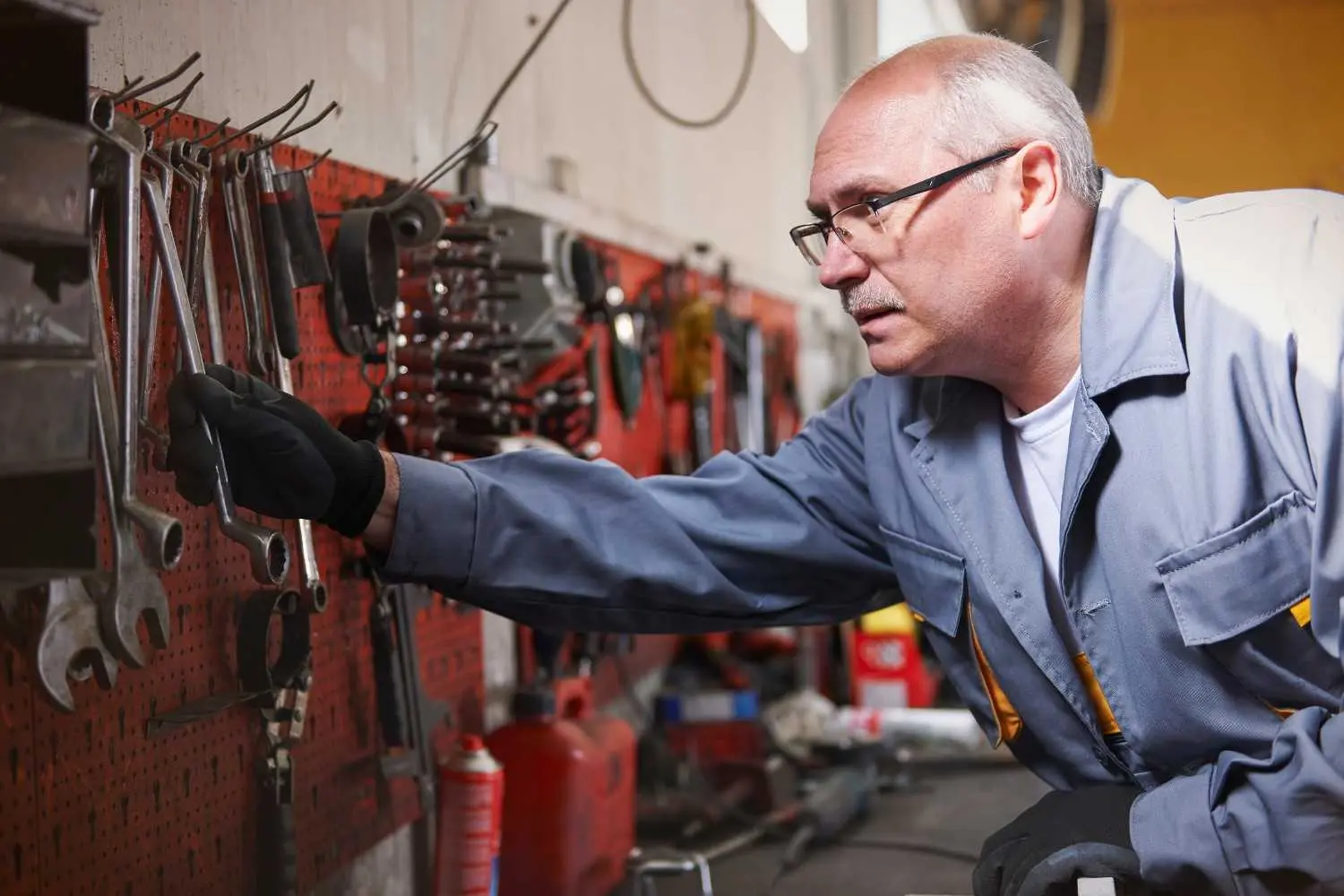
You can tell a lot about an installer by what’s in their truck. A proper install requires:
- Combustion analyzer to measure combustion gases and confirm safe, efficient burning
- Gas pressure gauge for manifold pressure and gas input calibration
- Multi meter for electrical safety checks
- Sheet metal tools for ductwork and plenum modifications
If a contractor shows up with none of this and just a basic toolbox, that’s worth asking about.
How Long Does Furnace Installation Take?
For a standard swap, where the new furnace matches the old one’s footprint and venting type, most installers finish in four to eight hours. Learning how to install a gas furnace on paper makes it sound like a quick job, and for a straightforward replacement, it mostly is.
Complex jobs run longer. Switching from an 80 AFUE furnace to a high efficiency gas furnace installation often means running new PVC venting and sometimes a condensate drain, which adds a few hours. Ductwork modifications, gas line upsizing, or electrical panel work can stretch a job into a second day.
Gas Furnace Installation Cost Breakdown (2026)
Costs vary based on unit tier, home layout, and how much of the existing system needs modification. Here’s a general range homeowners in the Houston area typically see:
|
Furnace Type |
Unit Cost | Labor Cost | Total Installed Range |
| Single-stage (80 AFUE) | $1,200 – $2,200 | $800 – $1,500 |
$2,000 – $3,700 |
|
Two-stage (90+ AFUE) |
$2,200 – $3,800 | $1,200 – $2,000 | $3,400 – $5,800 |
| Modulating/high efficiency | $3,500 – $5,500 | $1,500 – $2,500 |
$5,000 – $8,000 |
Additional costs to plan for:
- Ductwork modifications: $300 to $1,500 depending on scope
- New venting (PVC for high-efficiency units): $200 to $600
- Gas line upsizing: $150 to $500
- Permit and inspection fees: $75 to $300
Replacing a gas furnace usually costs less than the first installation in a home without existing gas infrastructure, since the gas line and venting path are already established.
Common Installation Mistakes (and Why They Cost You)
Incorrect sizing. An oversized furnace short cycles, meaning it turns on and off frequently instead of running a full, efficient cycle. This wears out components faster and leaves rooms unevenly heated.
Skipped commissioning. A furnace running on the wrong gas input might work for a while, but it burns more fuel than needed and puts extra stress on the heat exchanger. This is one of the most overlooked issues in the industry.
Bad duct sealing. Leaky ductwork can push energy bills up by 10 to 30 percent. It’s an easy thing to skip and an expensive thing to live with.
Skipping permits. Without an inspection, there’s no third-party check that gas and electrical connections were done safely. It also creates problems later if you sell the home and the buyer’s inspector flags unpermitted work.
Safety & Code Considerations
Carbon monoxide is the biggest reason gas furnace installation isn’t a DIY project. A cracked heat exchanger or a blocked flue can send CO into your living space with no smell or color to warn you. How to install a gas furnace should end with a working carbon monoxide detector near sleeping areas, not just near the furnace itself.
Look for a technician who is certified through a recognized industry program or works for a factory authorized dealer. These aren’t just badges. They indicate the technician has passed testing on real installation and safety standards, not just basic wiring knowledge.
Permits and inspections exist for the same reason. They’re not paperwork for paperwork’s sake. They’re a safety check performed by someone with no financial stake in cutting corners.
After Installation: What to Expect
Once how to install a gas furnace the new system is running, a few things need attention in the first year.
Filter schedule. Standard filters need changing every 60 to 90 days, more often if you have pets or run the system constantly during Houston’s mild winters.
First-year maintenance. A checkup before the next heating season confirms everything is still calibrated correctly and catches small issues before they become expensive ones.
Warranty registration. Most manufacturers require registration within 60 to 90 days of installation to activate extended parts warranties. This step gets missed more often than you’d think.
How to Choose a Qualified Installer
Ask these questions before signing anything:
- Are you licensed and insured in Texas?
- What certifications do your technicians hold?
- Do you perform a Manual J load calculation, or do you size by square footage alone?
- Does the quote include commissioning (manifold pressure, static pressure, combustion testing)?
- What’s covered under your workmanship warranty, separate from the manufacturer warranty?
- Will you pull the required permit?
A how to install a gas furnace contractor who hesitates on any of these is worth a second thought.
Conclusion
Knowing how to install a gas furnace, even at a basic level, helps you ask better questions and spot a rushed job before it becomes a costly one. The process involves a lot more than setting a box in place. It’s load calculations, gas pressure testing, proper venting, and a commissioning step that too many installers treat as optional.
If your furnace is on its last leg or you’re planning ahead for the next cold season, get in touch with 75 Degree AC. Our technicians handle every step, from load calculation through final combustion testing, so you get a system that actually runs the way it’s supposed to, not just one that turns on.
FAQs
Can I install a furnace myself?
No. Most areas, including Houston, require a licensed technician and a permit for gas furnace installation because of the gas line and venting work involved.
How long does installation take?
A standard replacement takes four to eight hours. Complex jobs involving new venting or ductwork can take a full day or longer.
What’s the average cost?
Total installed cost typically runs from $2,000 for a basic single-stage unit to $8,000 for a high efficiency modulating furnace, depending on home size and system complexity.
What size furnace do I need?
The right size comes from a Manual J load calculation, not square footage alone. Insulation, window count, and layout all factor in.
What’s the best time of year to install a furnace?
Late spring through summer, before the winter rush. Off-season installation often means faster scheduling and sometimes better pricing.
What happens if the furnace is sized wrong?
An oversized unit short cycles and wears out early. An undersized one runs constantly and still can’t keep the home comfortable during cold snaps.
Is a permit required?
Yes, in most Texas municipalities including Houston. It ensures gas and electrical connections meet code and get inspected by a third party.

