
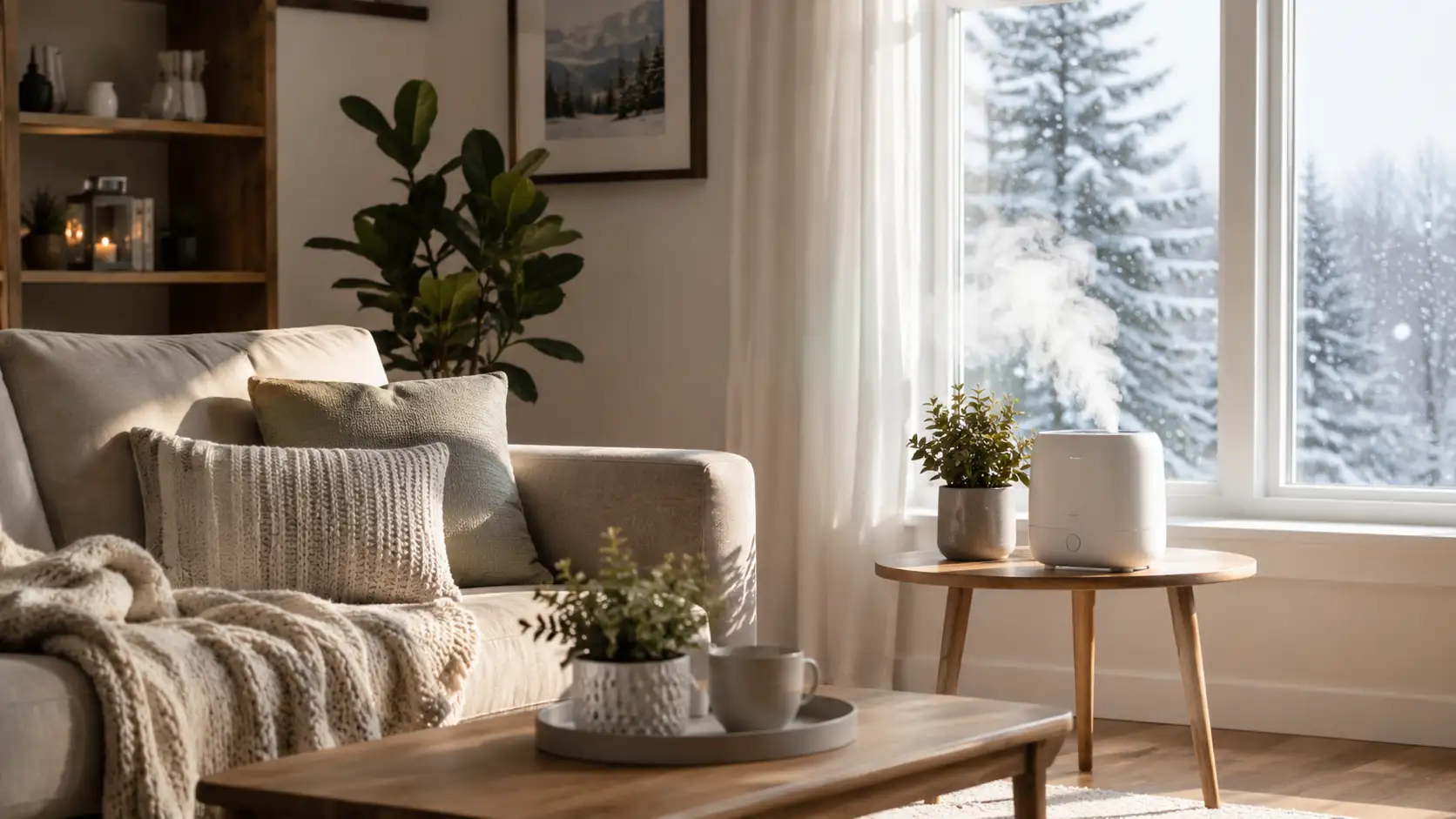
The majority of home owners ensure their windows and doors are closed and sealed shut during the colder months. Not only does this help with the reduction of energy loss to keep you warm it actually traps household dust, allergens and animal dander as well as other indoor pollutants. Because of this, indoor air quality usually decreases in the winter due to dry air, allergy attacks, irritating airways and bad smells.
Understanding how to increase the indoor air quality in the winter can assist you in keeping your house comfortable and healthy for the entire heating season. At 75 Degree AC we assist home owners maintain clean indoor air and improve the efficiency of their HVAC system to keep them comfortable and healthy for winter. Maintenance, filtration, humidity and ventilation of HVAC systems is an important aspect to healthier indoor air.
Why Indoor Air Quality Gets Worse During Winter
Air indoors tends to get worse with winter conditions. Because houses have to remain sealed for much of the winter months, there is less opportunity for new outdoor air to enter your house.
Reasons why winter indoor air quality tends to decline more during the winter include:
- Windows are closed to keep the indoor air warm at all times
- Heating systems run constantly
- Dust has settled inside the house
- Ductwork clogged air
- Filters from pets and other allergens
- Low humidity in the home
- Fire and candles smoke cleaning products and other household chemicals
Over weeks, even months, this means you’ll be breathing air that has contained this dust and other pollution a great deal for extended periods.
Read more How Does an Air Purifier Work
Indoor Air Pollution Causes and Solutions
Knowledge of indoor air pollution causes and remedies allow the homeowner to implement proper actions.
Common Indoor Air Pollutants
Pollutants in the home environment may be:
- Dust mites
- Dander from fur and skin shed by animals (pets)
- Molds and mold spores
- Pollen
- Volatile Organic compounds (VOCs)
- Smoke from cooking
- Smoke from a fireplace
- Carbon Monoxide from an unsafe heating system
Practical Solutions
You can create cleaner indoor air by:
- Changing your HVAC filters on a regular basis
- Having seasonal maintenance done on your HVAC system
- Running an exhaust fan while cooking or showering
- Maintaining indoor humidity levels at 30-50%
- Vacuuming with a HEPA filter vacuum cleaner
- Reducing the accumulation of dust, debris and “junk”
- Utilizing an air purifier if necessary
- Opening up the home for ventilation when outdoor air is clear
These combined measures can result in cleaner indoor air, while also lessening the workload of your HVAC system.
Read more about How to Test Indoor Air Quality
HVAC Air Filter Replacement Schedule Winter
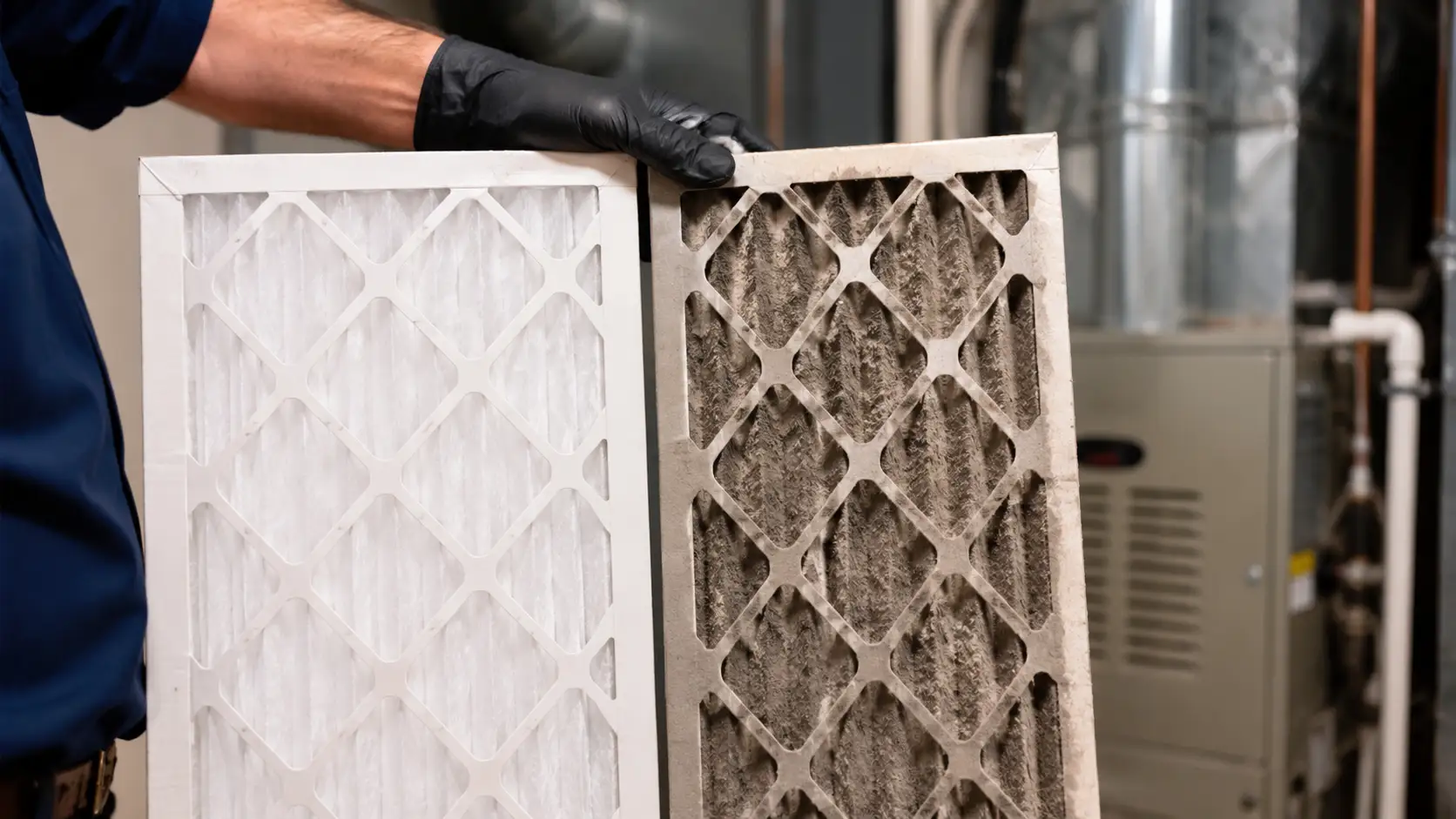
One of the simplest ways to improve indoor air quality is following the proper HVAC air filter replacement schedule winter.
During winter, your furnace often runs for many hours each day, causing filters to collect dust much faster than during milder seasons.
General Filter Replacement Guidelines
- Standard 1-inch filters: change every 30-60 days
- Houses with pets: change every 30 days
- Individuals with allergies: change every 30-45 days
High-efficiency filters: change every 60-90 days or the amount recommended by the filter manufacturer
A clogged filter may:
- Limit airflow
- Raise heating costs
- Lower efficiency
- Release more dust into your air
- Lower HVAC equipment lifespan
Always use a filter rated with a MERV that the HVAC manufacturer recommends to preserve air flow.
How to Reduce Dry Air in House During Winter
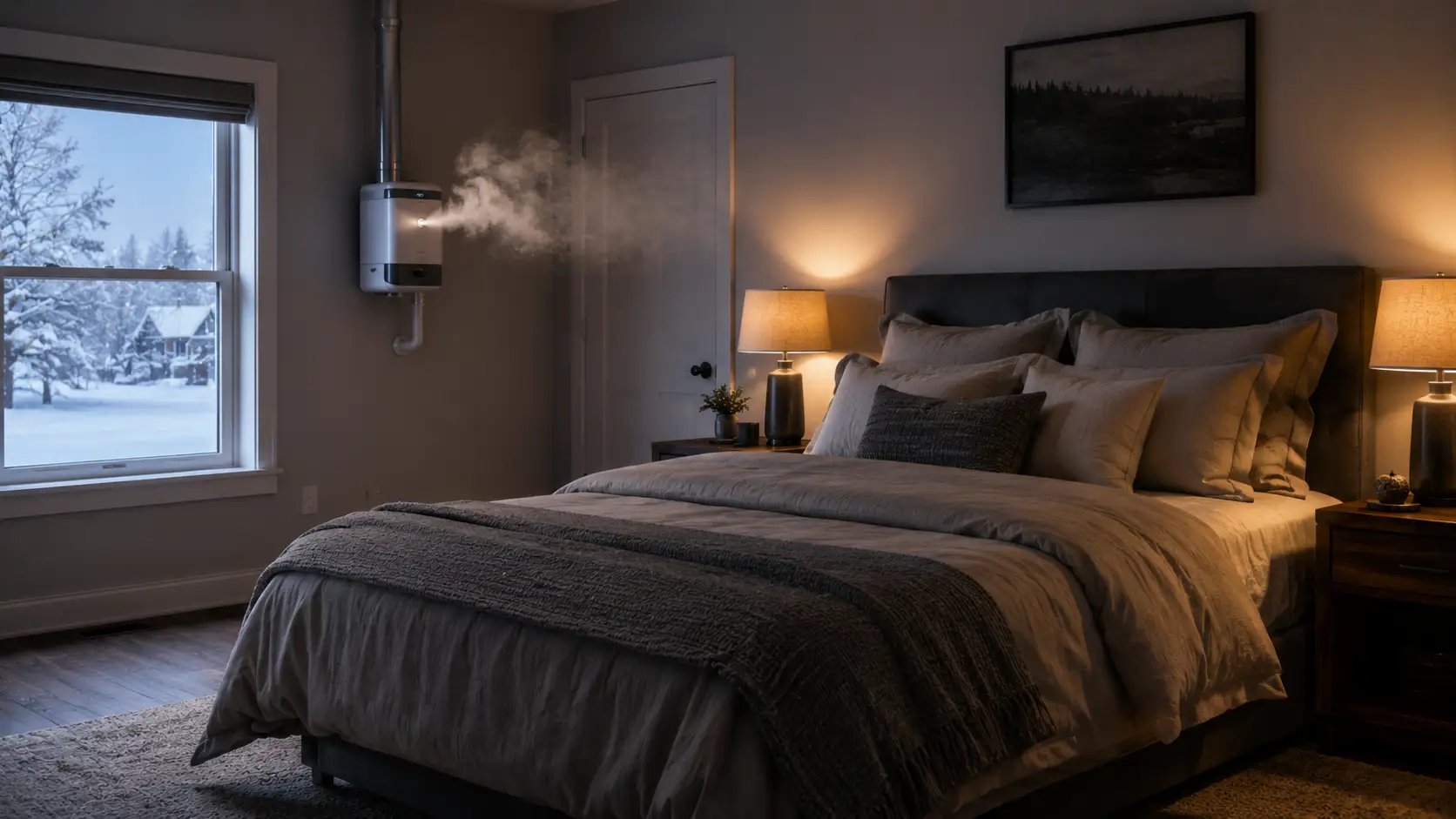
In the wintertime, the most common complaints are dryness. Dry indoor air is by far the top winter comfort complaint.
As the heating system heats the building, the indoor air becomes more and more dry. With dry indoor air comes dry skin, scratchy sinuses, dreaded snit fleas and even damage to the luxury wood furniture.
If you want to know how to lower dry air in the house in winter, you can use these easy ways.
Install a Whole-Home Humidifier
A humidifier wired directly to your HVAC system will control comfort humidity in the entire house.
Use Portable Humidifiers
Small humidifiers find good application in their effective use in bedrooms and other living room where it is required for repeated use.
Keep Indoor Humidity Between 30%-50%
This range helps prevent:
- Dry skin
- Nose irritation
- Static electricity
- Cracked wood flooring
- Overgrowth mold from too humid environment
HVAC Tips!
Check Heating Maintaining your heating system not only delivers air throughout the room but also help balance the interior comfort.
Improve Ventilation Without Losing Heat
Ventilate the Indoors without Losing All Your Heat Just because it’s freezing cold outside doesn’t mean the air inside doesn’t get stale.
So how can you ventilate your house to prevent it from feeling like you’re living in a contained fishbowl, yet stop losing your heat? Use bathroom exhaust fans (especially after showers). Run your kitchen exhaust fans while you’re cooking. Install an HRV (Heat Recovery Ventilator) or ERV (Energy Recovery Ventilator). If it’s mild on a winter day, you could also briefly open a window. The modern ventilation systems replace the stale, polluted air inside your house with fresh outside air without you losing all your heat!
Keep Your HVAC System Clean
Clean Your HVAC system Your HVAC system circulates air throughout your home and any time there’s dust or allergens circulating you run on a dusty or dirty HVAC system – don’t let it!
If you have your HVAC system professionally maintained annually this cleaning usually consists of:
- Furnace check
- Blower cleaning
- Coil check
- Safety tests
- Thermostat calibrated
- Filter replacement
- Air flow test
A well- maintained system also becomes an efficient one.
Other Tips for Improved
Indoor air Quality Daily routines can also have significant effects.
Some excellent ways to improve the quality of your indoor air this winter include:
- Dust furniture with micro-fiber cloths
- Weekly Vacuum carpets (use a vacuum that has a HEPA filter)
- Wash bedding weekly
- No wearing shoes when you’re at home “Clean air and great taste”
- Don’t smoke indoors
- Avoid aerosol spray cans and perfumed candles Unblock ventilation
- Ensure air vents on walls and in the house do not get blocked
- Air purifier for the whole house may be necessary for people with allergies.
Warning Signs of Poor Indoor Air Quality
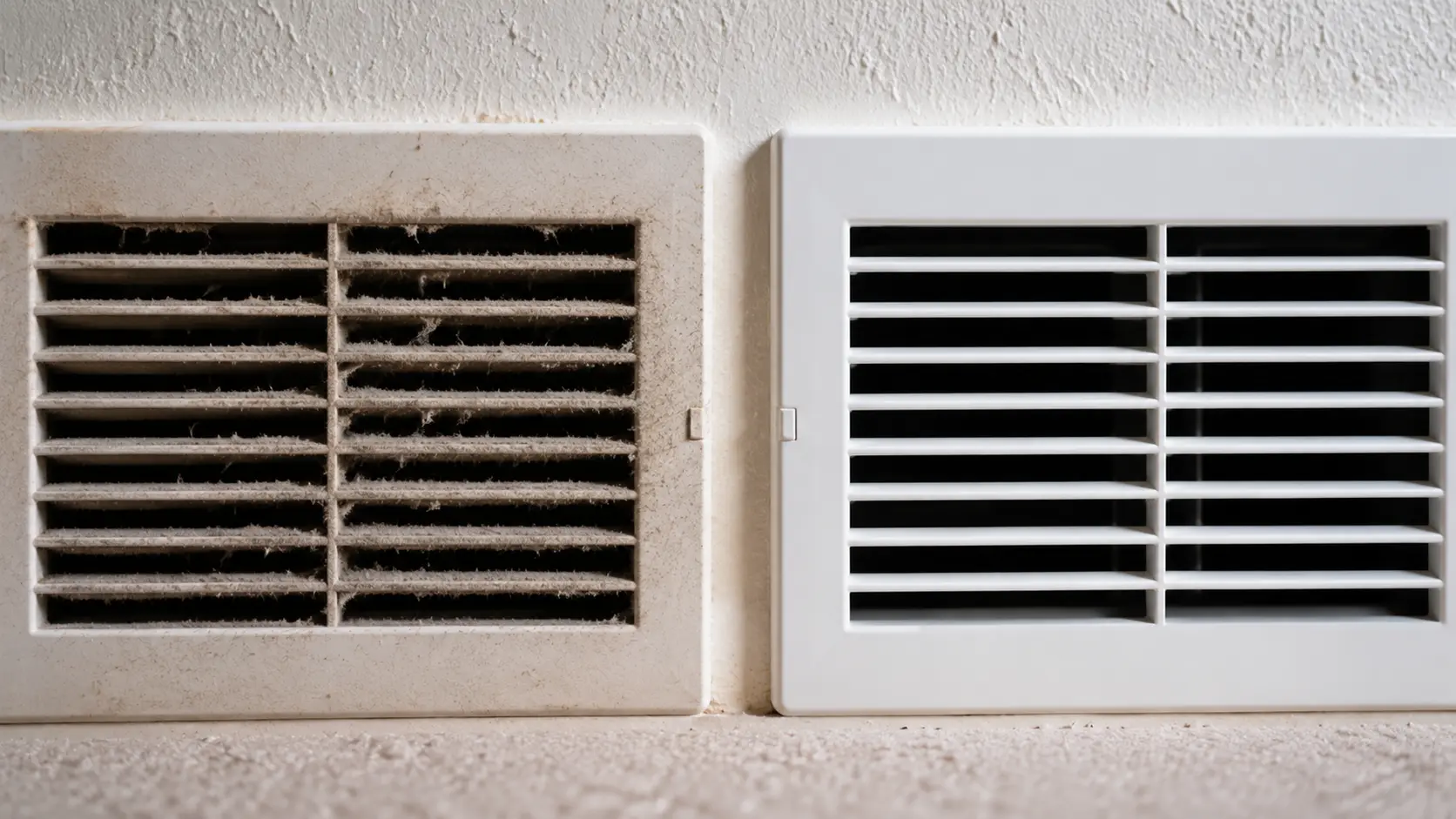
There are a number of indications you should consider scheduling a professional inspection. If you experience many of these:
- Excess of dust in your home.
- Dry eyes or throat.
- Repeated allergic responses.
- Stubborn odors inside your home.
- Chronic static cling.
- Temperature inconsistencies in different rooms.
- Excessive indoor dryness of the home.
- Heightened respiratory congestion or sensitivity.
If you’re still experiencing the issue, the filter replacement didn’t solve your issue, so let’s see what professional attention can do.
Why Select 75 Degree AC?
We provide indoor air quality testing service that makes healthier indoor air.
Indoor quality at 75 Degree AC We use HVAC service, furnace repair and heating repair service from reliable HVAC technicians so that you will get high quality indoor quality on your property that makes sure everyone stays safe indoors when it is too hot and too cold.
From routine system checkup & filter change to more comprehensive air filtration improvements and humidity control systems in your house. You always remain our primary concentration and concern when providing excellent system checks.
Final Thoughts
The right knowledge on how to better your indoor air in the winter ensures your family is healthy and your AC runs efficiently. Educate yourselves on how poor air indoors is created, discover the air quality solutions in homes, maintain the HVAC air filter replacement winter guidelines and on how to get rid of the dry house air during winter, breathe healthy this winter.
For services that can improve the quality of your indoor air at home, contact 75 Degree AC for all air filter services, maintenance, and other air quality improvements. Feel good breathing every indoor breath; visit 75 Degree AC now to get your indoor air test.
FAQs
Why does the air in my house feel so much worse once winter hits?
Mostly because your home turns into a sealed box for months at a time. Windows stay shut, the furnace runs nonstop, and all that dust, pet dander, and stale air just keeps recirculating instead of getting flushed out. Add in low humidity and you’ve got a recipe for stuffy, irritating indoor air.
How often do I actually need to swap out my HVAC filter?
It depends on your setup. A basic 1-inch filter usually needs changing every 30 to 60 days, but if you’ve got pets or someone in the house deals with allergies, lean closer to the 30-day mark. Higher-end filters can stretch to 60-90 days, though it’s worth checking what your specific unit’s manufacturer recommends.
What’s the ideal humidity level for a house in winter?
Somewhere between 30% and 50% is the sweet spot. Go lower than that and you’ll deal with dry skin, cracked wood floors, and annoying static shocks. Go much higher and you’re inviting mold so it’s really about finding that middle ground.
Is there a way to get fresh air in without freezing the house out?
Yes, and it doesn’t have to mean cracking a window all day. Running your bathroom fan after a shower or your kitchen exhaust while cooking helps a lot. If you want something more permanent, an HRV or ERV system exchanges stale indoor air for fresh outdoor air without dumping your heat outside with it.
How do I know if my indoor air quality has actually gotten bad?
Usually it’s a handful of small annoyances stacking up more dust than usual settling on surfaces, dry throat or eyes in the morning, allergies acting up more than normal, or a musty smell that won’t go away no matter how much you clean. If a few of these sound familiar, it’s probably time to get things checked out.
Does getting my HVAC system professionally serviced really make a difference?
It genuinely does. A yearly tune-up covers things homeowners can’t easily check themselves cleaning the blower and coils, testing airflow, calibrating the thermostat, replacing filters properly. A system that’s been looked after simply pushes cleaner air through your home, especially during the months it’s working overtime.