
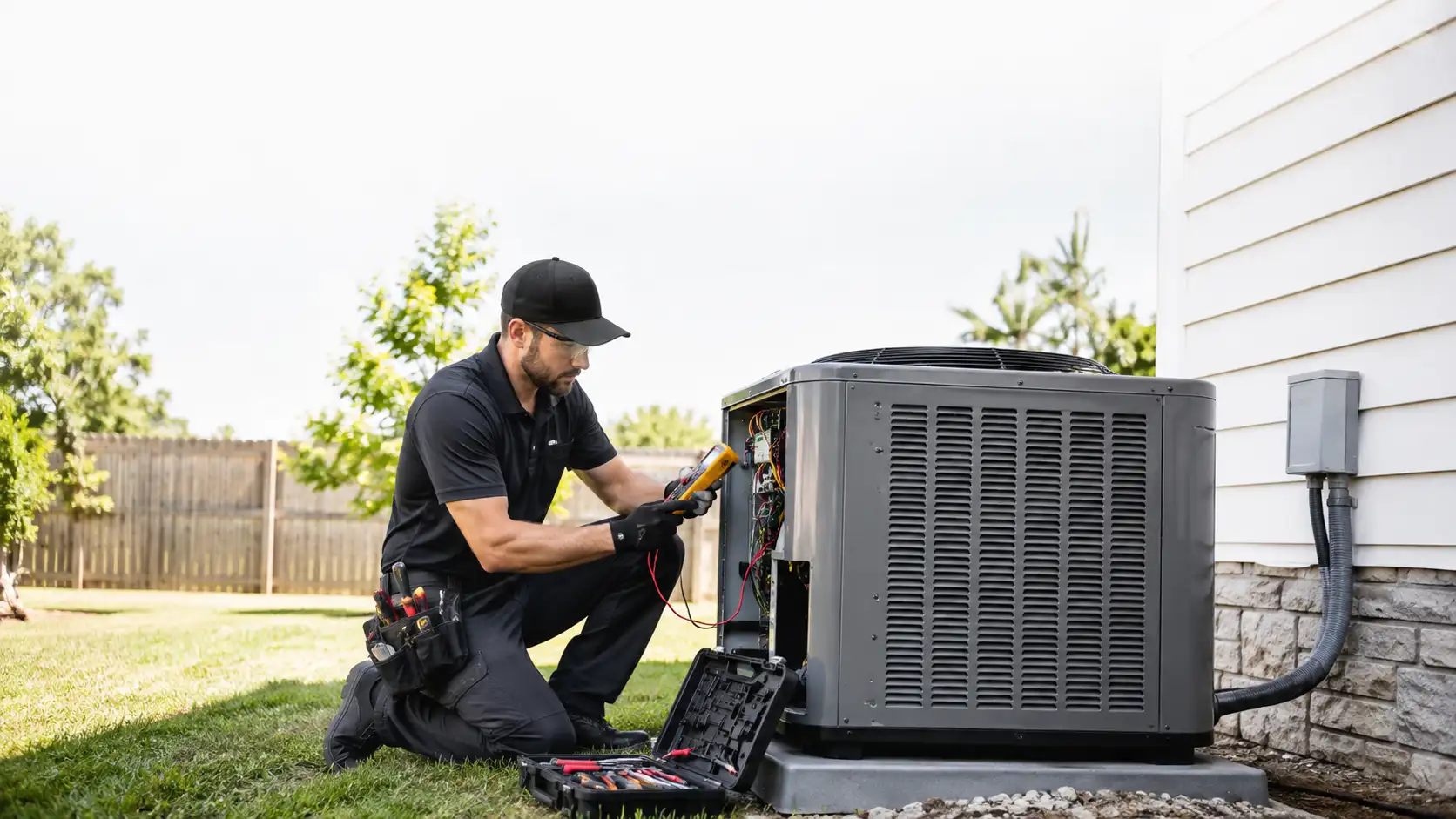
When you’re using the air conditioner to cool down in the summer or heat up in the winter, regular maintenance will do it well. But what is an AC tune-up, exactly, and why is it so important? An AC tune-up is a qualified agent examining all the vital components of your system and running your system to identify any issues that could be there awaiting diagnosis and resolution.
A tune-up nonetheless is not a ‘fix’ if an air con is not working. Preventative maintenance lets a technician visually inspect the system and perform minor adjustments, repairs, and part replacements before they become major overhauls – instead of waiting for a catastrophic collapse.
What Does an AC Tune Up Include?

A lot of us ask the question: what does an AC tune up include? But typically a professional tune-up will consist of some or all of the following. At the very least, however, a professional tune-up will usually include some or all of the following.
Inspection of Air Filter
The technician checks and assesses the air filter for dirt or other foreign material. When a filter is blocked, it limits the flow of air, and the AC has to work harder to move air out. The technician might also recommend that you clean or replace the filters, depending on what type of filter you have. But typically, a professional tune-up will consist of some or all of the following. At the very least, however, a professional tune-up will usually include some or all of the following.
Thermostat Check
The thermostat determines when your air conditioner turns on and off. They may also check the thermostat during the tune-up and make sure that it’s functioning properly with the HVAC system. If the thermostat is reading incorrectly or not working properly, your home could be driving up energy bills trying to maintain that temperature level.
Electrical Components Check-up
Wiring, capacitors, contactors, connections? These are just some of the electrical parts an air conditioner (AC) has. A technician will be able to examine these parts for any damage or wear. Wendell also points out that loose connections can cause the system to run poorly and potentially be a fire hazard, so again, this is a very important part of the professional tune-up.
Cleaning the Condenser Coils
Over time, the outside condenser unit collects dirt, leaves, grass clippings, and other debris. A dirty condenser coil will prevent the dissipation of heat from the system. When you do maintenance, a technician may wash the outdoor unit and remove clutter from around it. Keeping a good clearance around the condenser may also help the airflow greatly.
Evaporator Coil Check-up
The evaporator coil can be found in the indoor section of most AC units. It is a key component for air conditioning.
A service technician can look at the coil to see if it’s dirty or has any other issues. A clogged evaporator coil will limit airflow and chill the coil to the point where it will freeze.
Refrigerant Inspection
Refrigerant is integral to the cooling operation. The level of refrigerant can be checked by a technician as well, to determine if there is a leak or another problem.
Refrigerant levels dropping might indicate a leak or some other problem with your system. Instead of attempting to do refrigerant work yourself, have a professional do it.
Condensate Drain Inspection
Air conditioners pull humidity from indoor air as they operate. That moisture needs to be drained by the condensate line.
The drain line and pan can also be checked by a technician for any blockages.
Maintaining a clean condensate system could also help prevent moisture problems.
Blower and Airflow Balancing
How the Blower Works in Your Home? The blower forces the heated or cooled air into the ducts of your home. The technician can also check blower function and airflow while you wait.
There are many reasons your airflow may be reduced, including clogged filters, ductwork issues, blower problems, or blocked vents.
Read more Complete Heating & AC Service Guide for Houston Homeowners
What Does AC Maintenance Include?
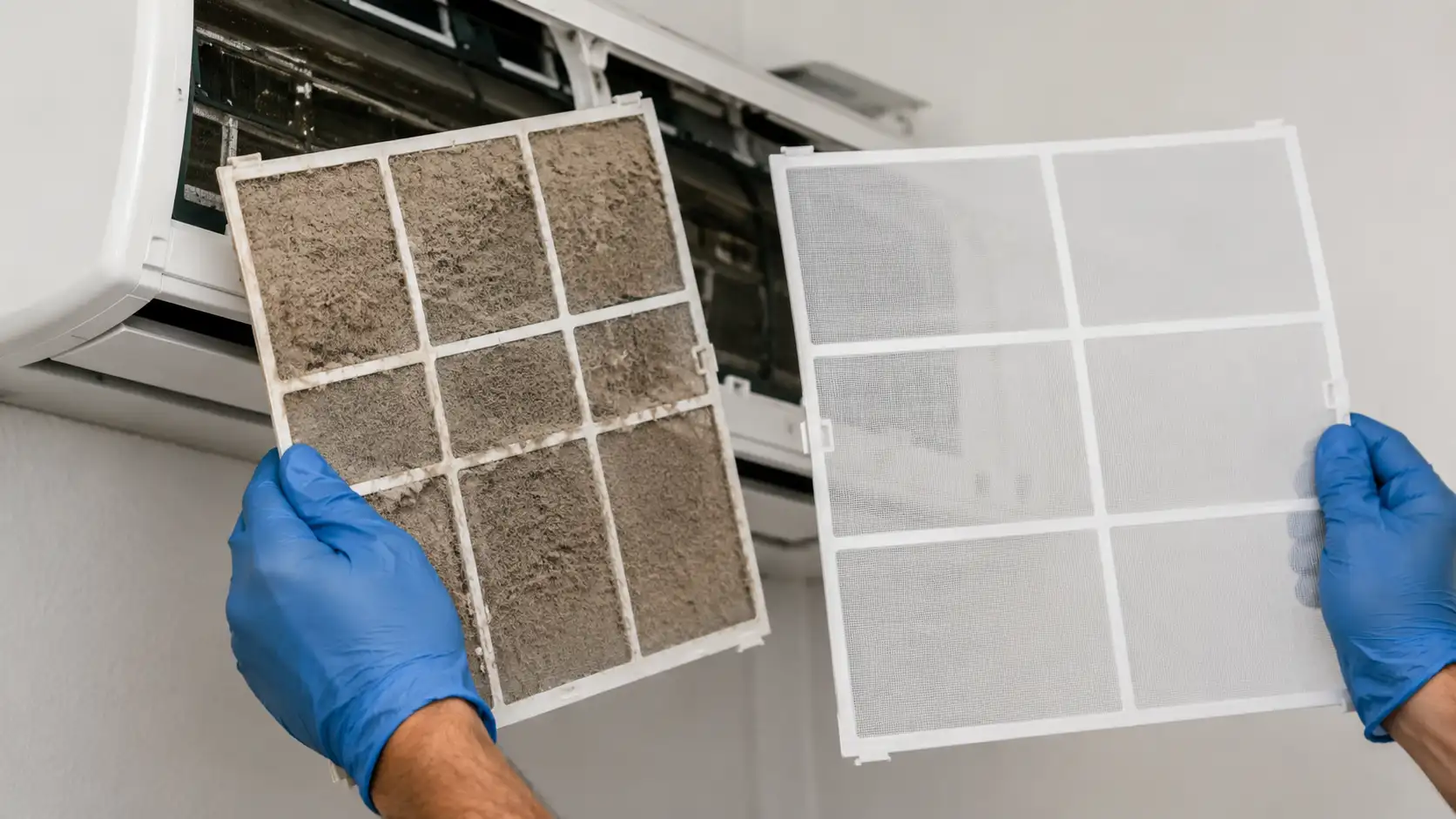
If you are wondering what is included in AC maintenance, then that is going to depend on the service package you opt for. In general, maintenance of an AC is a set of preventive measures to be taken for ensuring that the system is clean, running efficiently, and working properly.
- Examine indoor and outdoor units.
- Clean the condensate drain hose
- Test electrical connections
- Inspect refrigerant-related components. Clean coils when necessary.
- Test the air filter. Inspect the condensate drain.
- Test thermostat operation
- Check airflow (under normal running conditions)
- Examination of the blower.
- Monitoring system performance
Routine maintenance cannot prevent an air conditioner from breaking down. But they can warn you about problems or potential problems before they become big problems.
What Is an Air Conditioner Tune Up Compared With a Repair?
So what is an air conditioner tune-up, and how is it different from an air conditioner repair? A tune-up is preventive maintenance. It may still be running when you book the service. The technician inspects the equipment and conducts routine service to help prevent problems.
However, a repair is done when a particular issue has already occurred. An air conditioner that stops cooling, makes strange noises, leaks water, or won’t start is just a few signs that it needs an upgrade or replacement.
A tune-up will detect a repairable problem, but these are two different services with different objectives.
How Often Should You Get an AC Tune Up?

Regular professional maintenance for many home air conditioning systems is a good rule of thumb. Spring is typically a good time because the unit can be checked out ahead of the warmest portion of the cooling season.
If you have a home HVAC system for heating and cooling, you might need seasonal upkeep for both sides.
Systems that are older, are heavily used, or are in very dusty environments might need extra care. 75 Degree AC can advise you on a maintenance routine specific to your equipment and usage.
Is an Air Conditioner Maintenance Plan a Good Value?
Many HVAC companies provide A/C maintenance plans that include periodic inspections and additional perks during the year.
Depending on the company, a maintenance agreement for your system may include a certain number of tune-ups per year, discounts on repairs, priority service, and/or waived service fees.
How worthwhile a maintenance plan is depends on the age and state of your system, the frequency of its use, and on what exactly the plan covers.
Before you buy one, read the fine print. Find out if replacement parts, emergency repairs, refrigerant, major repairs, and extra service calls are included or if you have to pay extra.
Read more How to Choose a Heating and Air Conditioning Contractor
Benefits of Regular AC Maintenance
Regular upkeep may offer a number of potential advantages for homeowners.
Lower Energy Bills
A clean, well-maintained system typically has an easier time running its cooling cycle. This can help conserve energy and prevent the system from working harder than it needs to improve.
Preventative inspections can detect worn or broken parts that will damage the entire system. Early corrections of small problems can lead to enhanced reliability.
Consistent Cooling
It’s natural that airflow obstructions, dusty coils, or other elements can affect air conditioning performance. Regular maintenance will ensure that key areas of your system are running efficiently.
Possibly Longer Equipment Life
An air conditioner is a big purchase. Routine maintenance can eliminate unneeded stress on parts and allow for the equipment to run for its designed life.
Fewer Surprises
No routine maintenance will keep equipment from breaking down. However, early detection of problems during planned inspections may help to significantly minimize the probability of surprise breakdowns.
Can You Do an AC Tune Up Yourself?
Certain routine maintenance can be done by the homeowner from time to time, like changing a throwaway air filter, raking around the outside unit to keep that clear of leaves and other debris, and ensuring that vents remain unobstructed.
But professional AC maintenance deals with electrical components, refrigerant lines, and specialized equipment. These procedures are best left to the HVAC technician.
Attempting to do complex repairs on your own without the right knowledge can harm the system and even cause safety risks.
Indications That Your Air Conditioner Is Due for Maintenance
It might be time for a checkup if you see:
- Diminished cooling efficiency
- Poor airflow from vents
- Strange noises
- Elevated energy bills
- Repeated cycling
- Water near the indoor unit
- Odd smells
- Trouble holding the thermostat setting
- An outdoor unit that looks dirty or blocked
These indicators do not always mean that your system needs just a tune-up. Some symptoms mean a repair may be needed, so have it diagnosed by a technician.
Concluding Remarks
So, what does an AC tune-up involve? It is a preventive HVAC maintenance service during which the air conditioning system’s salient components are inspected, cleaned, tested, and calibrated. Knowing what an AC tune up includes is important in letting the homeowners consider what they are spending for and what makes the Home AC service a necessity.
A professional service visit might involve the inspection of filters, electric elements, coils, refrigerant elements, airflow, the condensate drain, thermostat, and system performance.
Run the best in A/C maintenance and repair For the best in A/C maintenance and repair, contact us. The best strategy is to adhere to the manufacturer’s guidelines for maintenance and to consult with a qualified HVAC technician who can determine your system’s individual requirements.
FAQs
What is an AC tune-up?
An AC tune-up is a routine maintenance service where an HVAC tech checks out, cleans, tests, and calibrates key parts of an air conditioner system. Identifies potential problems and ensures the system is running efficiently.
What is covered in an AC tune-up?
A typical tune-up can include inspecting the air filter, thermostat, electrical wiring, coils, refrigerant levels, condensate drainage, blower wheel, and airflow, as well as monitoring overall AC system operation. Services usually, but not always, include:
When should I get an AC tune-up?
A seasonal professional cleaning is recommended for most residential air conditioners. In many cases, spring is a good time to perform maintenance before the cooling season.
What is included in AC maintenance?
Generally speaking, getting your AC serviced involves a look under the hood that includes: cleaning and inspecting components, tightening electrical connections, testing the thermostat, evaluating airflow, inspecting the condensate drain line, and looking for signs of wear and tear or potential issues in the system.
Do A/C maintenance plans have any value?
Service plans for a/c are worthwhile if the plan includes regular tune-ups, discounts, priority service, or other perks that suit your needs. Know what services and repairs you are signing up for before you enroll, please.

