
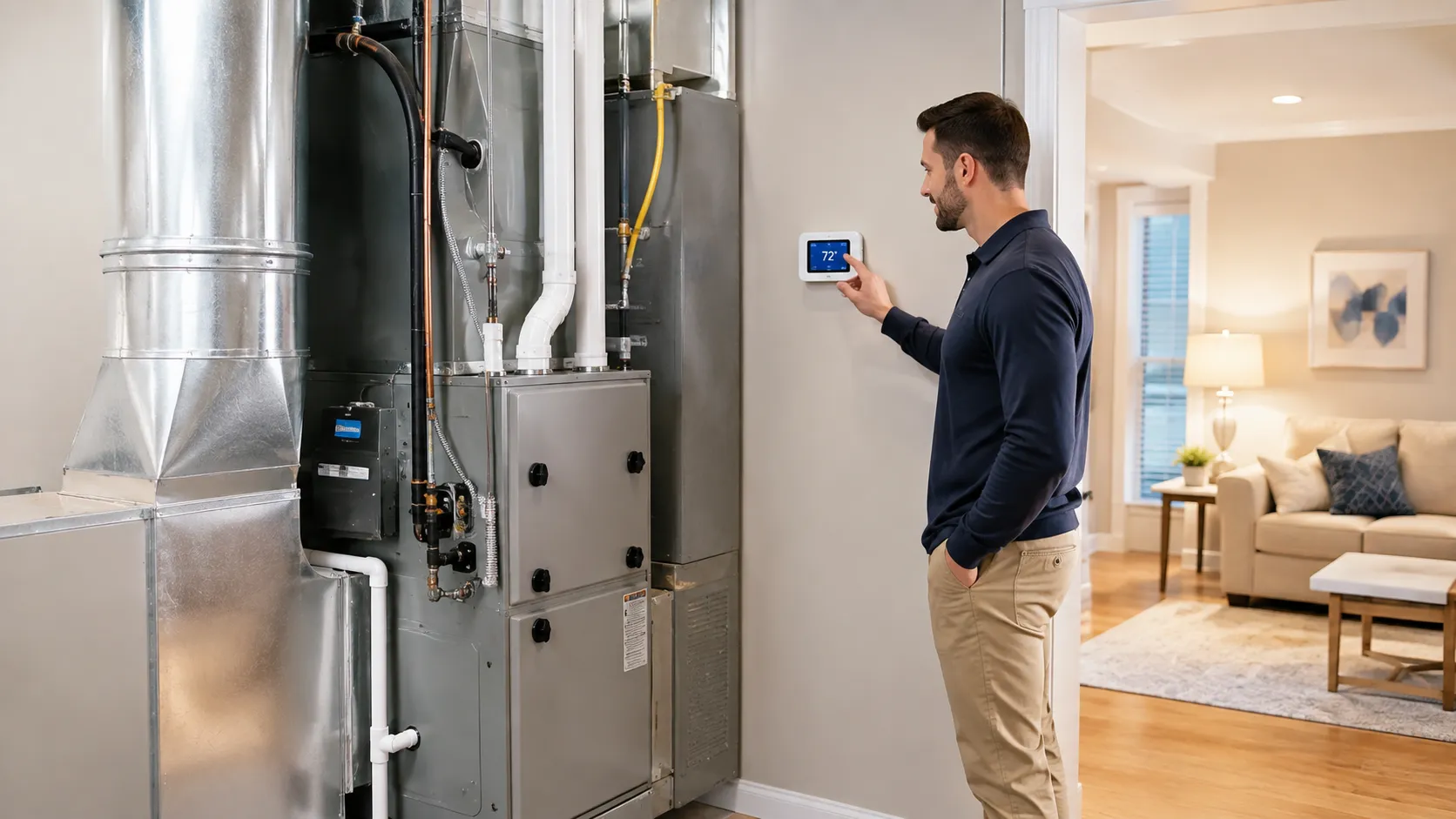
Choosing the right size furnace is undoubtedly one of the most vital decisions to make when installing or replacing a heating system. The properly selected heating system size is crucial for providing comfort in the house, ensuring the unit’s efficiency, and reducing energy costs. On the other hand, wrong calculations can lead to a number of problems, and purchasing the wrong equipment may prove to be ineffective and expensive.
If you wonder what size furnace do I need, it is essential to consider several factors, such as the square footage, the home’s insulation, the local climate, the number and type of windows, and the height of ceilings, among others. It is necessary to calculate how much heat is lost since the furnace’s size will be determined by the amount of heat that needs to be replenished in the house.
How Many BTU Furnace Do I Need?
If you are asking how many BTU furnaces do I need, you should know that the square footage of your home is not the only consideration.
Some of the other factors that may affect the calculations are
- Home size and floor plans,
- Temperatures,
- Insulation,
- Number of windows and exterior doors,
- Ceiling height,
- Number of floors,
- Home orientation,
- Air leaks and drafts,
- Ductwork condition,
- The desired temperature.
Read more How Long Does a Furnace Last
Furnace Size by Home Square Footage
Square footage can give one a general idea, but it should not be relied on when it comes to the final calculation.
A small house that is well insulated will not need as large a furnace installation as a larger house that is not insulated at all.
Say you have two 1,500-square-foot homes: one could have modern insulation, the other could have drafty windows, no insulation in the attic, and old weather stripping on the doors; if this is the case, then the second home would need a much larger furnace to adequately heat the home.
Read more about the What Is a Furnace
Furnace Load Calculation Manual J
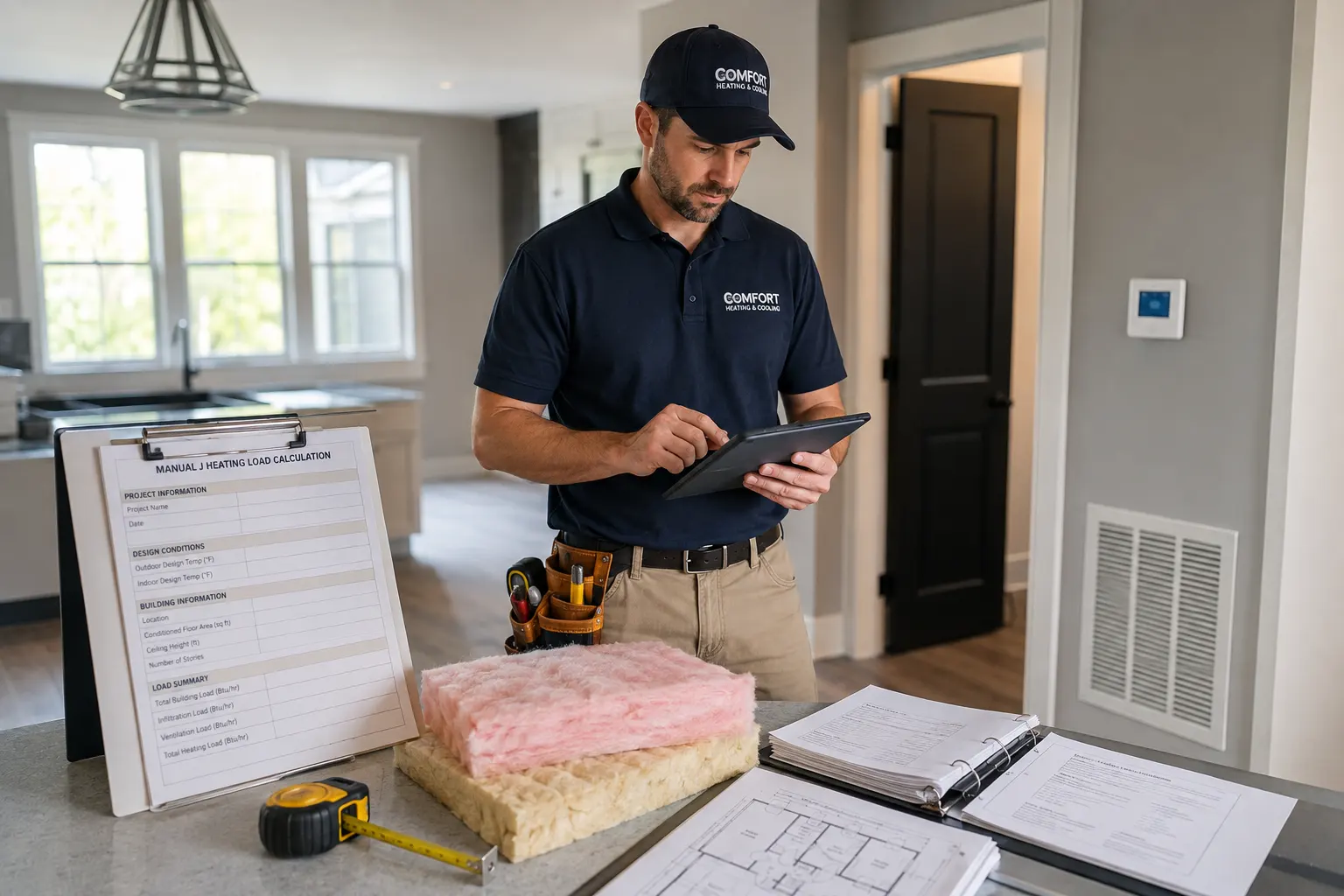
The most accurate way to size a furnace is using a furnace load calculation (Manual J).
Manual J is a method of calculating the heating and cooling requirements for a residential building based on the characteristics of the house.
The calculation takes into account many factors including:
- Outdoor design temperature
- Indoor design temperature
- Wall insulation
- Attic insulation
- Floor construction
- Window type and size
- Door construction
- Air infiltration
- Building orientation
- Building size
- Number of occupants and other factors.
This results in a more accurate assessment of the heating needs for many homes.
Once a Manual J calculation has been completed and your contractor has an accurate assessment of your heating needs, then he should be able to recommend equipment based on those calculations rather than just a rough rule of thumb such as square footage.
What Happens If a Furnace Is Too Small?
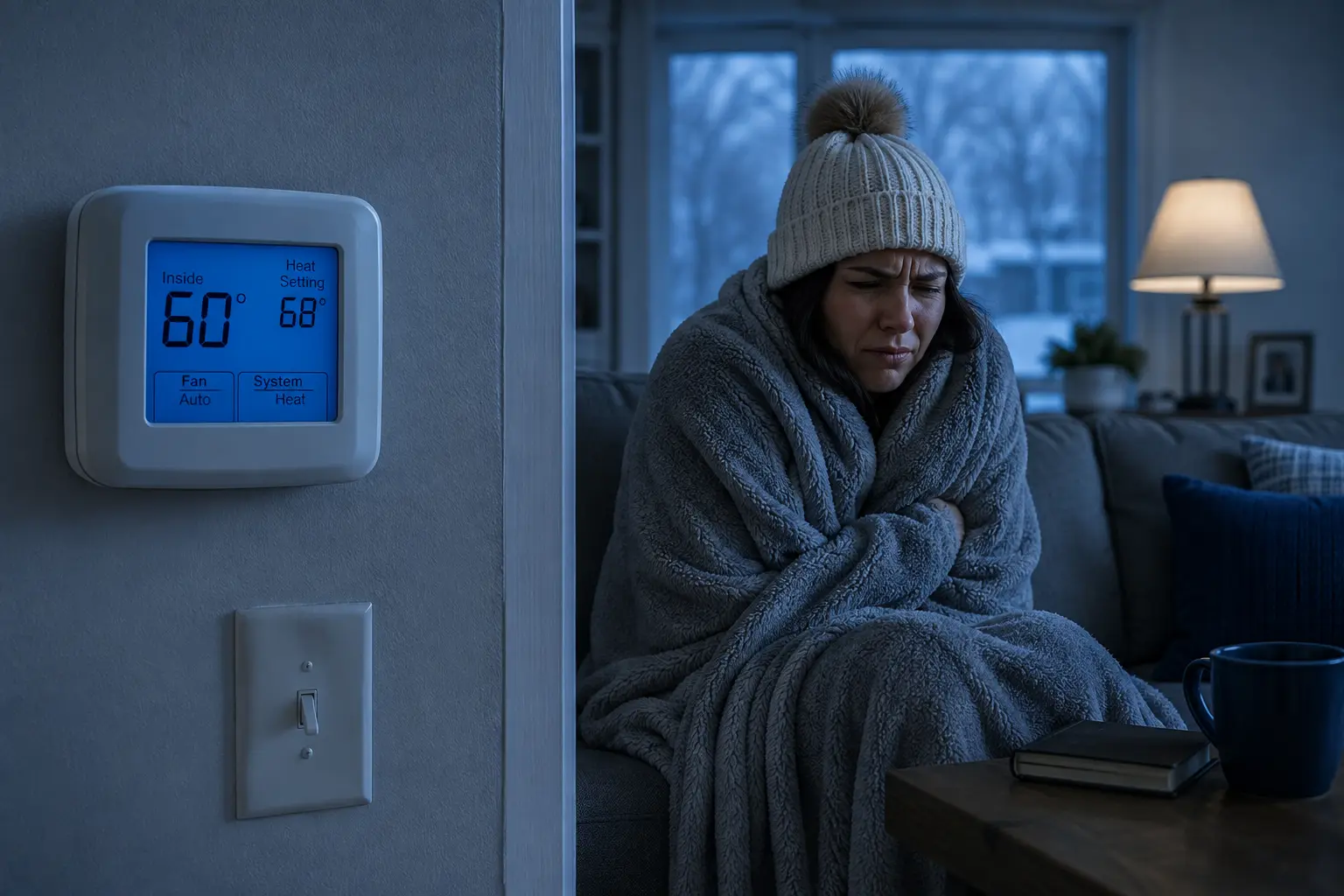
One of the most frequent questions related to furnaces is what happens if it is too small.
The simplest explanation is that it will be unable to adequately heat the home, as it will require more time than available to reach the thermostat set point.
The signs of an undersized furnace are:
Uneven Heating
Inability to heat the home to a desirable temperature. Some rooms might be significantly colder than others.
Extended Run Cycles
Furnaces that have to work harder than necessary will require more frequent maintenance, as their parts will experience higher pressure than normal. It is hard to say if they will be permanently damaged in the process, but it is safe to say that the lifespan will not be extended.
Inability to Sustain a Stable Temperature
The furnace will be unable to maintain a stable temperature, especially on the coldest days of the year.
Shortened Lifespan
As mentioned above, the increased strain on the furnace will require more frequent maintenance. The higher frequency correlates with a higher chance of malfunctions, which will shorten the lifespan of the equipment.
Although an undersized furnace is not ideal, it is not necessarily a bad thing. A properly chosen variable-speed or two-stage furnace will be perfectly capable of handling the heating needs of the home. As such, it is important to choose the equipment based on the calculated BTU range.
Read more How to Install a Furnace
What Happens If a Furnace Is Too Big for a House?
Another question I need to ask is: what if the furnace is too big for the house? An oversized furnace can cause its own set of problems. A furnace that is too large can overheat the house, causing it to turn itself off before it has finished a proper cycle of heating.
This could lead to;
- Frequent turning on and off,
- Inconsistent temperatures
- Inadequate heating,
- Increased wear and tear,
- Higher energy bills,
- Poor humidity control in some cases
This frequent turning on and off is called short cycling.
An oversized furnace replacement may also cost more than needed since you are paying for more heating power than you need.
How to Choose the Right Furnace
Follow these easy steps to size a furnace:
Step 1: Take note of your house characteristics.
You need to know how many square feet your house is, how many stories your house is, how many windows and doors your house has, the height of your ceilings in your home, how well your home is insulated, etc.
Step 2: Take note of your climate.
A house in the north will generally require a larger furnace than the same house placed in the south.
Step 3: Now take care of the insulation.
A well-insulated house will require less heating than a house with old and damaged insulation. Upgrading your insulation is an excellent way to reduce the size of the new furnace you need.
Step 4: Check the windows and doors.
Old windows and doors contribute to heat loss.
Step 5: Have a heating-load calculation done.
Rather than using an estimated value for the square footage of your house, have a professional perform a heating-load calculation.
Step 6: Compare furnaces.
After determining how much heating power you need, compare furnaces based on their capacity, efficiency, fuel, warranty, installation, and operating costs.
Final Thoughts
So, how big of a furnace do I need? A home’s square footage has almost nothing to do with the right furnace size. If you go too small, it’ll have to work overtime to keep up, and the bigger it is, the more it will short-cycle, wasting energy.
The best way to figure out what you need is to have a proper load calculation done using Manual J, then select your equipment wisely. Think about your home’s insulation, windows, climate, construction, ducts, load, and much more before shopping. Contact us we will help you narrow your search and ensure you get the best system for your home.
FAQs
How many BTU furnaces do I need for my house?
The number of BTUs required for a house depends on various factors, including the size of the house, the level of insulation, the outside temperature, the number of windows, the ceiling height, and the amount of heat loss. Hence, the only accurate way of determining how many BTUs per square foot are needed is to request a load calculation from a professional heating contractor.
What are the effects of undersized furnaces?
The most common effect of an undersized furnace is that it will be unable to adequately heat the home in the long run. In addition, it will be forced to operate for extended periods and will be harder to control.
What are the effects of oversized furnaces for homes?
An oversized furnace is inappropriate for a home because it will most probably have a shorter lifespan due to frequent cycling. This will also lead to additional costs in terms of maintenance and energy wastage. In addition, the furnace will result in poor temperature control and discomfort.
What is a furnace load calculation Manual J?
The Manual J calculation determines how large your heating and cooling system should be to efficiently heat and cool a home. It does this by taking into account the home’s insulation, the effects of windows, the outside temperature, construction, and air leakage.
Can I calculate furnace size using square footage?
You can; however, it should not be the only determining factor since different homes will have different requirements. While the square footage can be used to determine the size of a house, each home has its own unique combination of characteristics that affect the BTU needed per square foot, including the amount of insulation and heat loss, the climate you live in, the size and amount of windows, and the construction material of the home.