When Houston’s relentless heat pushes temperatures above 90°F for months at a time, your air conditioning system becomes more than a comfort amenity—it’s a lifeline. With over 2.3 million residents depending on AC systems that run nearly year-round, Houston homeowners face unique challenges that require a systematic approach to AC repair and maintenance. A comprehensive residential AC repair checklist isn’t just helpful; it’s essential for protecting your investment, ensuring your family’s comfort, and avoiding costly emergency repairs during peak summer months.
At 75 Degree AC, our licensed technicians have serviced thousands of Houston homes since 2016, and we’ve seen how a proactive checklist approach can prevent 80% of common AC failures. This detailed guide provides homeowners with the exact checklist our certified HVAC professionals use, helping you identify problems early, communicate effectively with repair technicians, and maintain optimal system performance in Houston’s demanding climate.
Why Houston Homes Need a Specialized AC Repair Checklist
Houston’s subtropical climate creates unique challenges that standard AC repair approaches simply can’t address effectively. The combination of extreme heat, high humidity, and frequent weather changes puts extraordinary stress on residential HVAC systems, making a location-specific repair checklist crucial for homeowners.
Houston’s Climate Impact on AC Systems
According to the National Weather Service, Houston experiences over 100 days annually with temperatures above 90°F, and humidity levels regularly exceed 80%. This environment forces AC units to work harder and longer than systems in most other regions, leading to accelerated wear on critical components like compressors, evaporator coils, and blower motors.
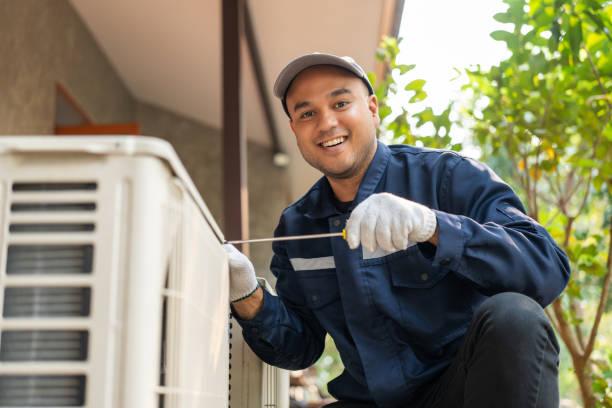
The city’s frequent thunderstorms and power fluctuations also create electrical stress on AC systems, while the Gulf Coast’s salt air can accelerate corrosion of outdoor units. These factors combine to create a perfect storm that requires homeowners to be more vigilant about AC maintenance and repair than residents in milder climates.
Common Houston AC Problems
Our experience servicing Houston homes has identified several recurring issues that appear on virtually every residential AC repair checklist:
- Refrigerant leaks: High operating pressures in extreme heat stress refrigerant lines
- Frozen evaporator coils: Humidity and restricted airflow create ice buildup
- Compressor failure: Extended runtime in high temperatures overworks this critical component
- Drainage problems: High humidity overwhelms condensate removal systems
- Electrical issues: Power surges from storms damage capacitors and contactors
Pre-Service AC Repair Checklist for Homeowners
Before calling for professional AC repair in Houston, homeowners can perform several diagnostic steps that help identify problems and potentially avoid unnecessary service calls. This preliminary checklist ensures you provide technicians with accurate information and may resolve simple issues independently.
Basic Safety and Power Checks
Always begin your residential AC repair checklist with safety verification. Turn off power to your AC unit at both the thermostat and the main electrical panel before performing any inspections. Check that all electrical connections are secure and look for obvious signs of damage like frayed wires or burnt components.
Examine your circuit breakers to ensure none have tripped. Houston’s frequent storms can cause power surges that trip breakers or blow fuses. If you find tripped breakers, reset them once, but call for professional service if they trip again immediately.
Thermostat and Control System Inspection
Verify your thermostat settings and battery condition. Many service calls result from simple thermostat issues rather than actual AC problems. Check that your system is set to “cool” mode, the temperature setting is below current room temperature, and the fan setting is appropriate for your needs.
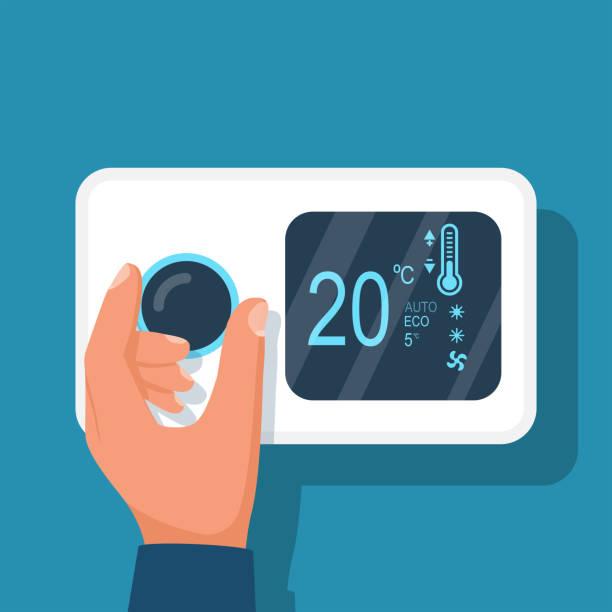
Look for error codes or unusual displays on digital thermostats. Modern units often provide diagnostic information that helps technicians identify problems quickly. Document any error codes to share with your repair service.
Air Filter Assessment
Dirty air filters cause more AC problems in Houston than any other single factor. The combination of pollen, dust, and humidity creates challenging conditions that can clog filters within 30-60 days during peak seasons. Remove your air filter and hold it up to light—if you can’t see through it clearly, replacement is necessary.
Consider upgrading to high-efficiency filters rated MERV 8-11 for Houston conditions, but avoid going higher without consulting professionals, as restrictive filters can strain your system.
Professional AC Repair Checklist – What Technicians Inspect
When you schedule professional service with licensed technicians, understanding their systematic approach helps you appreciate the complexity of proper AC repair and ensures nothing gets overlooked during the service call.
Electrical System Diagnostics
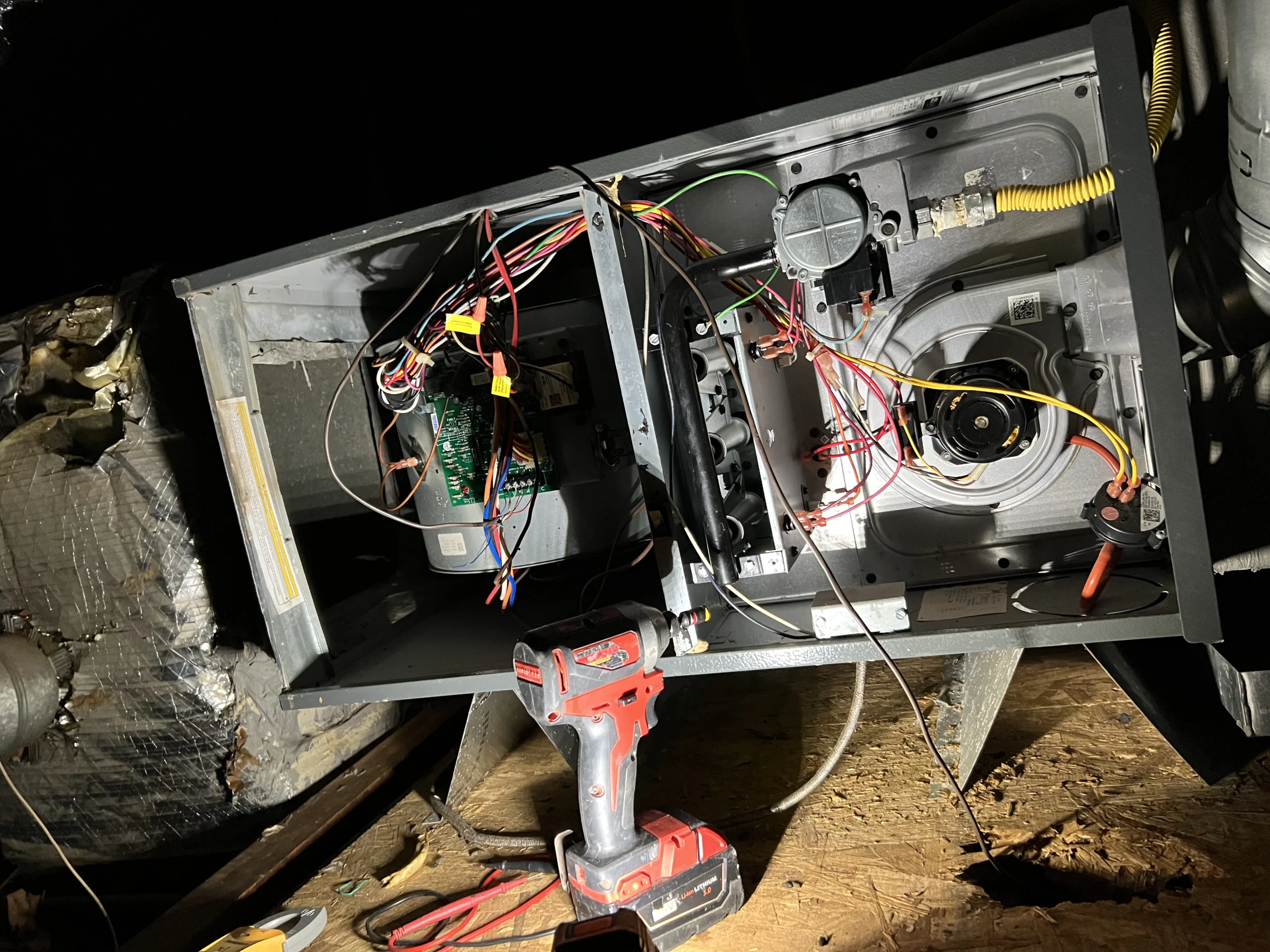
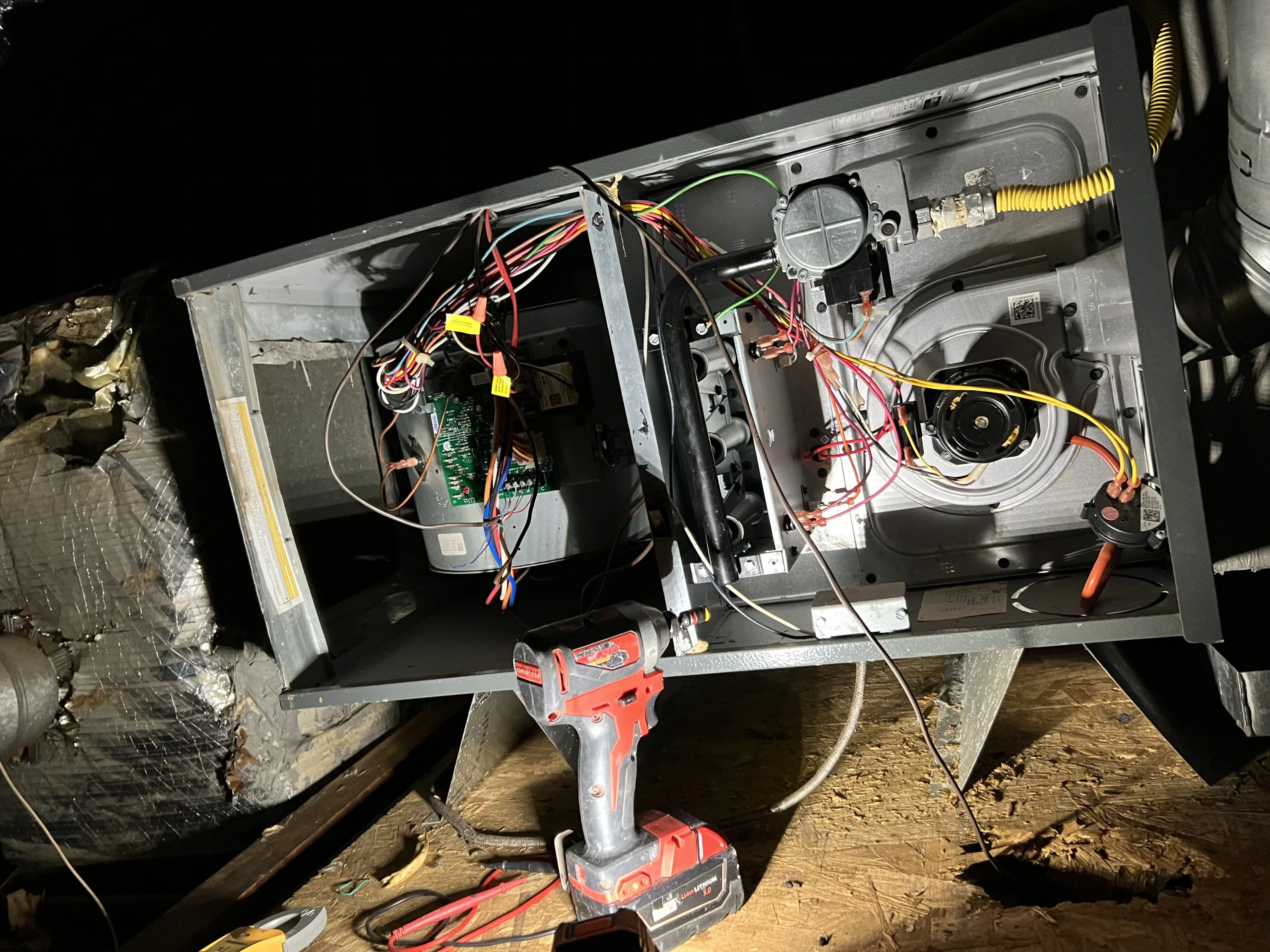
Professional technicians begin every residential AC repair checklist with comprehensive electrical testing. This includes measuring voltage at the unit, testing capacitor function, inspecting contactors for pitting or damage, and verifying proper amperage draw on all motors.
In Houston’s storm-prone environment, electrical issues cause approximately 40% of AC failures. Technicians use specialized meters to detect problems invisible to homeowners, such as weak capacitors that haven’t completely failed but reduce system efficiency.
Refrigeration System Analysis
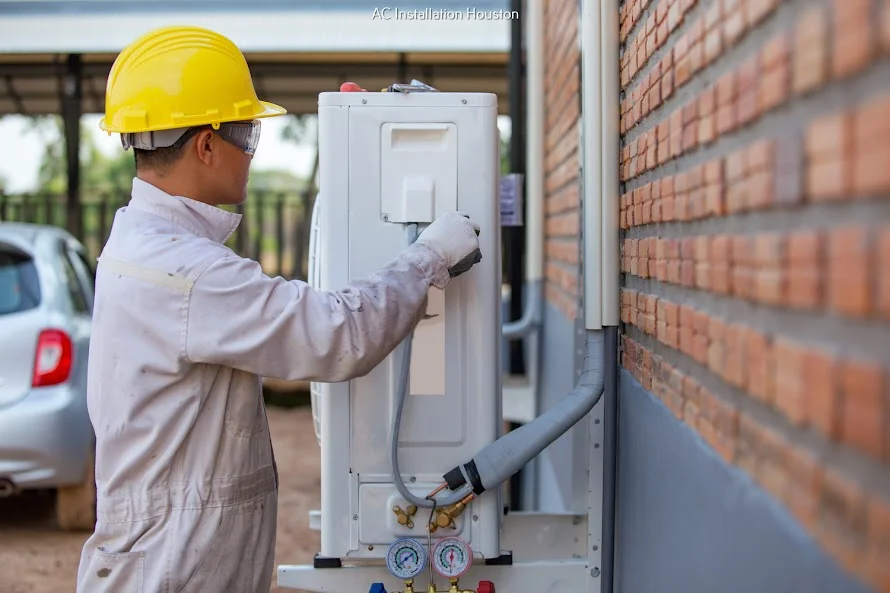
The refrigeration system requires specialized tools and training to diagnose properly. Certified technicians check refrigerant levels, test for leaks using electronic detectors, measure operating pressures, and verify proper superheat and subcooling temperatures.
| Component | Normal Operating Range | Houston Climate Considerations |
|---|---|---|
| High-side pressure | 200-350 PSI | Higher due to ambient temperature |
| Low-side pressure | 60-80 PSI | May vary with humidity levels |
| Superheat | 8-12°F | Critical for preventing flooding |
| Subcooling | 10-15°F | Ensures proper cooling capacity |
Mechanical Component Evaluation
Technicians inspect all moving parts, including blower motors, fan blades, and compressor operation. They check belt tension and condition, lubricate motor bearings where applicable, and verify proper airflow throughout the system.
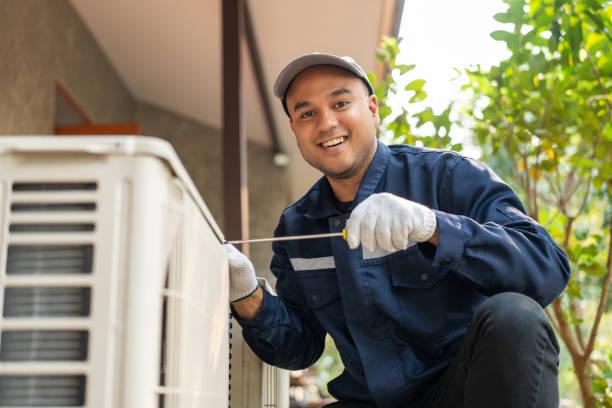
The outdoor unit receives special attention in Houston due to exposure to severe weather. Technicians examine the condenser coils for damage, check refrigerant line insulation, and ensure the unit is level and properly secured.
Seasonal AC Repair Checklist for Houston Climate
Houston’s year-round AC usage demands seasonal attention to different system components. Our comprehensive seasonal checklist ensures your system operates efficiently regardless of weather conditions.
Pre-Summer Preparation (March-April)
Before Houston’s intense summer heat arrives, complete this critical preparation checklist:
- Schedule professional AC maintenance to clean coils and check refrigerant
- Replace air filters with high-efficiency options for pollen season
- Clear vegetation and debris from around outdoor unit
- Test system operation during mild weather to identify problems
- Inspect and clean condensate drain lines before heavy humidity
Peak Summer Monitoring (May-September)
During Houston’s most demanding months, your residential AC repair checklist should focus on preventing breakdowns:
Monitor your system daily for unusual sounds, reduced cooling, or increased energy bills. Check air filters monthly during peak season, as they clog faster in heavy-use periods. Keep outdoor units clear of grass clippings and ensure adequate airflow around the condenser.
Pay attention to ice formation on indoor or outdoor components, which indicates serious problems requiring immediate professional attention. Document any changes in system performance to help technicians diagnose intermittent issues.
Fall Transition Period (October-November)
As temperatures moderate, prepare your system for continued operation and next year’s challenges:
- Schedule comprehensive system inspection while demand is lower
- Clean and inspect ductwork for leaks or damage
- Test heating components if you have a heat pump system
- Replace worn air filters before winter dust accumulation
- Address any deferred maintenance identified during summer
Emergency AC Repair Checklist
When your AC system fails during Houston’s extreme heat, following a systematic emergency checklist can help restore comfort quickly and safely while avoiding panic-driven mistakes that worsen problems.
Immediate Safety and Comfort Measures
First, ensure family safety by moving to the coolest area of your home and staying hydrated. If you have elderly family members or health conditions affected by heat, consider temporary relocation to air-conditioned spaces.
Check your electrical panel for tripped breakers and reset once if needed. Turn off your AC system completely if you notice burning smells, unusual sounds, or electrical sparking, and call for emergency service immediately.
Temporary Cooling Solutions
While waiting for professional repair, implement temporary cooling strategies. Close blinds and curtains to block solar heat gain, use fans to circulate air, and avoid using heat-generating appliances like ovens or dryers.
If you have a two-story home, move activities to the lower level where temperatures are naturally cooler. Consider using window units or portable AC units for essential areas if repair will take more than a few hours.
Information Gathering for Technicians
Prepare detailed information for repair technicians to ensure faster diagnosis and resolution. Note when the problem started, any unusual sounds or smells, recent weather events, and any changes made to settings or filters.
Document error codes, temperature differences between rooms, and whether the problem is intermittent or constant. This information helps technicians bring appropriate parts and tools, reducing repair time.
Post-Repair Maintenance Checklist
After professional repair service, following a structured maintenance checklist ensures your investment in repairs provides maximum value and prevents recurring problems.
Immediate Post-Service Steps
Test your system thoroughly within the first 24 hours after repair. Run a complete cooling cycle and verify that all components operate normally. Check that airflow is consistent throughout your home and that the system reaches set temperatures efficiently.
Review all warranty information provided by your repair technician and understand what components are covered and for how long. Keep all documentation in a dedicated file for future reference and warranty claims.
Ongoing Monitoring and Maintenance
Implement a regular monitoring schedule to catch potential problems early. Check and replace air filters according to manufacturer recommendations, typically every 30-90 days in Houston’s demanding environment.
Schedule follow-up maintenance based on your technician’s recommendations, usually annually for newer systems and bi-annually for units over 10 years old. Regular professional maintenance prevents 85% of major AC failures and extends system lifespan significantly.
When to Call Professional AC Repair Services
While homeowners can handle basic maintenance tasks, certain situations require immediate professional attention to prevent safety hazards, system damage, or voided warranties.
Clear Indicators for Professional Service
Call licensed technicians immediately if you notice refrigerant leaks (sweet chemical odors or ice formation), electrical issues (burning smells, sparking, or frequent breaker trips), or mechanical failures (grinding noises, seized components, or complete system shutdown).
Any situation involving electrical work, refrigerant handling, or gas connections requires professional expertise and specialized tools. Attempting these repairs without proper training violates safety codes and can create dangerous conditions.
Choosing the Right Houston AC Repair Company
Select repair companies with proper licensing, insurance, and local experience. Verify that technicians hold current EPA certifications for refrigerant handling and that the company offers warranties on both parts and labor.

At 75 Degree AC, our technicians average over 8 years of experience specifically with Houston’s unique climate challenges. We provide upfront pricing, same-day service when possible, and comprehensive warranties on all repair work.
Cost-Saving Tips for Houston Homeowners
Smart homeowners can significantly reduce AC repair costs through preventive maintenance, early problem identification, and strategic system management tailored to Houston’s climate.
Preventive Maintenance Investment
Annual maintenance contracts typically cost $150-300 but prevent repairs averaging $500-1,500. Professional maintenance includes cleaning, adjustments, and early problem detection that extends system life by 40-60% compared to neglected units.
Consider seasonal maintenance timing to take advantage of off-peak pricing. Many companies offer discounts during slower months when technician availability is higher.
Energy Efficiency Improvements
Upgrading to programmable or smart thermostats can reduce energy costs by 10-15% while providing better temperature control. Proper insulation and air sealing work synergistically with AC repairs to maximize system efficiency.
Regular filter changes and duct cleaning ensure your repaired system operates at peak efficiency, reducing strain on components and preventing premature failure.
Conclusion: Your Complete Houston AC Repair Strategy
A comprehensive residential AC repair checklist is essential for Houston homeowners facing the challenges of extreme heat, high humidity, and year-round system operation. By following systematic approaches to preventive maintenance, early problem detection, and professional service, you can ensure reliable cooling performance while minimizing repair costs and system downtime.
The key takeaways from this complete guide include the importance of regular filter changes, seasonal maintenance scheduling, immediate attention to warning signs, and partnering with experienced local professionals who understand Houston’s unique climate demands. Remember that proactive maintenance and systematic troubleshooting prevent 80% of major AC failures and extend system life significantly.
Professional diagnosis and repair ensure safety, efficiency, and warranty protection for your HVAC investment. When problems exceed basic homeowner capabilities, choosing experienced, licensed technicians protects your family’s comfort and your financial investment in your home’s cooling system.
Don’t wait for AC failure during Houston’s peak heat season. Contact 75 Degree AC at (713) 598-2737 for comprehensive AC repair services, preventive maintenance, and expert advice tailored to Houston’s demanding climate. Our licensed technicians provide same-day service, upfront pricing, and guaranteed satisfaction for all residential HVAC needs. Schedule your AC repair service today and ensure your family’s comfort all year round.
Frequently Asked Questions
How often should I replace my air filter in Houston’s climate?
In Houston’s high-humidity, pollen-heavy environment, air filters should be checked monthly and typically replaced every 30-60 days during peak seasons (spring through fall). Homes with pets, smokers, or residents with allergies may require more frequent changes. High-efficiency filters may last slightly longer but should never exceed 90 days without inspection.
What are the most common signs my Houston AC system needs repair?
Watch for reduced cooling performance, unusual noises (grinding, squealing, or banging), ice formation on indoor or outdoor components, frequent cycling on/off, higher energy bills, poor airflow, and musty or unusual odors. Any of these symptoms warrant professional inspection to prevent more serious problems.
Should I attempt AC repairs myself to save money?
Homeowners can safely handle basic maintenance like filter changes, thermostat adjustments, and keeping outdoor units clean. However, any work involving electrical components, refrigerant systems, or gas connections requires professional expertise. DIY attempts on complex systems often void warranties and can create safety hazards.
How much should I expect to pay for AC repair in Houston?
Basic repairs like capacitor replacement typically cost $150-300, while more complex issues like compressor problems can range from $800-2,500. Emergency service calls may include additional fees. Always request detailed estimates and understand warranty coverage before authorizing repairs.
When should I consider AC replacement instead of repair?
Consider replacement if your system is over 15 years old, requires frequent repairs, uses R-22 refrigerant (being phased out), or if repair costs exceed 50% of replacement value. Modern systems offer significantly better efficiency and reliability than older units, often justifying replacement costs through energy savings.
How can I prevent emergency AC breakdowns during Houston summers?
Schedule annual professional maintenance before peak season, change filters regularly, keep outdoor units clean and unobstructed, monitor system performance for changes, and address small problems immediately before they become major failures. Preventive maintenance prevents 85% of emergency breakdowns.