
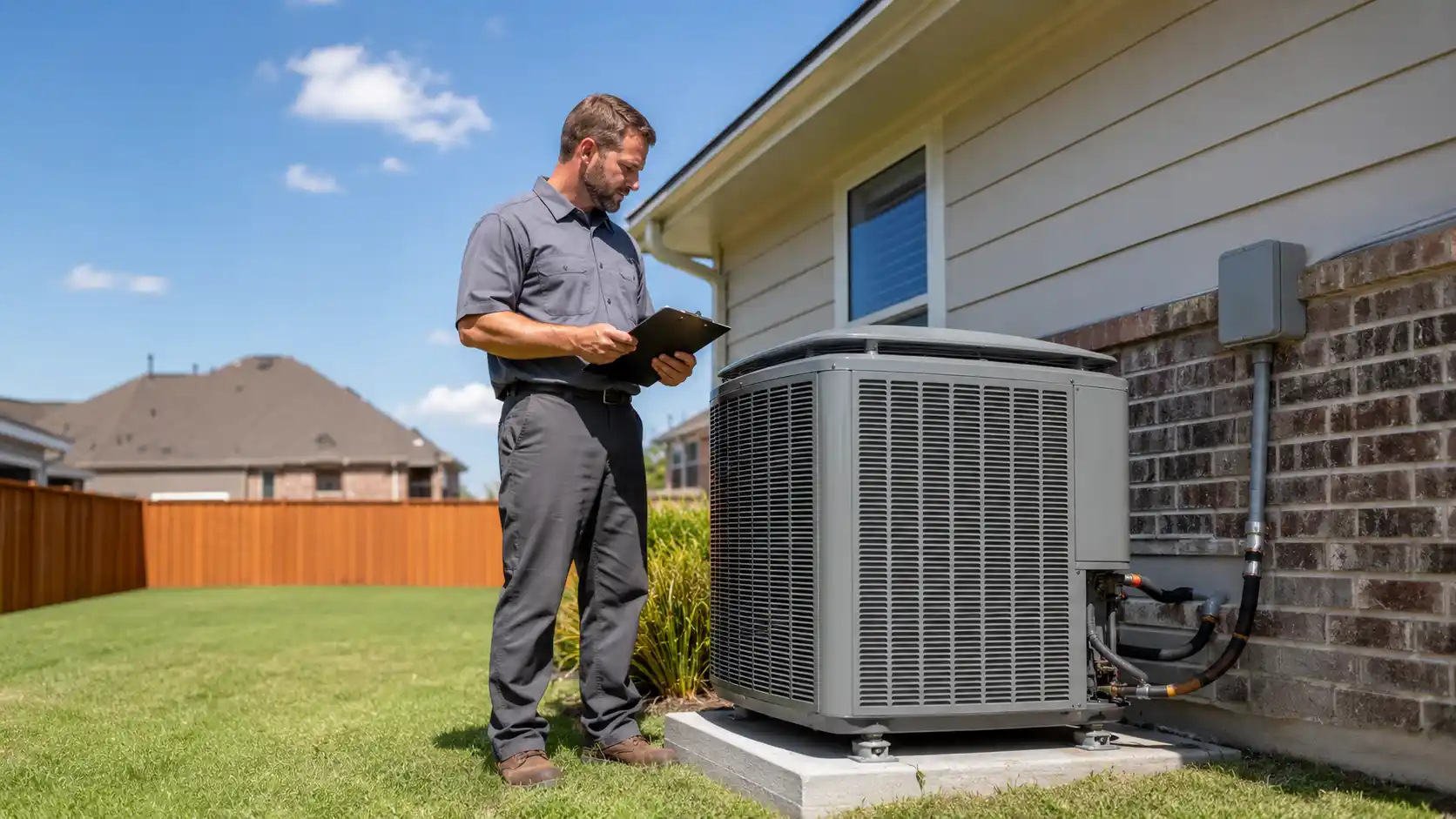
If you’ve ever wondered how big of a heat pump do I need? then rest assured: you’re not alone. Selecting the right sized heat pump is the key to maintaining comfort in your house or business while keeping electricity or fuel bills from skyrocketing.
There are many factors to consider besides house size that contribute to the ideal heat pump size; however, these include: House layout and square footage of rooms Ceiling heights Window quantity and type of panes Home insulation levels Local climate, temperature variations and humidity levels Your desired.
Why Proper Heat Pump Sizing Matters
Installing the right size heat pump gives you:
- Consistent home temperatures
- Increased energy efficiency
- Excellent dehumidification
- Maximum performance in heating/cooling
- Extended system lifespan
- Unparalleled comfort all yearlong
A heat pump sizing should not base purely off square footage only Professional sizing would factor into account all factors in a house that determine home heating/cooling demands.
Read more Signs Heat Pump Is Failing
How Big of a Heat Pump Do I Need?
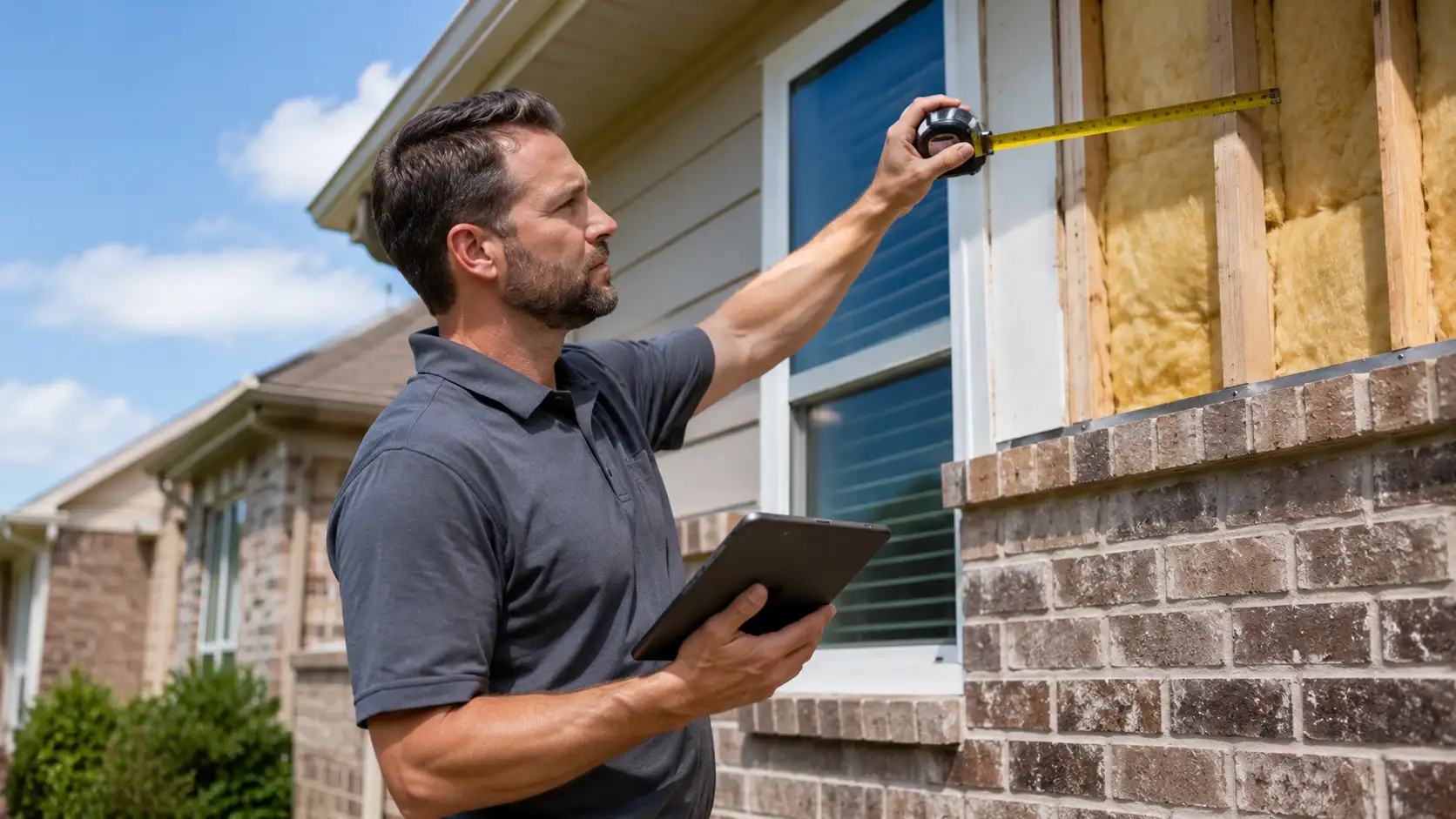
If you’re asking how big of a heat pump do I need, you’ll begin with a calculation of the home’s heating and cooling load, instead of a general guess based on available unit size.
Here are the factors that determine a heat pump’s proper capacity:
Size of Your Home
More square feet generally means more demand, but two identically sized houses might call for different sized heat pumps.
Local Climate
Whether the outdoors typically gets colder or hot, and at what extremes, plays a huge role in a heat pump’s need for high capacity, especially for heating in colder parts of the country.
Amount of Insulation
Having well-insulated walls, floors and ceilings allows you to trap the heat inside your home and the cold air outside, thus lowering you needs to have you home’s capacity managed with a large heat pump.
Existing Windows and Doors
Older or ill-fitting windows and doors can lead to excess heat gain, contributing to a greater load for your heat pump to manage. Smart windows may lead you to need less capacity.
Ceiling Height
With higher ceilings comes more air that must be heated and cooled by your heat pump.
Room Layouts
The design of your home may affect the type or size of a heat pump that will efficiently and evenly deliver comfortable air to each room, such as having high ceilings and an open floor plan.
How to Size a Heat Pump

Sizing Your Home Heat pump Sizing not based on just the Texas Whether you’re looking to save energy and money by a heat pump installation and repair or have the need of purchasing a heating and air condition equipment to start your process of cooling down your house, you want to be sure that you know exactly which system can truly do the job.
You do not need to make guesses; that means to get your estimation not on the square footage of the house, which usually you can come to think is not an approximation, but rather it does not really allow anyone the right estimation on such equipment.
A heat pump sizing calculation that is generally made out, and that can come to you on be made through an ACCA Manual J Method, among others, where is considered all these points:
- The Houston TX size of the house
- The local climate
- The amount of insulation that you have in your walls
- How energy efficient are your doors and windows
- How many people sleep
- Reside in the house
- Amount of air you got to leak in the walls or in the air
- Feeling high in the house
Which temperatures you are looking for in both modes of heating, cooling.
Heat Pump Sizing by Square Footage
Square footage might help get you started, but should not be the sole criteria used to determine a heat pump.
For instance, two 2,000 square foot homes could have varying needs because one has great insulation and newer windows while the other has a lot of air leakage through older construction.
That’s why professional heat pump sizing is better than selecting a model from a generic square footage chart.
Read more How to Prepare Your HVAC System for Houston
What Happens If a Heat Pump Is Too Small?
An undersized heat pump may:
- Run for long periods
- Having trouble maintaining the right temperature
- Use more supplemental heating
- Provide inconsistent comfort
- Experience additional wear
When the temperature drops, a too small system may have a hard time meeting demand.
What Happens If a Heat Pump Is Too Large?
Larger Is Not Always Better A heat pump that is too big may lead to:
- Frequent switching cycles of and Off
- Lower efficiencies
- More uneven indoor temperatures
- Problems maintaining comfortable
- Humidity levels
- Additional wear-and-tear
The ideal goal when choosing a heating or cooling system is not a machine with the greatest cooling and/or heating capacity but one that corresponds with the actual heat gain or loss of a home.
Other Factors to Consider When Choosing a Heat Pump
While size is critical, it isn’t the sole factor. Some additional issues to take into consideration when choosing a system include:
Heating Capacity
Does the system generate enough heat during periods when the temperature outside is typical for your area?
Cooling Efficiency
Compare system efficiency ratings so you can predict operating costs during the cooling season.
Supplemental Heat
In some colder regions, it is necessary to supplement the heat pump with a backup heat source once the outside temperature drops below the range of most efficient operation for the heat pump.
Existing Duct System
Even if you select an appropriately sized system, a damaged, undersized, or out-of-balance duct system will diminish its ability to heat and cool the dwelling effectively.
Home Insulation
It may be worth increasing your insulation and sealing air leaks before the heat pump installation.
Signs Your Heat Pump May Be the Wrong Size
If you are replacing your heat pump, several problems with how your old system operates could actually be an indicator of a sizing problem.
Check for:
- Rooms that are consistently too hot or cold
- The system frequently cycling on and off
- Heating or cooling cycles that take a long time
- Rising utility bills
- The thermostat can’t keep up
- Using backup heat an excessive amount
These are signs that could have multiple causes and will require a professional evaluation before assuming your heat pump size is incorrect.
Why Professional Heat Pump Sizing Is Important
A professional takes a house’s entire heating and cooling needs into consideration when determining the size your heat pump will be. An HVAC technician can take a look at the home, assess the existing ductwork and equipment and choose and recommend the correct size for the house.
75 Degree AC can perform the assessment of your home and choose a heat pump that will perfectly supply your heating and cooling needs without excessive energy use.
Final Thoughts
So, how much heat pump do you need? The size of your heat pump is dependent on a variety of factors and is not an exact figure based on square footage of your house. Several variables play a factor: climate, insulation, type of windows, home construction, duct work and actual heating and cooling loads.
Professional calculations to properly size your heat pump can help ensure your system isn’t too large or too small. To get professional assistance for your heating and cooling needs contact 75 Degree AC.
FAQs
What size heat pump do I need for my house?
Honestly, there’s no one-size-fits-all number here. Your home’s layout, how well it’s insulated, the quality of your windows, ceiling height, and even your local weather all factor in. If you really want an accurate answer, a professional load calculation (think ACCA Manual J) is the way to go – not a guess based on square footage.
Can I just go by square footage?
You can use it as a rough starting point, sure. But here’s the thing – two houses that are exactly 2,000 square feet can need completely different sized systems. One might have great insulation and newer windows, while the other leaks air like a sieve. So square footage alone? Not reliable.
What if I install a heat pump that’s too small?
It’ll basically overwork itself. Expect long run times, a house that never quite feels comfortable, more reliance on backup heat, and a system that wears out faster than it should – especially once temperatures drop hard in winter.
What if the heat pump is too big instead?
Bigger isn’t automatically better. An oversized unit tends to switch on and off constantly, which actually hurts efficiency. You’ll also likely deal with uneven temperatures room to room and humidity that never quite feels right indoors.
Besides home size, what else affects heat pump sizing?
Quite a bit, actually – local climate, insulation quality, your windows and doors, ceiling height, how your rooms are laid out, and even how many people live in the house. All of it adds up to your home’s real heating and cooling demand.
How do pros actually figure out the right size?
Most technicians rely on something called the ACCA Manual J calculation. It looks at your square footage, sure, but also climate, insulation, air leakage, window and door efficiency, ceiling height, and the indoor temperatures you’re aiming for. Way more thorough than a general estimate.
How do I tell if my current system is the wrong size?
A few red flags to watch for: rooms that just won’t heat or cool properly, the system turning on and off way too often, cycles that drag on forever, utility bills creeping up, or you constantly needing backup heat. If you’re noticing these, it’s worth getting a professional to take a look.
Why bother with a professional sizing assessment?
Because a pro looks at the whole picture – your ductwork, insulation, layout, everything – and recommends a system that actually fits your home. A generic sizing chart just can’t account for all that.
Does my ductwork actually matter for sizing?
Yes, more than people realize. Even if you get the perfect sized heat pump, damaged or unbalanced ducts can still stop it from heating or cooling your home properly.
Should I fix insulation before getting a heat pump installed?
It’s not a bad idea. Better insulation lowers your home’s overall heating and cooling load, which sometimes means you can get away with a smaller, more efficient system – and lower bills down the road.
Getting the size wrong in either direction costs you money every month it runs — our heat pump installation service sizes it to your home, not a rule of thumb.