



When your air conditioner battles Houston’s notorious humidity and triple-digit temperatures for months on end, proper maintenance isn’t optional—it’s essential for survival. While professional service from experienced technicians at 75 Degree AC remains the gold standard, savvy homeowners can handle several maintenance tasks themselves to keep their systems running efficiently between professional tune-ups.
According to the U.S. Department of Energy, properly maintained air conditioning systems can reduce energy consumption by 5% to 15%, translating to significant savings on your monthly utility bills. In Houston’s climate, where AC units run nearly year-round, this difference can mean hundreds of dollars saved annually.
Understanding Your AC System: The Foundation of DIY Maintenance
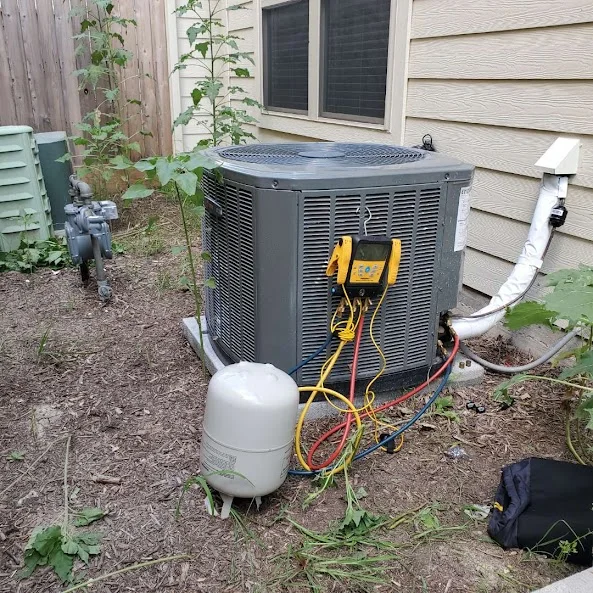
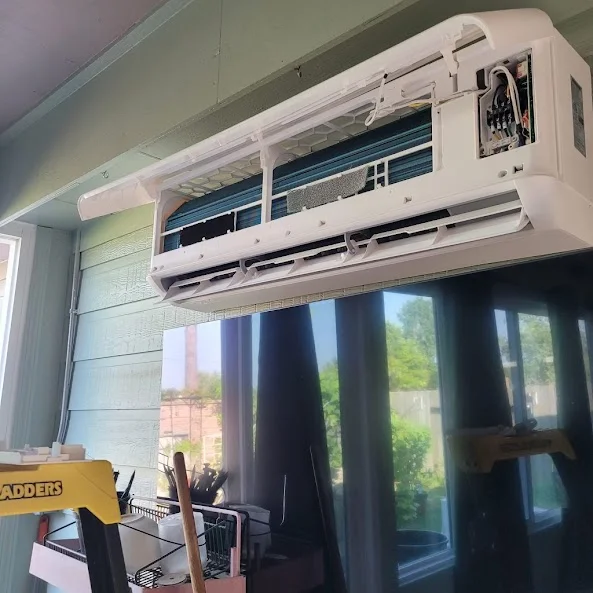
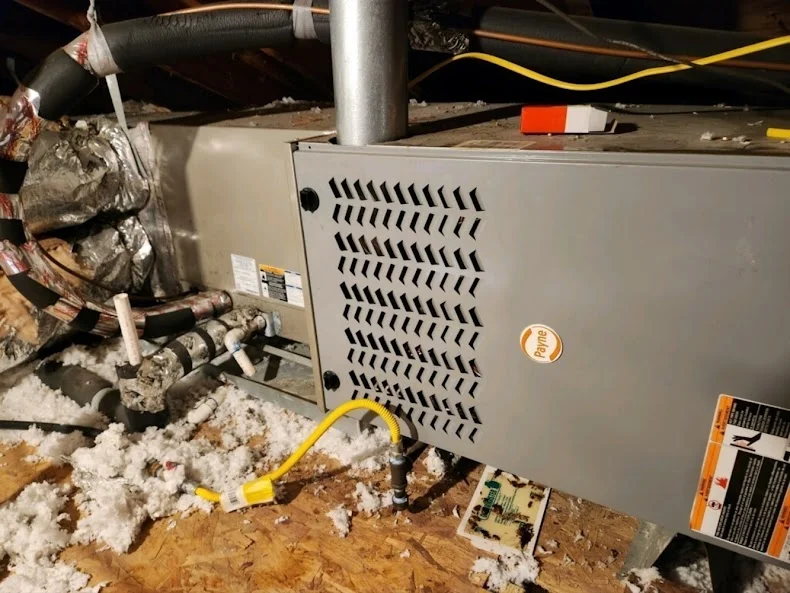
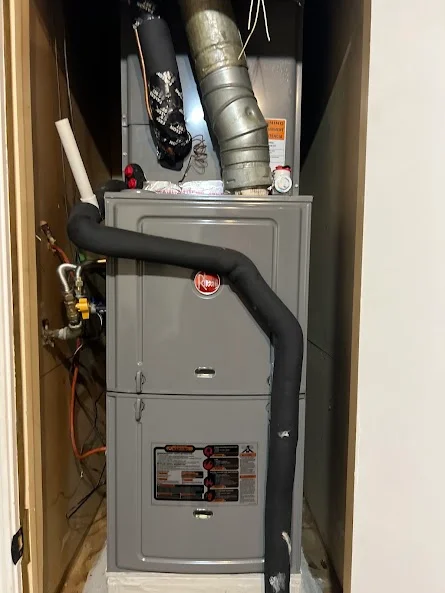
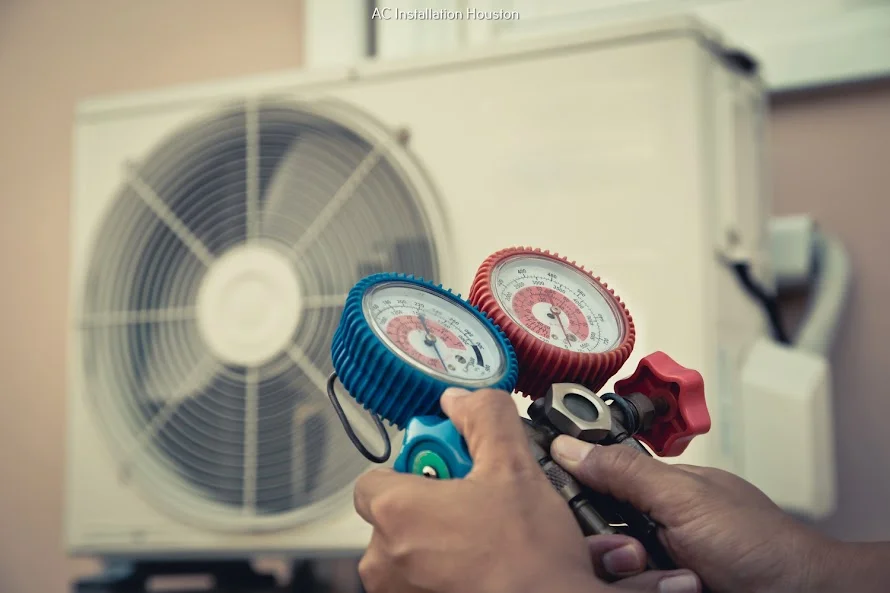
Before diving into maintenance tasks, understanding your system’s basic components empowers you to perform maintenance safely and effectively. Houston homes typically feature split-system central air conditioners, comprising an outdoor condensing unit and an indoor air handler or furnace with an evaporator coil.

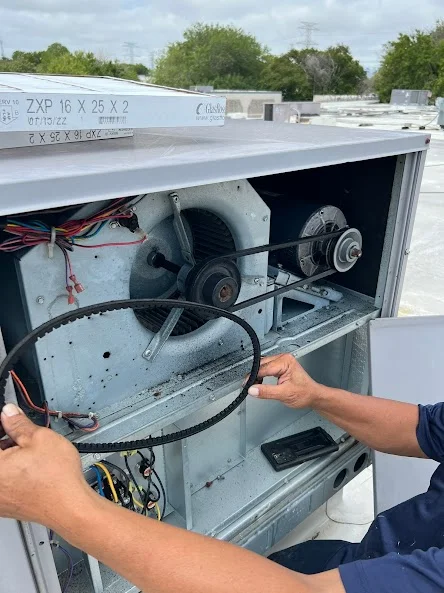
The outdoor unit houses the compressor, condenser coil, and fan, while the indoor unit contains the evaporator coil, blower, and air filter. Each component requires specific maintenance attention to ensure optimal performance in Houston’s demanding climate.
Houston’s unique environmental challenges—including coastal salt air, high pollen counts, and frequent thunderstorms—create additional stress on AC systems. These factors make regular maintenance even more critical for local homeowners compared to those in milder climates.
Essential DIY AC Maintenance Tasks Every Houston Homeowner Should Master
Monthly Filter Replacement or Cleaning
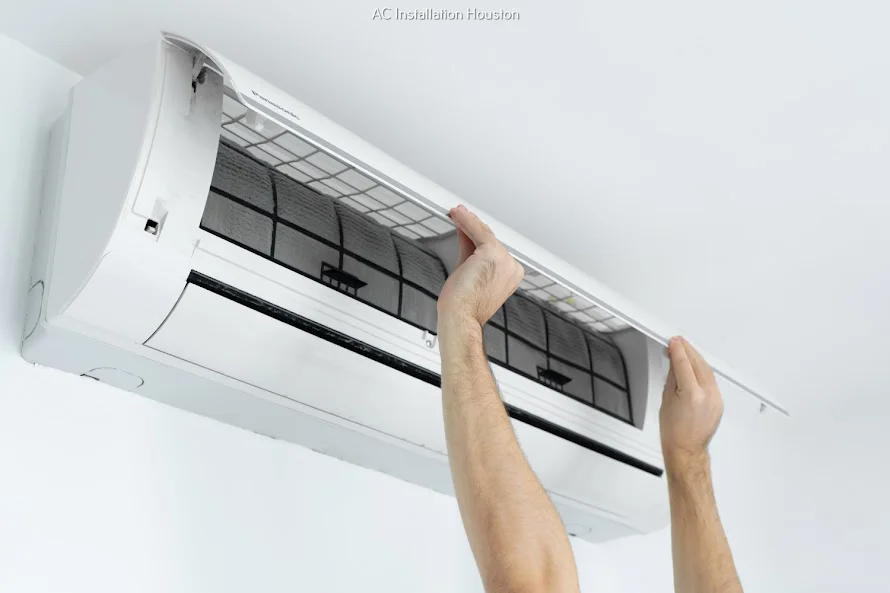
The single most important DIY maintenance task involves regular filter changes. In Houston’s dusty, pollen-heavy environment, filters clog faster than manufacturer recommendations suggest. While filter packages might recommend replacement every 90 days, Houston homeowners should check filters monthly and replace them every 30-60 days during peak cooling season.
Clean filters improve airflow, enhance indoor air quality, and reduce system strain. According to ENERGY STAR, replacing a dirty filter can lower your air conditioner’s energy consumption by 5% to 15%. For Houston homes running AC constantly from April through October, this translates to substantial energy savings.
Outdoor Unit Cleaning and Debris Removal
Houston’s subtropical vegetation grows vigorously, potentially overwhelming outdoor units within weeks. Regular clearing prevents airflow restriction and system overheating. Here’s your step-by-step approach:
- Turn off power at both the thermostat and circuit breaker
- Remove leaves, grass clippings, and debris from around the unit
- Maintain two feet of clearance on all sides
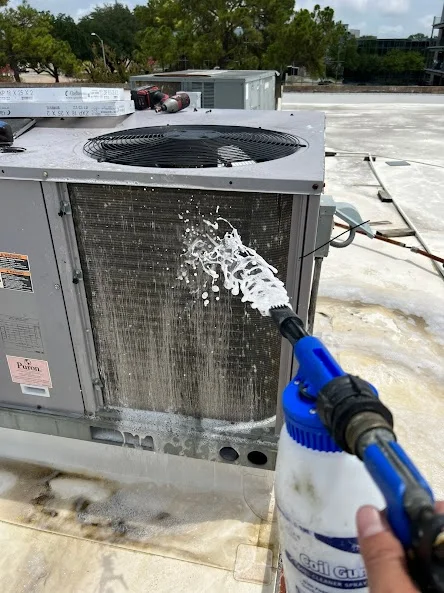
- Gently spray condenser coils with a garden hose (avoid high pressure)
- Straighten bent fins using a fin comb or butter knife
- Trim vegetation to maintain proper clearance

Indoor Evaporator Coil Access and Inspection
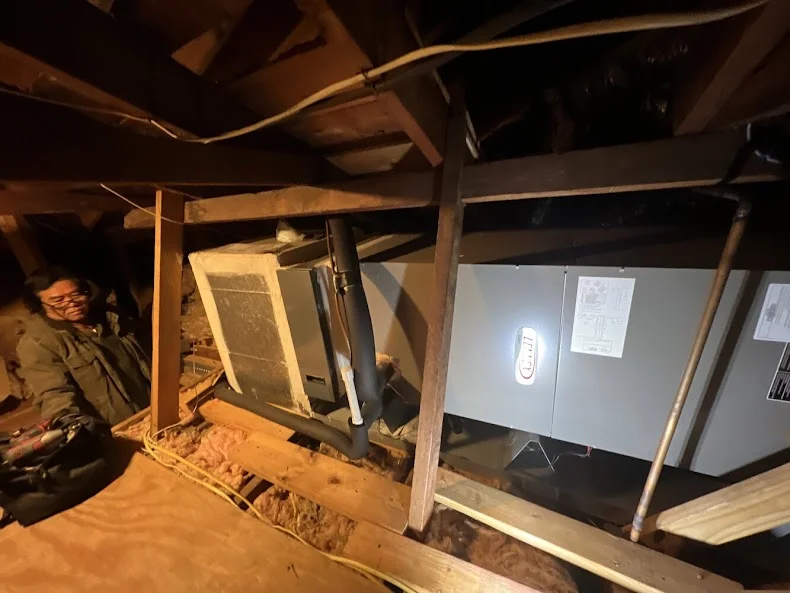
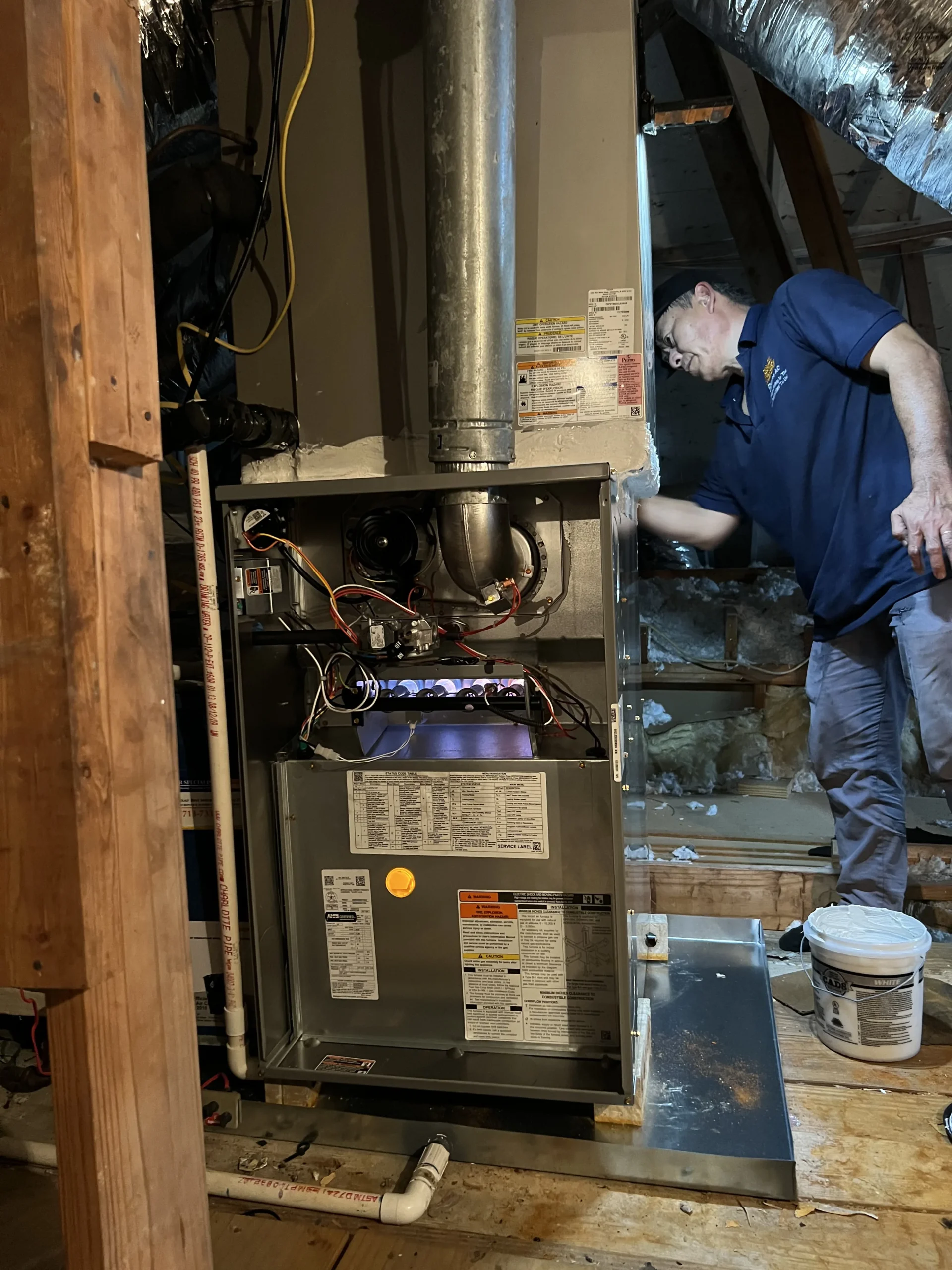
While deep cleaning evaporator coils requires professional expertise, homeowners can perform visual inspections and light maintenance. Located above the furnace in most Houston homes, the evaporator coil accumulates dust and mold in our humid environment.
Access the coil by removing the access panel (after turning off power). Look for visible dust accumulation, mold growth, or ice formation—all signs requiring professional attention from certified technicians like those at 75 Degree AC’s maintenance team.
Seasonal AC Maintenance Schedule for Houston’s Climate
| Season | DIY Tasks | Professional Services Needed |
|---|---|---|
| Spring (March-May) | Replace filters, clean outdoor unit, test thermostat, check drainage | Complete system inspection, refrigerant check, electrical testing |
| Summer (June-August) | Monthly filter changes, weekly debris removal, monitor performance | Mid-season tune-up if running constantly |
| Fall (September-November) | Clean condensate line, check insulation, prepare for mild weather | Heating system inspection, duct cleaning |
| Winter (December-February) | Cover outdoor unit during freezes, check heat operation | Annual maintenance agreement renewal |
Critical Safety Considerations for DIY AC Maintenance
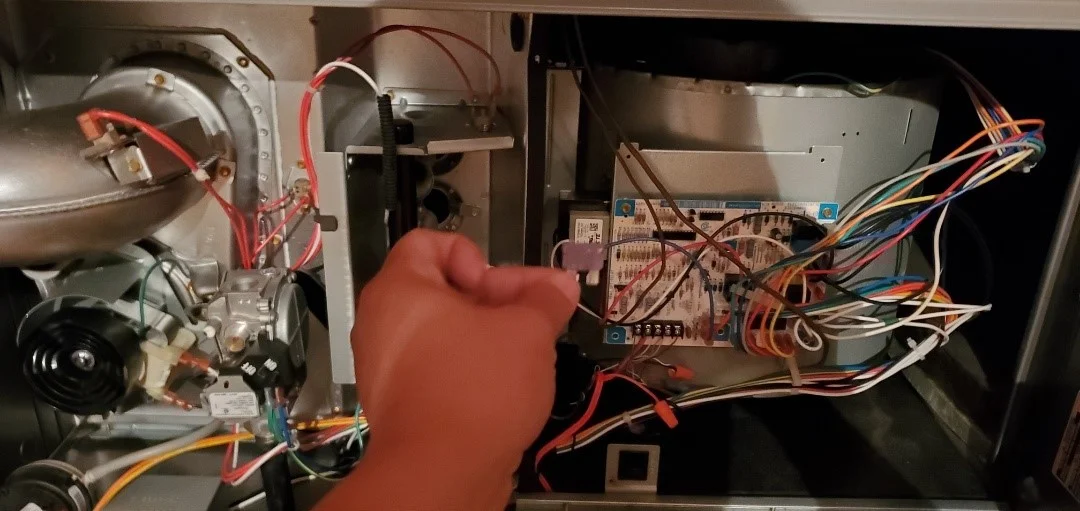
While DIY maintenance saves money, safety must remain paramount. AC systems involve high voltage electricity, sharp metal edges, and potentially harmful refrigerants. Always follow these non-negotiable safety protocols:
Electrical Safety: Always disconnect power at both the thermostat and circuit breaker before any maintenance. Houston’s older homes may have outdated electrical systems, making this precaution especially critical. The Electrical Safety Foundation International reports that electrical failures cause over 50,000 home fires annually.
Chemical Hazards: Never attempt refrigerant handling without EPA certification. R-410A refrigerant, common in Houston homes, operates at pressures exceeding 400 PSI and can cause severe frostbite. Leave refrigerant work to licensed professionals like 75 Degree AC’s certified technicians.
Tools and Supplies Every Houston Homeowner Needs
Building a proper AC maintenance toolkit ensures you’re prepared for routine tasks without damaging equipment. Here’s what experienced Houston HVAC professionals recommend homeowners keep on hand:
- Fin comb set: For straightening bent condenser fins ($10-15)
- Coil cleaning spray: No-rinse foaming cleaners safe for aluminum ($8-12)
- Digital multimeter: For checking capacitor and electrical connections ($25-40)
- Wet/dry vacuum: For clearing condensate lines ($50-100)
- Quality filters: Buy in bulk for better pricing ($60-100 annually)
- Insulation tape: For repairing damaged line insulation ($10-15)
- Level: To ensure proper condensate drainage ($15-20)

Common DIY Maintenance Mistakes Houston Homeowners Make
Learning from others’ errors prevents costly damage. Houston HVAC professionals frequently encounter these DIY mishaps:
Over-Cleaning with Harsh Chemicals
Houston’s mold concerns lead some homeowners to use bleach or aggressive cleaners on coils. These chemicals corrode aluminum fins and copper tubing, causing refrigerant leaks. Stick to manufacturer-approved coil cleaners or mild dish soap solutions.