
When Houston’s oppressive summer heat pushes temperatures above 100°F and your air conditioning system starts acting up, the last thing you want is to wait days for a repair technician while your energy bills skyrocket. According to the U.S. Department of Energy, nearly 75% of all homes have air conditioners, and homeowners spend over $29 billion annually on AC repairs and maintenance. The good news? Many common AC problems can be diagnosed and fixed by homeowners with basic tools and knowledge, potentially saving hundreds of dollars in service calls.
However, knowing which repairs you can safely tackle yourself versus when to call professional AC repair services in Houston is crucial for both your safety and your system’s longevity. This comprehensive guide will walk you through safe DIY residential AC repair techniques, help you identify when professional intervention is necessary, and provide actionable maintenance tips to keep your system running efficiently.
Understanding Your AC System Basics
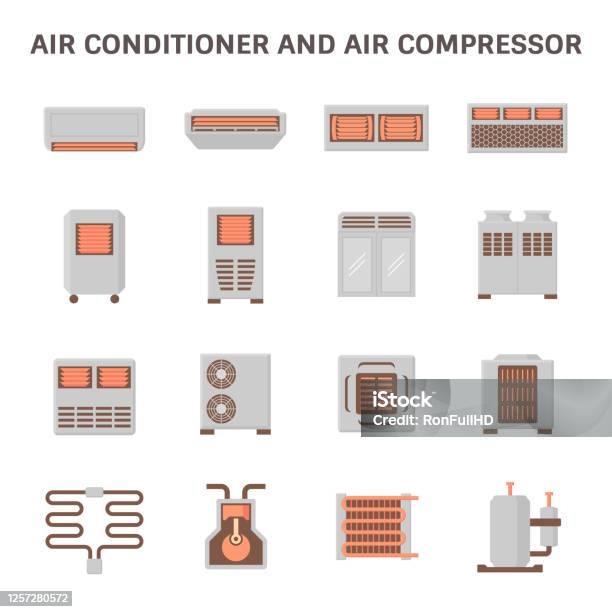
Before attempting any DIY residential AC repair, you need to understand how your system works. A typical residential air conditioning system consists of two main components: an outdoor unit (condenser) and an indoor unit (evaporator). The outdoor unit contains the compressor, condenser coil, and fan, while the indoor unit houses the evaporator coil and air handler.
The refrigeration cycle works by circulating refrigerant between these units. Warm air from your home is drawn over the cold evaporator coil, where heat is absorbed and moisture is removed. The cooled air is then distributed throughout your home via ductwork. Meanwhile, the heated refrigerant travels to the outdoor unit, where the condenser coil releases the heat to the outside air.
Understanding this basic operation helps you identify where problems might occur and determine which issues you can address safely. According to HVAC industry data, approximately 80% of air conditioning service calls are related to maintenance issues that could have been prevented with regular homeowner attention.
Safety First: When DIY Isn’t Worth the Risk
While many AC maintenance tasks are safe for homeowners, certain repairs involve serious safety risks and should always be left to licensed professionals. Electrical components carry high voltage that can cause serious injury or death. Refrigerant handling requires EPA certification, and improper handling can result in environmental damage and personal harm.
Never attempt DIY repairs involving:
- Refrigerant leaks or recharging
- Electrical wiring or high-voltage components
- Compressor replacement or major mechanical repairs
- Gas line connections (for heat pumps)
- Structural modifications to ductwork
As certified HVAC technicians at 75 Degree AC emphasize, “Safety should always be your first priority. When in doubt, it’s better to pay for a professional diagnosis than risk injury or system damage that could cost thousands to repair.”
Essential Tools and Supplies for DIY AC Maintenance
Having the right tools makes DIY residential AC repair safer and more effective. Most homeowner-friendly AC maintenance requires basic tools you likely already own, plus a few specialized items.
Basic Tool Kit:
- Screwdrivers (Phillips and flathead)
- Adjustable wrench set
- Digital multimeter for electrical testing
- Flashlight or headlamp
- Garden hose with spray nozzle
- Vacuum cleaner with attachments
- Soft-bristled brush
- Non-contact voltage tester
Supplies to Keep on Hand:
- Replacement air filters (multiple sizes)
- Coil cleaner (no-rinse foam type)
- Condensate drain tablets
- Electrical tape
- Wire nuts
- Lubricating oil (if needed for fan motors)
Simple DIY AC Repairs You Can Handle
Replacing Air Filters
The most important DIY maintenance task is regular air filter replacement. Dirty filters reduce airflow, forcing your system to work harder and potentially causing it to freeze up. The Department of Energy reports that replacing a dirty filter with a clean one can lower your air conditioner’s energy consumption by 5% to 15%.
Check your filter monthly during peak usage seasons. Most residential systems use 1-inch pleated filters that should be replaced every 30-90 days, depending on household factors like pets, occupancy, and outdoor air quality. In Houston’s dusty climate, monthly replacement is often necessary.

Step-by-step filter replacement:
- Turn off your AC system at the thermostat
- Locate the filter slot (usually in return air duct or air handler)
- Remove the old filter, noting the airflow direction arrow
- Insert the new filter with arrow pointing toward the air handler
- Ensure proper fit with no gaps around edges
- Turn system back on and test operation
Cleaning Condenser Coils
Dirty outdoor condenser coils significantly reduce efficiency and can cause system failure. Houston’s pollen, dust, and debris make regular coil cleaning essential. Clean coils can improve efficiency by up to 30%, according to ASHRAE studies.
Condenser coil cleaning process:
- Turn off power at the disconnect switch near the outdoor unit
- Remove debris from around the unit (leaves, grass, etc.)
- Remove the top grille and fan assembly if accessible
- Spray coils gently from inside out using garden hose
- Apply coil cleaner according to manufacturer instructions
- Rinse thoroughly and allow to dry completely
- Reassemble unit and restore power
Checking and Cleaning Drain Lines
Condensate drain clogs are extremely common in Houston’s humid climate. A blocked drain can cause water damage and system shutdown. This simple maintenance task can prevent costly water damage repairs.
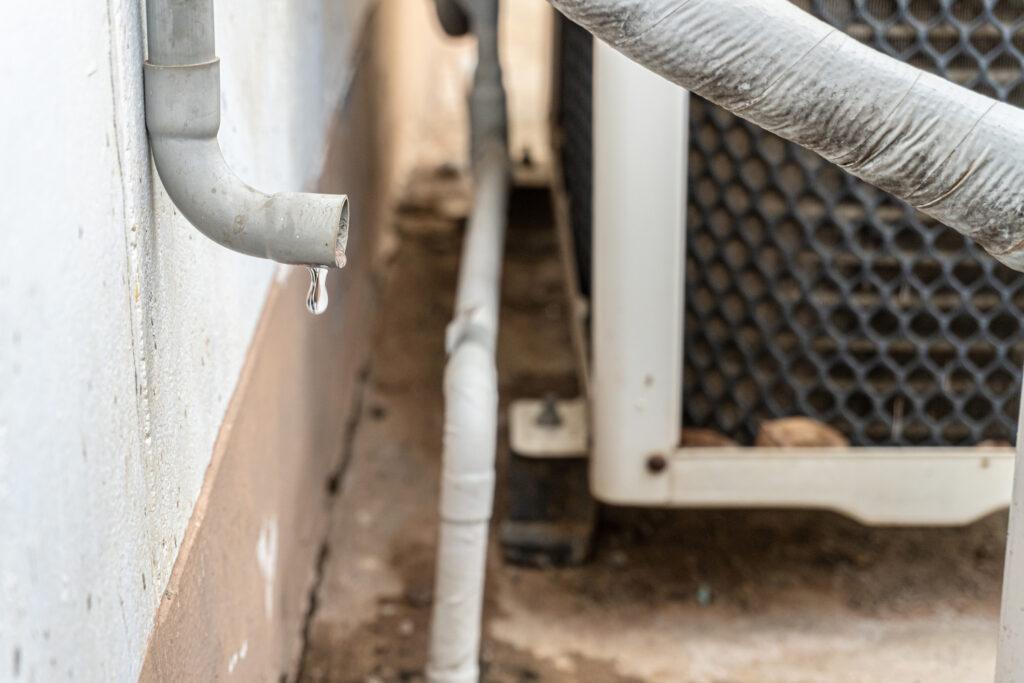
Locate the condensate drain line (usually a PVC pipe near your outdoor unit). Pour a cup of white vinegar down the drain monthly to prevent algae growth. If the drain is already clogged, use a wet/dry vacuum to clear the blockage from the outdoor end of the pipe.
Thermostat Troubleshooting
Many “AC problems” are actually thermostat issues. Before calling for professional AC repair in Houston, check these common thermostat problems:
- Dead batteries (replace annually or when low battery indicator appears)
- Incorrect settings (heat/cool mode, temperature settings)
- Dirty contacts (clean with soft brush)
- Loose wiring connections (visually inspect, tighten if safe to do so)
If your thermostat is over 10 years old, consider upgrading to a programmable or smart model. Modern thermostats can reduce energy consumption by 10-15% through better temperature control and scheduling.
Circuit Breaker and Electrical Issues
Simple electrical troubleshooting can resolve many AC problems without a service call. Always use extreme caution and never work on live electrical components.
Safe electrical checks:
- Check circuit breakers for tripped positions
- Verify disconnect switches are in “on” position
- Inspect visible wiring for damage or loose connections
- Test GFCI outlets if applicable
- Use non-contact voltage tester before touching any wires
Warning Signs That Require Professional Help
Knowing when to stop DIY efforts and call professionals can save you money and prevent dangerous situations. Contact 75 Degree AC’s certified technicians immediately if you notice:
- Unusual noises (grinding, squealing, banging)
- Burning smells or visible smoke
- Ice formation on indoor or outdoor coils
- Refrigerant leaks (oily residue, hissing sounds)
- Frequent circuit breaker trips
- Short cycling (frequent on/off operation)
- Complete system failure
- Inconsistent cooling throughout the home
According to industry statistics, attempting repairs beyond your skill level can turn a $200 repair into a $2,000 replacement. Professional technicians have specialized tools, training, and experience to diagnose problems accurately and safely.
Preventive Maintenance You Can Do Yourself
Regular DIY maintenance can extend your AC system’s life by 5-10 years and reduce energy consumption by up to 25%. Create a maintenance schedule to stay on top of these tasks:
Monthly Tasks:
- Check and replace air filters
- Clear debris from outdoor unit
- Test thermostat operation
- Check drain line for clogs
Seasonal Tasks:
- Clean condenser coils
- Inspect ductwork for damage
- Check insulation around refrigerant lines
- Lubricate motor bearings (if required)
- Inspect electrical connections
Annual Tasks:
- Schedule professional maintenance
- Replace thermostat batteries
- Inspect and clean indoor coils
- Check refrigerant levels (professional task)
Common DIY Mistakes to Avoid
Even well-intentioned homeowners can make costly mistakes during DIY residential AC repair. Avoid these common errors:
Using the wrong filter type: High-efficiency filters can restrict airflow in systems not designed for them. Consult your manual or an HVAC professional for proper filter specifications.
Over-cleaning coils: Excessive water pressure can damage delicate coil fins. Use gentle pressure and appropriate cleaning products designed for HVAC systems.
Ignoring safety protocols: Always turn off power before performing any maintenance. Use proper personal protective equipment and follow manufacturer guidelines.
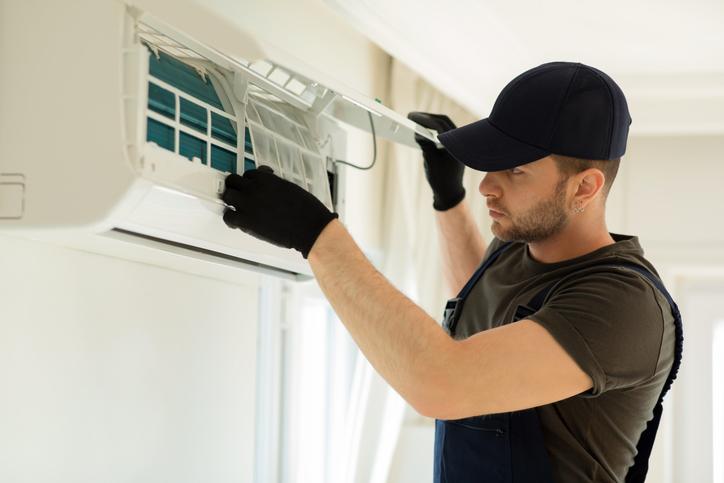
Attempting refrigerant work: Refrigerant handling requires EPA certification and specialized equipment. Improper handling is illegal and dangerous.
Forcing stuck components: If something doesn’t move easily, don’t force it. You may cause expensive damage that requires professional repair.
When to Call Professional AC Repair Services in Houston
While DIY maintenance can handle many issues, professional expertise is invaluable for complex problems. 75 Degree AC’s certified technicians bring years of experience and specialized training to every service call.
Consider professional service when:
- Your system is over 10 years old and experiencing frequent problems
- Energy bills have increased significantly without explanation
- DIY troubleshooting hasn’t resolved the issue
- You’re uncomfortable performing any maintenance task
- Warranty coverage requires professional service
Professional AC maintenance in Houston includes comprehensive system analysis, refrigerant level checks, electrical testing, and performance optimization that goes far beyond DIY capabilities. Regular professional maintenance can identify potential problems before they become costly failures.
Cost Comparison: DIY vs. Professional Service
| Service Type | DIY Cost | Professional Cost | Time Required |
|---|---|---|---|
| Air Filter Replacement | $15-30 | $75-120 | 15 minutes |
| Coil Cleaning | $20-40 | $150-300 | 2-3 hours |
| Drain Line Cleaning | $5-10 | $100-200 | 30 minutes |
| Thermostat Replacement | $50-200 | $200-500 | 1-2 hours |
| Complete System Tune-up | $50-100 | $150-300 | 4-6 hours |
Frequently Asked Questions
How often should I perform DIY AC maintenance?
Basic maintenance like filter changes should be done monthly during peak seasons. More comprehensive tasks like coil cleaning can be done seasonally. However, professional maintenance should be performed annually for optimal performance and warranty compliance.
Can DIY maintenance void my AC warranty?
Basic maintenance tasks like filter replacement won’t void warranties. However, attempting repairs beyond manufacturer recommendations or using incorrect parts can void coverage. Always consult your warranty documentation before performing any work.
What’s the most important DIY maintenance task?
Regular air filter replacement is the single most important task homeowners can perform. Clean filters ensure proper airflow, improve indoor air quality, and prevent many common AC problems.
When should I call a professional instead of attempting DIY repair?
Call a professional for any issue involving refrigerant, electrical work, or if you’re uncomfortable with any aspect of the repair. Safety should always be your priority, and professional technicians have the tools and training to work safely on complex systems.
How can I tell if my DIY repair was successful?
After completing any maintenance or repair, monitor your system for proper operation. Check that it cools effectively, listen for unusual noises, and watch for any error codes on your thermostat. If problems persist, contact a professional for diagnosis.
What tools do I really need for basic AC maintenance?
Most homeowner maintenance can be accomplished with basic tools: screwdrivers, wrenches, a garden hose, and a vacuum cleaner. More complex tasks may require specialized tools that professionals already own.
Conclusion: Balancing DIY and Professional AC Care
DIY residential AC repair can save money and help you better understand your system, but success depends on knowing your limitations. Simple maintenance tasks like filter replacement, coil cleaning, and basic troubleshooting are well within most homeowners’ capabilities and can significantly extend your system’s life while reducing energy costs.
However, complex repairs involving refrigerant, electrical systems, or major components should always be left to certified professionals. The key is recognizing when a problem exceeds your skills and calling for expert help before causing additional damage.
Regular DIY maintenance combined with annual professional service creates the optimal balance of cost savings and system reliability. By performing the tasks outlined in this guide, you can maintain your AC system effectively while building a relationship with professional technicians for more complex needs.
Remember that Houston’s extreme climate puts additional stress on AC systems, making regular maintenance even more critical. Whether you’re performing DIY maintenance or need professional assistance, the investment in proper AC care pays dividends through lower energy bills, fewer repairs, and extended equipment life.
Ready to ensure your AC system runs efficiently all summer long? For professional AC maintenance, complex repairs, or when DIY efforts aren’t enough, trust the certified technicians at 75 Degree AC. Our locally-owned Houston company provides honest, reliable service with upfront pricing and no surprises. Call us at (713) 598-2737 or visit our AC maintenance page to schedule your service today. Don’t wait until your system fails – proactive maintenance keeps you comfortable and saves money in the long run.
